The Unseen Revolution: How Smart Building Technology and Advanced Materials Are Crafting the Zero-Carbon Future
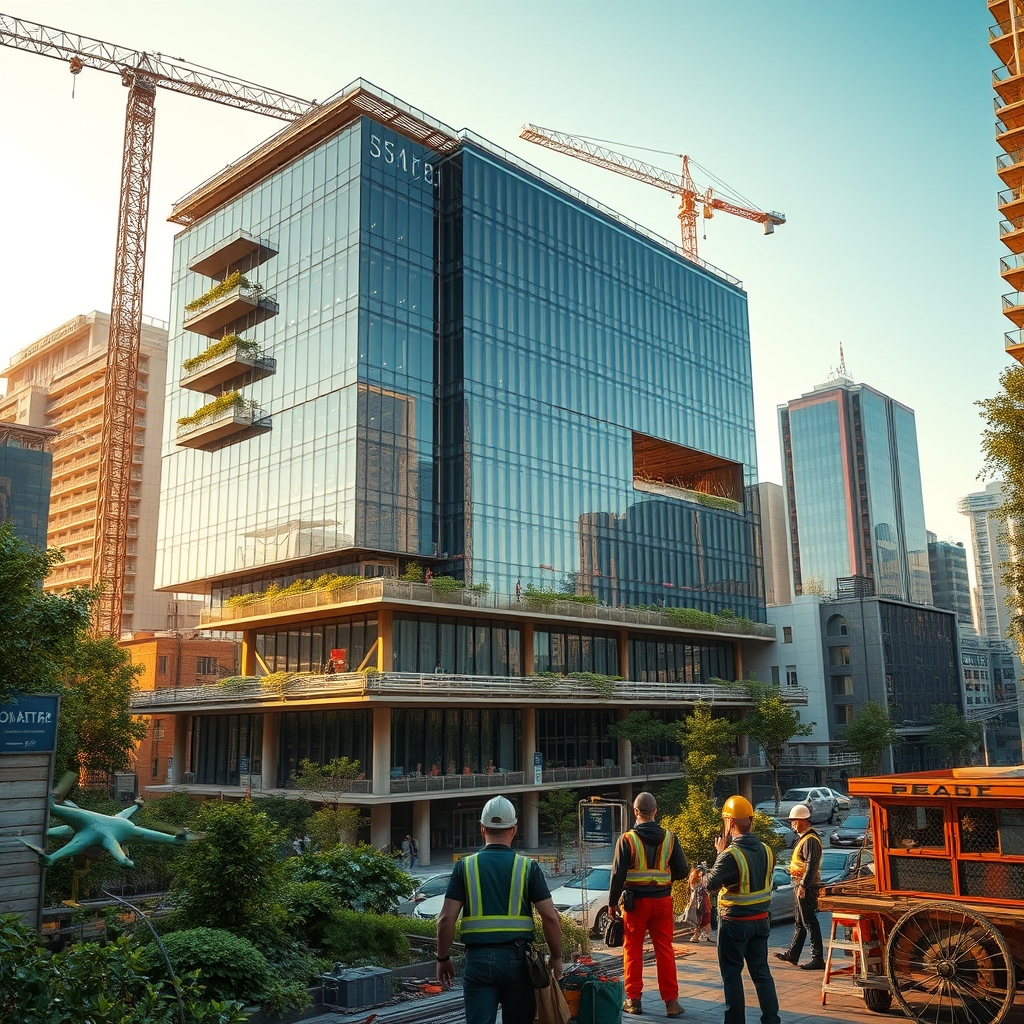
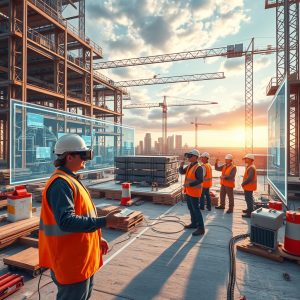
In the heart of bustling cities, where steel skeletons rise against the skyline and cranes dance in the horizon, an unseen revolution is taking place. This transformation is not marked by the thunderous roar of machinery or the clatter of construction, but by the silent integration of smart building technology and advanced materials, quietly reshaping the way we conceive, construct, and inhabit our urban spaces. The drive toward zero-carbon buildings is no longer a distant aspiration but a tangible reality, fueled by innovation and a collective urgency to redefine sustainability in the built environment.
The Digital Nervous System of Modern Construction
At the core of this revolution lies smart building technology, a digital nervous system that breathes intelligence into structures. Imagine a building that not only shelters but also senses, adapts, and optimizes its own performance. Through the integration of Internet of Things (IoT) sensors, artificial intelligence (AI), and Building Information Modeling (BIM), structures are evolving into dynamic entities capable of real-time energy management, predictive maintenance, and even occupant well-being monitoring. These technologies are not mere add-ons but foundational elements that enable buildings to operate with unprecedented efficiency.
For instance, AI-driven energy management systems can analyze weather patterns, occupancy rates, and energy consumption data to adjust heating, cooling, and lighting in real time. This level of automation reduces energy waste and slashes operational costs, making buildings not just smarter but also more economically viable. Meanwhile, BIM serves as the digital backbone, allowing architects, engineers, and contractors to collaborate seamlessly, reducing errors, and optimizing resource use from the design phase through to construction and beyond.
The Alchemy of Advanced Building Materials
While smart technology provides the brain, advanced building materials offer the brawn, enabling structures to achieve feats once thought impossible. The shift from traditional materials to innovative alternatives is redefining the boundaries of sustainable construction. Materials like self-healing concrete, which repairs its own cracks using embedded bacteria, or aerogels, which provide exceptional insulation with minimal thickness, are pushing the envelope of what buildings can achieve in terms of durability, energy efficiency, and environmental impact.
One of the most promising advancements is the rise of carbon-absorbing materials. For example, bio-concrete infused with microalgae can sequester carbon dioxide, turning buildings into active participants in the fight against climate change. Similarly, cross-laminated timber (CLT), a engineered wood product, is gaining traction as a sustainable alternative to steel and concrete, offering strength, fire resistance, and a significantly lower carbon footprint. These materials are not just eco-friendly; they are redefining the aesthetics and functionality of modern architecture, enabling designers to create structures that are as beautiful as they are sustainable.
Modular and Prefabricated Systems: The Efficiency Game-Changers
The construction industry has long been plagued by inefficiencies, from material waste to prolonged project timelines. Enter modular and prefabricated construction systems, which are turning the tide by introducing precision, speed, and sustainability into the building process. By manufacturing building components off-site in controlled environments, these systems minimize waste, reduce construction time, and enhance quality control. The result is a streamlined process that not only cuts costs but also significantly lowers the carbon footprint of construction projects.
Modular construction is particularly transformative for urban infrastructure projects, where space and time constraints demand innovative solutions. High-rise buildings, residential complexes, and even entire neighborhoods can now be assembled with the precision of a well-oiled machine, reducing disruption to surrounding communities and accelerating the delivery of much-needed housing and commercial spaces. Moreover, the flexibility of modular systems allows for easy disassembly and reuse, further extending the lifecycle of building materials and reducing waste.
Smart Glass and Energy-Efficient Design: The Invisible Guardians of Sustainability
Energy efficiency is a cornerstone of zero-carbon buildings, and smart glass is emerging as one of its most powerful allies. Unlike traditional glass, smart glass can dynamically adjust its tint in response to sunlight, reducing the need for artificial lighting and air conditioning. This technology, often powered by electrochromic or thermochromic materials, can cut energy consumption by up to 20%, making it a game-changer for both commercial and residential properties.
When combined with energy-efficient design principles, such as passive solar heating, natural ventilation, and high-performance insulation, smart glass becomes part of a holistic approach to sustainable architecture. These designs prioritize the use of natural resources, minimizing reliance on mechanical systems and creating spaces that are not only energy-efficient but also healthier and more comfortable for occupants. The result is a built environment that harmonizes with its surroundings, rather than dominating them.
The Human Element: Safety, Affordability, and Inclusivity
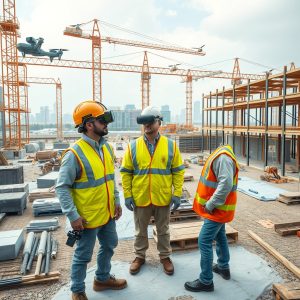
While technology and materials are driving the zero-carbon revolution, the human element remains at its heart. Construction site safety, for instance, has seen remarkable improvements thanks to smart technology. Wearable devices equipped with GPS and biometric sensors can monitor workers’ health and location in real time, reducing the risk of accidents and ensuring rapid response in emergencies. Drones and AI-powered cameras are also being used to inspect sites, identify hazards, and enforce safety protocols, making construction sites safer and more efficient.
Affordability and inclusivity are equally critical. Low-cost housing technology, such as 3D-printed homes and prefabricated modular units, is making sustainable living accessible to a broader population. These solutions not only reduce construction costs but also enable rapid deployment in underserved communities, addressing the global housing crisis while minimizing environmental impact. By democratizing access to sustainable housing, we can ensure that the benefits of the zero-carbon revolution are shared by all, not just the privileged few.
As we stand on the precipice of a new era in construction, the fusion of smart building technology and advanced materials is not just reshaping our skylines but redefining our relationship with the built environment. The zero-carbon future is no longer a distant dream but a tangible reality, unfolding one innovation at a time. The question is no longer whether we can achieve it, but how quickly we can scale these solutions to meet the urgent demands of our planet. The buildings of tomorrow are being constructed today, and they are smarter, stronger, and more sustainable than ever before, offering a glimpse into a future where architecture and nature coexist in perfect harmony.