The Next Wave of Sustainable Construction: How Advanced Building Materials and Smart Technologies Are Redefining Industrial Property Development
The construction industry stands at the precipice of a transformative era, where sustainability is no longer an optional feature but a fundamental requirement. Industrial property development, in particular, is undergoing a radical shift, driven by the integration of advanced building materials and smart technologies. These innovations are not only enhancing efficiency and reducing environmental impact but are also redefining the very essence of how industrial spaces are designed, constructed, and operated.
The Rise of Advanced Building Materials
Gone are the days when construction relied solely on traditional materials like steel, concrete, and wood. Today, the industry is embracing a new generation of advanced materials that offer superior performance, durability, and sustainability. For instance, self-healing concrete, embedded with bacteria that produce limestone to fill cracks, is extending the lifespan of structures while reducing maintenance costs. Similarly, cross-laminated timber (CLT), a engineered wood product, is gaining traction as a renewable alternative to steel and concrete, offering comparable strength with a significantly lower carbon footprint.
Another game-changer is aerogels, ultra-lightweight materials with exceptional insulating properties. When incorporated into building envelopes, aerogels drastically improve energy efficiency, making them ideal for industrial facilities where temperature control is critical. These materials are not just innovative; they are reshaping the sustainability landscape by enabling the construction of buildings that consume less energy, emit fewer greenhouse gases, and stand the test of time.
Smart Technologies: The Brain Behind Sustainable Construction
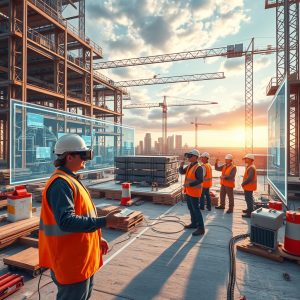
While advanced materials provide the physical foundation for sustainable industrial development, smart technologies act as the brain, optimizing every aspect of construction and operation. Building Information Modeling (BIM) has evolved from a mere design tool into a comprehensive platform that integrates data from every phase of a project—from planning to demolition. BIM enables real-time collaboration, reduces waste, and ensures that sustainability goals are met with precision.
Beyond BIM, the Internet of Things (IoT) is revolutionizing how industrial properties are managed. Sensors embedded in structures monitor everything from energy consumption to structural integrity, providing data that can be used to optimize performance. For example, smart HVAC systems adjust heating and cooling based on occupancy and external weather conditions, significantly reducing energy waste. Similarly, predictive maintenance systems use AI to anticipate equipment failures before they occur, minimizing downtime and extending the lifespan of critical infrastructure.
The Role of Prefabrication and Modular Construction
Prefabrication and modular construction are not new concepts, but their adoption in industrial property development is accelerating, thanks to advancements in technology and materials. These methods allow for components to be manufactured off-site in controlled environments, reducing waste, improving quality, and shortening construction timelines. For industrial projects, where speed and efficiency are paramount, modular construction offers a compelling solution. It also aligns with sustainability goals by minimizing on-site disruption and reducing the carbon footprint associated with transportation and material waste.
Moreover, modular construction enables greater flexibility in design, allowing industrial facilities to adapt to changing needs without extensive renovations. This adaptability is crucial in an era where industries are rapidly evolving, and buildings must keep pace with technological advancements.
Energy Efficiency: The Cornerstone of Sustainable Industrial Development
Energy efficiency is a critical consideration in industrial property development, where operational costs and environmental impact are closely linked. The integration of smart technologies and advanced materials is making it possible to achieve unprecedented levels of energy efficiency. For instance, smart glass, which adjusts its tint based on sunlight exposure, reduces the need for artificial lighting and air conditioning, cutting energy consumption by up to 30%.
Solar panels, wind turbines, and other renewable energy sources are also becoming standard features in industrial developments. These technologies not only reduce reliance on fossil fuels but also provide a hedge against rising energy costs. When combined with energy storage solutions, such as advanced batteries, industrial properties can achieve near-zero energy consumption, further enhancing their sustainability credentials.
The Future of Industrial Property Development
The convergence of advanced building materials and smart technologies is setting a new standard for industrial property development. These innovations are not just improving the bottom line; they are creating buildings that are smarter, more resilient, and more sustainable. As the industry continues to evolve, the focus will shift from merely constructing buildings to creating ecosystems that support the long-term health of both the environment and the economy.
For developers, architects, and contractors, the message is clear: the future of industrial property development lies in embracing these technologies and materials. Those who do will not only lead the way in sustainability but will also unlock new opportunities for growth and innovation. The buildings of tomorrow are being designed today, and they are smarter, greener, and more efficient than ever before. The question is no longer whether to adopt these innovations, but how quickly they can be integrated into the next project.
Construction Site Safety in the Age of Smart Technology
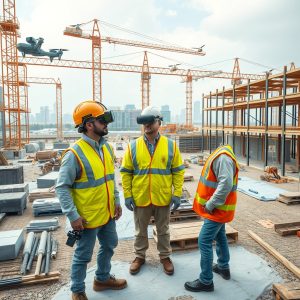
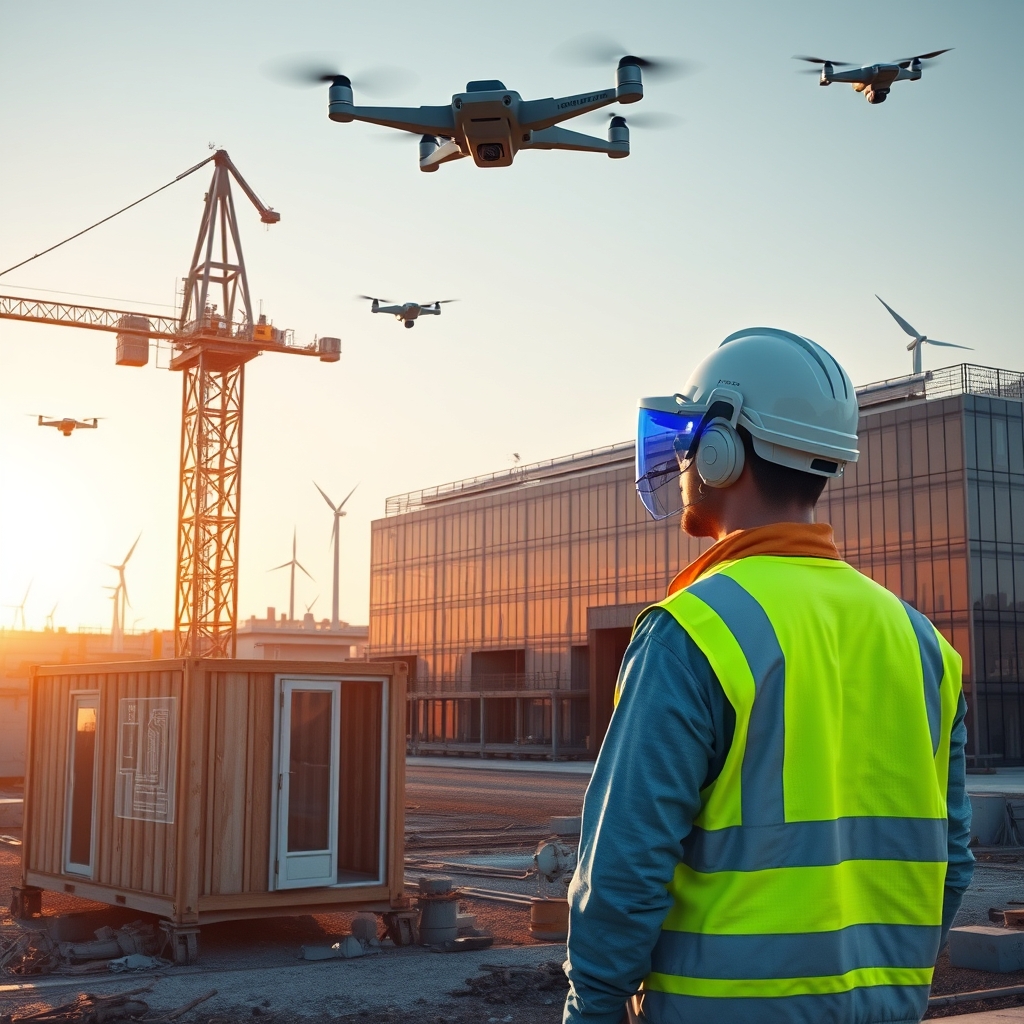
As industrial property development becomes more complex, so too does the need for robust construction site safety measures. Smart technologies are playing a pivotal role in enhancing safety, from wearable devices that monitor workers’ vital signs to drones that inspect hard-to-reach areas. These tools not only reduce the risk of accidents but also improve overall productivity by identifying potential hazards before they become critical issues.
For example, augmented reality (AR) is being used to train workers in safe practices, while AI-powered cameras monitor sites in real-time, alerting supervisors to unsafe behaviors or conditions. These technologies are transforming construction site safety from a reactive process to a proactive one, where risks are mitigated before they result in injuries or delays. In an industry where safety is paramount, the adoption of smart technologies is not just a competitive advantage—it is a necessity.
The journey toward sustainable industrial property development is well underway, and the tools to achieve it are already at our disposal. The challenge now lies in scaling these innovations, ensuring they are accessible to projects of all sizes, and embedding sustainability into the DNA of every industrial development. The buildings we construct today will shape the world of tomorrow, and with the right approach, they can be a force for good—driving economic growth, protecting the environment, and creating spaces that inspire innovation for generations to come.