Precision Engineering Meets Human-Centric Design: The Future of Collaborative and Sustainable Construction
In an era where urbanization is accelerating at an unprecedented pace, the construction industry stands at a crossroads. The demand for faster, more efficient, and sustainable building methods has never been higher, yet the challenges of resource scarcity, environmental impact, and the need for human-centric design persist. Enter the fusion of precision engineering methods and collaborative building design—a paradigm shift that is redefining how we conceive, plan, and execute construction projects. This approach doesn’t just prioritize structural integrity and efficiency; it places people—both the builders and the end-users—at the heart of the process.
The Marriage of Precision and Collaboration
Precision engineering in construction is not a new concept. For decades, engineers have relied on advanced technologies like Building Information Modeling (BIM), laser scanning, and automated machinery to enhance accuracy and reduce waste. However, the integration of these methods with collaborative design principles is what truly unlocks their potential. When architects, engineers, contractors, and clients work in unison from the earliest stages of a project, the result is a seamless workflow that minimizes errors, reduces rework, and ensures that every stakeholder’s vision is aligned.
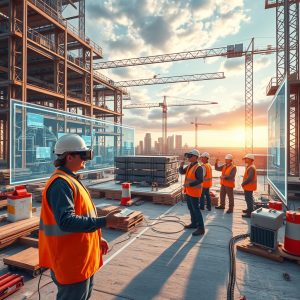
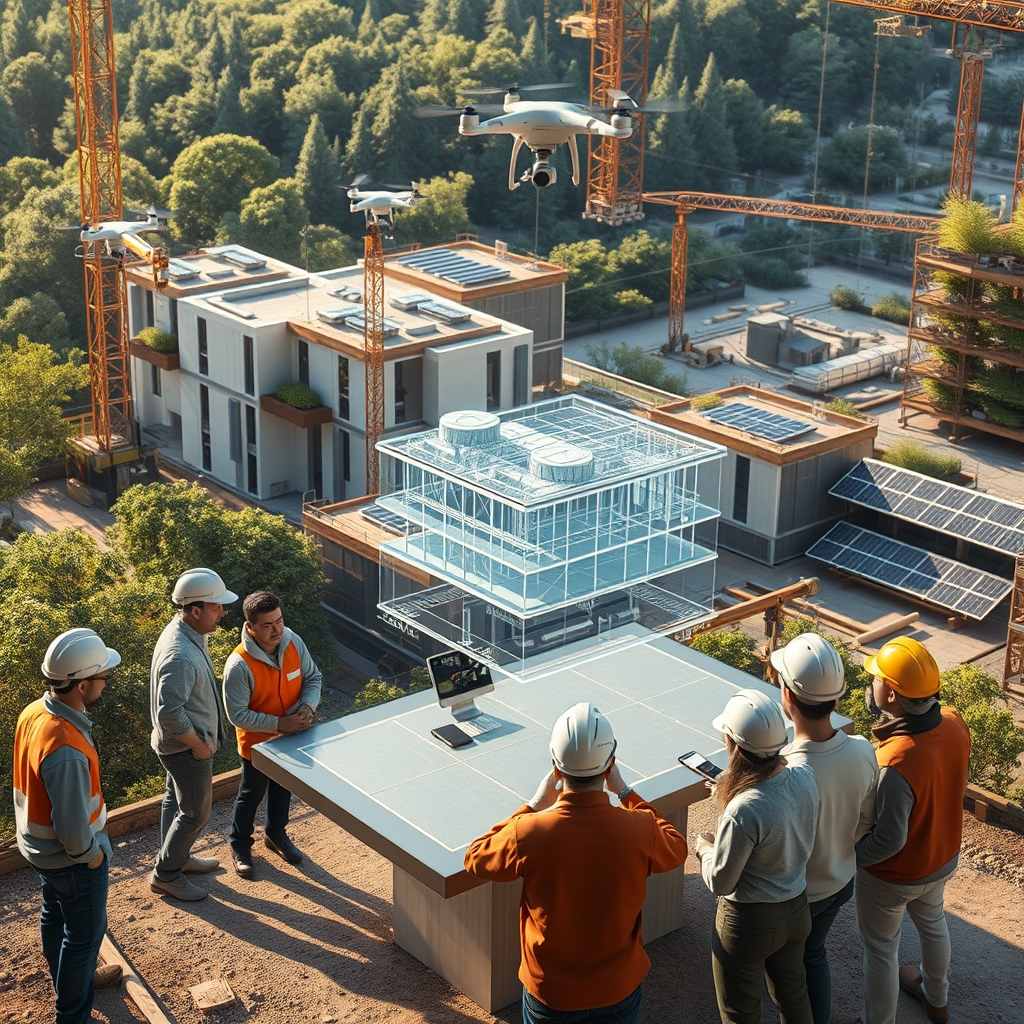
This collaborative approach is particularly transformative in large-scale urban projects, where the complexity of coordination can often lead to delays and cost overruns. By leveraging digital twin site management—a virtual replica of the physical construction site—teams can simulate and optimize every phase of the project before a single brick is laid. This not only enhances efficiency but also fosters a culture of transparency and accountability, where real-time project updates are accessible to all parties involved.
Human-Centric Structural Design: Beyond Aesthetics
While precision engineering ensures that buildings are structurally sound and resource-efficient, human-centric design ensures they are also livable, adaptable, and inclusive. This philosophy goes beyond mere aesthetics; it considers the psychological and emotional well-being of the people who will inhabit or interact with the space. For instance, natural lighting, ventilation, and open layouts are no longer optional luxuries but essential components of modern design. These elements not only reduce energy consumption but also enhance the quality of life for occupants.
Moreover, human-centric design extends to the construction process itself. Lean construction practices, which emphasize minimizing waste and maximizing value, are increasingly being adopted to create safer and more efficient work environments. By involving construction workers in the planning and decision-making processes, projects can benefit from their on-the-ground expertise, leading to innovative solutions that might otherwise be overlooked.
Eco-Friendly Material Selection: The Backbone of Sustainability
No discussion of modern construction methods would be complete without addressing the critical role of eco-friendly material selection. The choice of materials can make or break a project’s sustainability credentials, influencing everything from carbon footprint to long-term durability. Innovations in this space are rapidly evolving, with materials like cross-laminated timber (CLT), recycled steel, and low-carbon concrete gaining traction. These materials not only reduce the environmental impact of construction but also offer superior performance in terms of strength, insulation, and longevity.
Modular building techniques further amplify the benefits of sustainable materials. By prefabricating components in controlled factory environments, construction sites can minimize waste, reduce energy consumption, and accelerate project timelines. This method also allows for greater precision in material usage, ensuring that resources are allocated efficiently and sustainably.
Smart Site Monitoring: The Eyes and Ears of Modern Construction
Technology is the linchpin that ties together precision engineering, collaborative design, and sustainable practices. Smart site monitoring systems, powered by IoT (Internet of Things) devices and AI-driven analytics, provide real-time data on everything from material usage to worker safety. These systems enable project managers to identify potential issues before they escalate, ensuring that projects stay on track and within budget.
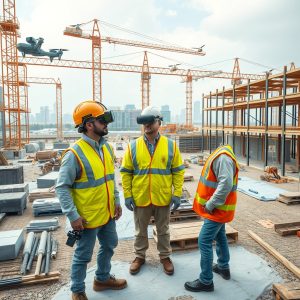
For example, drones equipped with high-resolution cameras can conduct aerial surveys of construction sites, providing detailed insights into progress and potential hazards. Meanwhile, wearable technology can monitor the health and safety of workers, alerting supervisors to fatigue or unsafe conditions. This level of oversight not only enhances efficiency but also fosters a culture of safety and accountability.
The Path Forward: Adaptive and Experiential Construction
As the construction industry continues to evolve, the focus is shifting toward adaptive construction solutions that can respond to changing needs and conditions. Experiential construction workflows, which prioritize the end-user experience, are becoming increasingly important. This means designing buildings that are not only functional but also flexible, capable of adapting to the evolving needs of their occupants over time.
For instance, office spaces are being reimagined to accommodate hybrid work models, with modular layouts that can be easily reconfigured. Similarly, residential buildings are being designed with adaptable floor plans that can evolve as families grow or lifestyles change. This forward-thinking approach ensures that buildings remain relevant and valuable long after their initial construction.
The future of construction lies in the seamless integration of technology, sustainability, and human-centric design. By embracing precision engineering methods, fostering collaborative building design, and prioritizing eco-friendly material selection, the industry can overcome its most pressing challenges. These innovations are not just about building structures; they are about creating spaces that enhance the lives of those who use them, while also safeguarding the planet for future generations. The tools and techniques are already here—what’s needed now is the collective will to implement them at scale, transforming the way we build and live for decades to come.