Harnessing the Power of Smart Building Technology for Safer and More Efficient Construction Sites
The construction industry is undergoing a transformative shift, driven by the integration of smart building technology. As urban landscapes expand and infrastructure demands grow, the need for safer, more efficient, and sustainable construction methods has never been more critical. Smart building technology is not just a buzzword; it is a game-changer that is redefining how projects are planned, executed, and maintained, particularly in high-risk environments like construction sites.
The Role of Smart Technology in Modern Construction
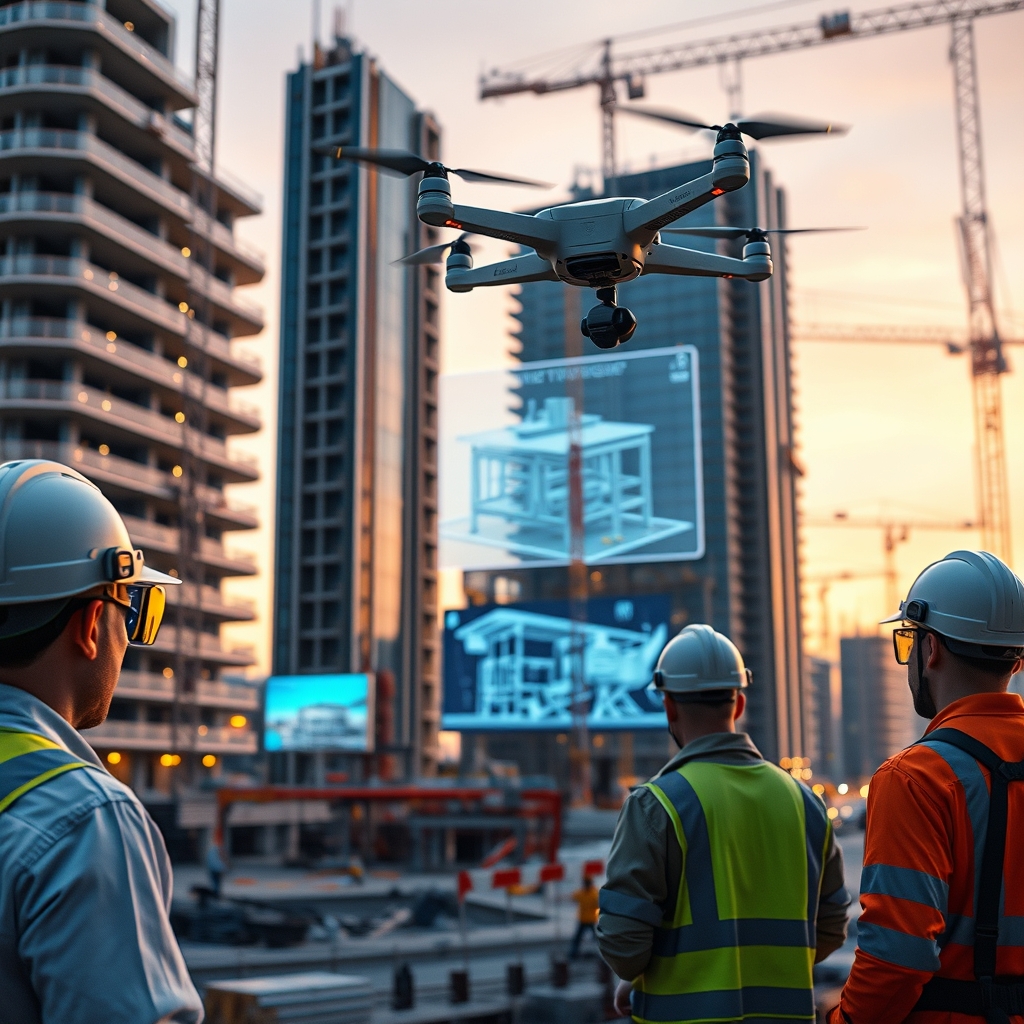
Smart building technology encompasses a wide range of innovations, from IoT (Internet of Things) devices and AI-driven analytics to advanced robotics and real-time monitoring systems. These technologies are designed to enhance productivity, reduce waste, and improve safety on construction sites. For instance, wearable devices equipped with sensors can monitor workers’ vital signs, alerting supervisors to potential health risks such as fatigue or heat stress. Similarly, drones equipped with high-resolution cameras and LiDAR technology can conduct site surveys with unprecedented accuracy, reducing the need for manual inspections in hazardous areas.
Building Information Modeling (BIM) is another cornerstone of smart construction. BIM allows for the creation of digital twins—virtual replicas of physical structures—that enable architects, engineers, and contractors to collaborate more effectively. By simulating construction processes before they begin, BIM helps identify potential issues, optimize resource allocation, and minimize delays. This level of precision is particularly valuable in complex projects like high-rise construction or urban infrastructure development, where even minor errors can have significant consequences.
Enhancing Construction Site Safety with Smart Solutions
Safety is a paramount concern in the construction industry, where accidents can lead to severe injuries, project delays, and increased costs. Smart building technology is playing a pivotal role in mitigating these risks. For example, AI-powered video analytics can monitor construction sites in real-time, detecting unsafe behaviors such as workers not wearing protective gear or operating machinery without proper authorization. These systems can send instant alerts to supervisors, allowing for immediate corrective action.
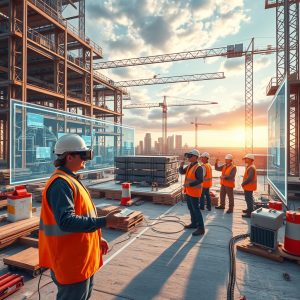
Another innovative application is the use of augmented reality (AR) for safety training. AR can simulate hazardous scenarios, such as working at heights or handling heavy machinery, providing workers with hands-on experience in a controlled environment. This immersive training approach not only improves safety awareness but also boosts confidence and competence among workers. Additionally, smart helmets equipped with AR displays can overlay critical information, such as safety protocols or equipment manuals, directly onto a worker’s field of vision, reducing the likelihood of errors.
The Impact of IoT and Real-Time Monitoring
The Internet of Things (IoT) is revolutionizing construction site safety by enabling real-time monitoring of equipment, materials, and environmental conditions. IoT sensors can track the location and status of machinery, ensuring that it is operated safely and efficiently. For instance, sensors can detect if a crane is overloaded or if a piece of equipment is malfunctioning, triggering automatic shutdowns to prevent accidents. Similarly, environmental sensors can monitor air quality, temperature, and humidity, alerting workers to potential hazards like toxic fumes or extreme heat.
Real-time monitoring also extends to structural health. Sensors embedded in buildings can detect vibrations, stress, or deformation, providing early warnings of potential structural failures. This is particularly valuable in high-rise construction, where the integrity of the structure is critical. By continuously monitoring the building’s condition, contractors can address issues before they escalate, ensuring the safety of both workers and future occupants.
Sustainability and Efficiency: The Dual Benefits of Smart Technology
While safety is a primary focus, smart building technology also offers significant benefits in terms of sustainability and efficiency. For example, IoT-enabled energy management systems can optimize the use of electricity, water, and other resources on construction sites, reducing waste and lowering operational costs. Smart lighting systems can adjust brightness based on natural light levels, while automated HVAC systems can regulate temperature and ventilation to minimize energy consumption.
Modular construction and prefabricated home systems are also gaining traction as sustainable alternatives to traditional building methods. These approaches allow for components to be manufactured off-site in controlled environments, reducing material waste and improving quality control. Smart technology plays a crucial role in these methods by enabling precise measurements, automated assembly, and real-time quality checks. The result is faster construction times, lower costs, and a smaller environmental footprint.
The Future of Smart Construction Sites
As smart building technology continues to evolve, its applications in construction will only expand. Emerging trends such as 5G connectivity, edge computing, and AI-driven predictive analytics are set to further enhance the capabilities of smart construction sites. For instance, 5G networks will enable faster and more reliable communication between devices, while edge computing will allow for real-time data processing at the source, reducing latency and improving decision-making.
AI-driven predictive analytics can also help contractors anticipate potential issues before they arise. By analyzing historical data and current site conditions, AI can identify patterns and predict risks, such as equipment failures or project delays. This proactive approach enables contractors to take preventive measures, ensuring that projects stay on track and within budget.
The integration of smart building technology into construction sites is not just a trend; it is a necessity for the future of the industry. By embracing these innovations, contractors can create safer, more efficient, and sustainable work environments that benefit workers, clients, and the planet alike. As the construction industry continues to evolve, those who leverage smart technology will be best positioned to lead the way in building the cities of tomorrow, where safety, efficiency, and sustainability go hand in hand.