The Future of Urban Living: How Energy-Efficient Design and Advanced Building Materials Are Shaping Sustainable Cities
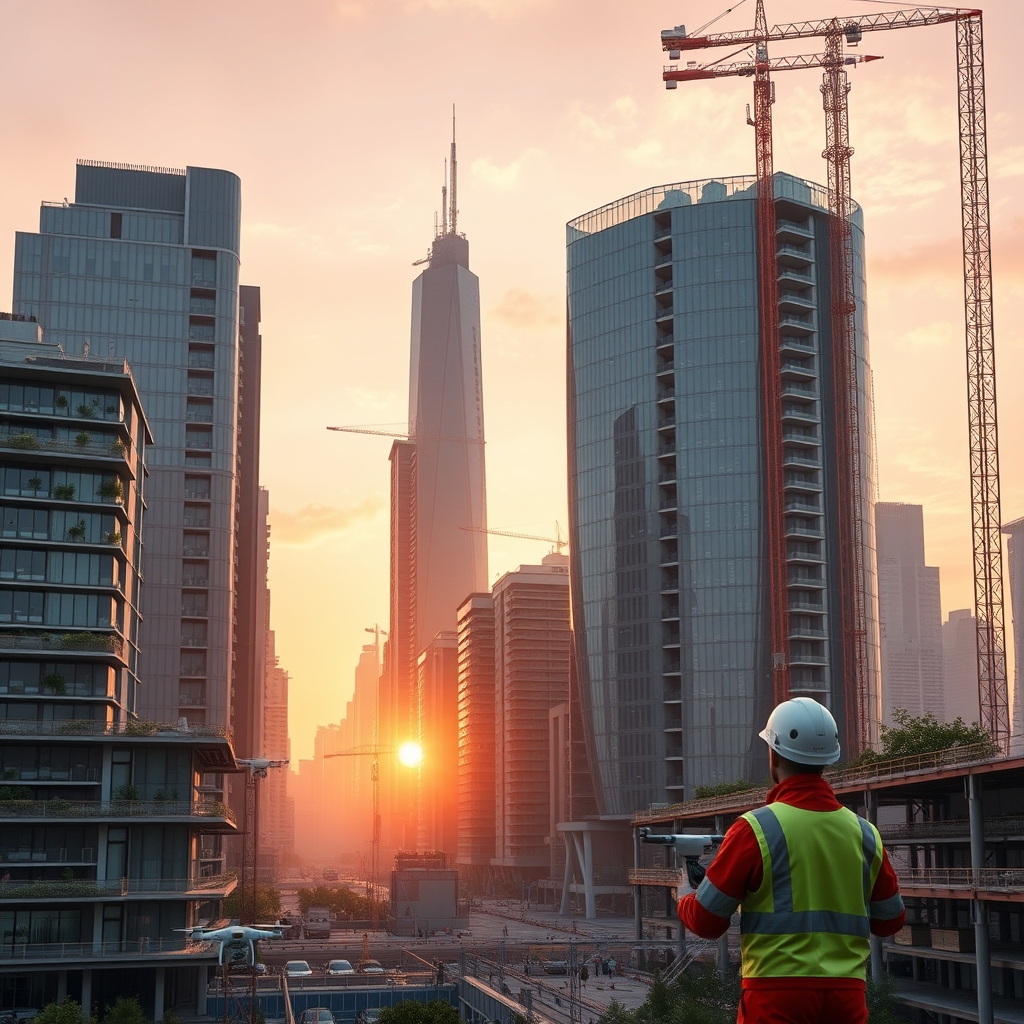
As cities expand and populations grow, the demand for sustainable, efficient, and resilient urban infrastructure has never been more critical. The construction industry is at the forefront of this transformation, embracing innovative technologies and materials to create buildings that are not only structurally sound but also environmentally responsible. From energy-efficient designs to advanced building materials, the future of urban living is being redefined by a commitment to sustainability and smart innovation.
The Role of Energy-Efficient Design in Modern Construction
Energy-efficient design is no longer a luxury—it’s a necessity. With buildings accounting for nearly 40% of global energy consumption, architects and engineers are prioritizing designs that minimize energy use while maximizing comfort and functionality. Passive design strategies, such as optimizing natural light, improving insulation, and incorporating thermal mass, are becoming standard practices in both residential and commercial property construction. These approaches reduce reliance on artificial heating and cooling, significantly lowering a building’s carbon footprint.
Beyond passive strategies, active systems like solar panels, geothermal heating, and smart HVAC systems are being integrated into modern structures. These technologies not only enhance energy efficiency but also contribute to long-term cost savings for property owners. The shift toward net-zero energy buildings—structures that produce as much energy as they consume—is gaining momentum, driven by both regulatory pressures and growing environmental awareness.
Advanced Building Materials: The Backbone of Sustainable Construction
The materials used in construction play a pivotal role in determining a building’s sustainability. Traditional materials like concrete and steel, while durable, have significant environmental drawbacks due to their high carbon emissions during production. In response, the industry is turning to advanced building materials that offer superior performance with a lower ecological impact.
One such innovation is the development of low-carbon concrete, which replaces a portion of traditional cement with supplementary materials like fly ash or slag. This not only reduces carbon emissions but also enhances the material’s durability. Similarly, engineered timber, such as cross-laminated timber (CLT), is gaining popularity for its strength, sustainability, and ability to sequester carbon. These materials are not only eco-friendly but also cost-effective, making them ideal for large-scale urban infrastructure projects.
Smart Building Technology: Enhancing Efficiency and Comfort
Smart building technology is revolutionizing the way we interact with our built environment. By integrating sensors, IoT devices, and automation systems, buildings can now adapt to the needs of their occupants in real time. For example, smart thermostats adjust temperatures based on occupancy, while automated lighting systems reduce energy waste by dimming or turning off lights in unoccupied spaces. These technologies not only improve energy efficiency but also enhance the overall user experience, making buildings more responsive and intuitive.
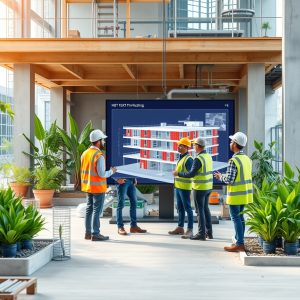
Building Information Modeling (BIM) is another game-changer in the construction industry. BIM allows architects, engineers, and contractors to collaborate more effectively by creating digital representations of a building’s physical and functional characteristics. This technology streamlines the construction process, reduces errors, and ensures that projects are completed on time and within budget. When combined with smart building systems, BIM enables the creation of structures that are not only efficient but also adaptable to future needs.
Modular and Prefabricated Construction: Speed and Sustainability
Modular and prefabricated construction methods are transforming the way buildings are designed and assembled. By manufacturing building components off-site in controlled environments, these methods reduce construction time, minimize waste, and improve quality control. Prefabricated home systems, for example, allow for faster assembly on-site, making them an ideal solution for low-cost housing technology and rapid urban development.
Modular construction also aligns with the principles of sustainable construction. Since components are produced in factories, there is less material waste compared to traditional construction methods. Additionally, modular buildings can be easily disassembled and relocated, reducing the need for new materials and minimizing environmental impact. This flexibility makes modular construction an attractive option for both residential and commercial property construction.
Construction Site Safety and the Path Forward
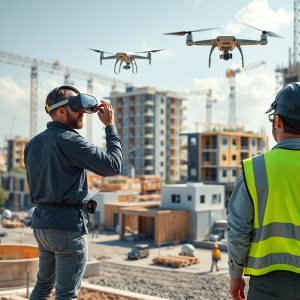
While innovation drives progress, safety remains a cornerstone of the construction industry. Advanced materials and smart technologies are not only improving building performance but also enhancing construction site safety. Wearable devices, drones, and AI-powered monitoring systems are being used to identify potential hazards, track worker movements, and ensure compliance with safety protocols. These tools help prevent accidents and create a safer working environment for construction teams.
The integration of sustainable construction methods, energy-efficient design, and smart building technology is paving the way for a new era of urban development. As cities continue to grow, the need for buildings that are both environmentally responsible and technologically advanced will only become more pressing. By embracing these innovations, the construction industry can lead the charge toward a more sustainable and resilient future, where urban living is not only efficient but also harmonious with the planet. The buildings of tomorrow are being designed today, and their impact will shape the way we live for generations to come.