Crafting the Future: How Human-Centric Design and Lean Practices Are Redefining Sustainable Construction
In the ever-evolving landscape of construction, the fusion of human-centric design and lean practices is emerging as a beacon of innovation, sustainability, and efficiency. This powerful combination is not only reshaping the way we build but also redefining the very essence of sustainable construction.
Human-Centric Design: The Heart of Sustainable Construction
Human-centric design is more than just a trend; it’s a philosophy that places the needs, comfort, and well-being of the end-users at the forefront of the design process. This approach considers factors such as ergonomics, accessibility, and the overall user experience, ensuring that the built environment is not only functional but also enjoyable and sustainable.
Ergonomics and Accessibility
By integrating ergonomics into the design, we can create spaces that promote health and productivity. This includes optimizing the layout for natural light, ventilation, and movement, thereby reducing the need for artificial heating and cooling. Accessibility features, such as ramps, elevators, and sensory-friendly spaces, ensure that the building is inclusive and welcoming to all.
User Experience and Comfort
The focus on user experience extends to the materials used, the quality of finishes, and the overall aesthetic appeal. By choosing eco-friendly materials and sustainable practices, we can create buildings that are not only beautiful but also environmentally responsible. This holistic approach to design ensures that the end product is a harmonious blend of form and function, aesthetics and sustainability.
Lean Practices: The Backbone of Efficient Construction
Lean practices, rooted in the principles of waste elimination and continuous improvement, are revolutionizing the construction industry. By streamlining processes, reducing waste, and optimizing resource allocation, lean practices pave the way for more efficient and sustainable construction.
Waste Elimination and Continuous Improvement
Lean construction aims to eliminate waste in all its forms, from materials and time to labor and information. By identifying and eliminating these inefficiencies, construction projects can be completed more quickly and cost-effectively. Continuous improvement, a core principle of lean construction, encourages teams to regularly review and refine their processes, ensuring that they are always operating at their most efficient.
Resource Optimization and Sustainable Materials
Lean practices also emphasize the efficient use of resources, from materials to labor and equipment. By carefully planning and managing these resources, construction teams can minimize waste and maximize efficiency. Additionally, the use of sustainable materials and practices, such as recycled content and low-emission finishes, aligns with the principles of lean construction and contributes to the overall sustainability of the project.
The Synergy of Human-Centric Design and Lean Practices
The true power of human-centric design and lean practices lies in their synergy. By combining these two approaches, we can create buildings that are not only sustainable and efficient but also truly responsive to the needs of their users.
Collaborative Design and Real-Time Transparency
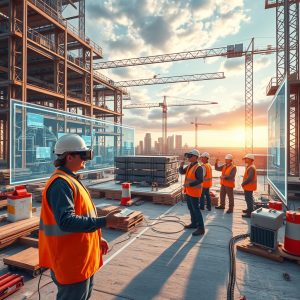
Collaborative design, facilitated by digital tools and technologies, enables stakeholders to work together seamlessly, regardless of their location. This collaborative approach fosters a shared understanding of the project’s goals and requirements, ensuring that the final design is a true reflection of the needs and aspirations of all parties involved. Real-time transparency, achieved through the use of digital twins and smart site monitoring, provides stakeholders with a clear and accurate view of the project’s progress, enabling them to make informed decisions and address any issues promptly.
Experiential Construction Workflows and Smart Site Monitoring
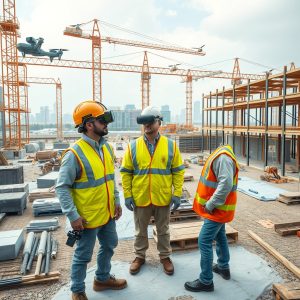
Experiential construction workflows, which prioritize the learning and development of the workforce, contribute to the overall efficiency and quality of the project. By providing opportunities for hands-on learning and skill development, these workflows ensure that the construction team is well-equipped to tackle the challenges of the project. Smart site monitoring, which utilizes sensors and IoT devices to track and analyze various aspects of the construction process, enables teams to identify and address potential issues in real-time, minimizing disruptions and ensuring the project stays on track.
The fusion of human-centric design and lean practices is not just a passing trend; it’s the future of sustainable construction. By placing the needs of the end-users at the heart of the design process and adopting lean practices to streamline and optimize the construction process, we can create buildings that are not only sustainable and efficient but also truly responsive to the needs of their users. As we continue to embrace and refine these approaches, we can look forward to a future where construction is not only about building structures but also about creating spaces that enhance the lives of those who inhabit them.