Crafting the Future: How Immersive Tech and Lean Practices Are Redefining Sustainable Construction
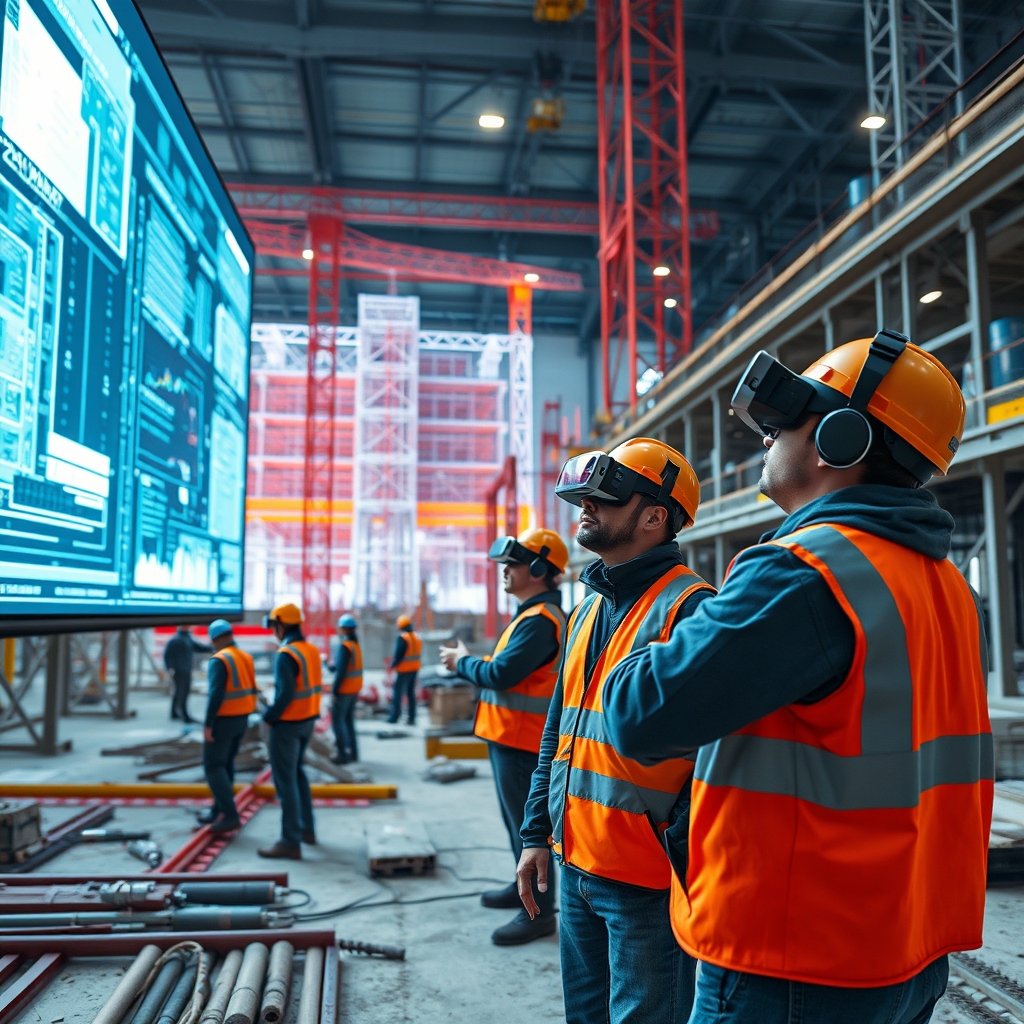
In the realm of construction, a silent revolution is underway, driven by the convergence of immersive technologies and lean practices. This synergy is not merely reshaping the industry; it’s redefining the very essence of sustainable and human-centric construction. The future of building is not just about bricks and mortar; it’s about creating spaces that are sustainable, efficient, and deeply connected to the human experience.
Immersive Construction Planning
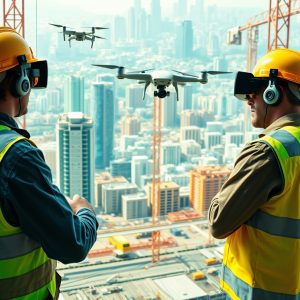
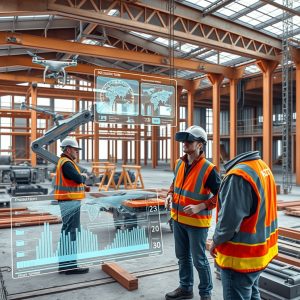
At the heart of this revolution lies immersive construction planning. Technologies like virtual reality (VR) and augmented reality (AR) are transforming the way we visualize and execute construction projects. With VR, project teams can step into a digital twin of the construction site, allowing them to walk through the proposed structure, identify potential issues, and make informed decisions before a single brick is laid. AR, on the other hand, overlays digital information onto the physical world, enabling real-time data visualization and enhancing the accuracy of construction processes.
These technologies are not just about aesthetics; they are about precision. They allow for the simulation of complex construction scenarios, helping to mitigate risks and optimize resource allocation. For instance, VR can simulate the flow of materials and labor, identifying bottlenecks and inefficiencies before they become costly problems on the ground.
Digital Twin Site Management
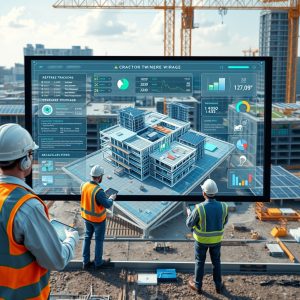
Complementing immersive planning is the concept of digital twin site management. A digital twin is a virtual replica of a physical asset or space, synchronized with real-time data. In construction, this means having a virtual model of the site that mirrors its physical counterpart, complete with data on progress, resources, and environmental conditions.
This digital twin serves as a central hub for project management, providing stakeholders with real-time insights into the project’s status. It allows for predictive analytics, helping to anticipate potential issues and devise solutions proactively. Moreover, it facilitates seamless communication and collaboration among project teams, ensuring that everyone is on the same page and working towards the same goals.
Lean Construction Practices
While immersive technologies are revolutionizing the way we plan and manage construction projects, lean construction practices are reshaping the way we execute them. Lean construction is a methodology that focuses on maximizing value while minimizing waste. It emphasizes the importance of collaboration, continuous improvement, and waste elimination.
Lean practices, such as last planner system (LPS) and value stream mapping (VSM), are being integrated into construction workflows to enhance efficiency and quality. LPS, for example, involves a series of meetings where project teams identify and address potential issues before they become problems. VSM, on the other hand, helps to visualize the flow of value and identify areas for improvement.
Collaborative Building Design
Collaborative building design is another key aspect of this revolution. It involves bringing together architects, engineers, contractors, and other stakeholders in a collaborative environment to design and build structures that meet the needs of all parties involved.
This collaborative approach fosters innovation and creativity, leading to the creation of buildings that are not only functional but also aesthetically pleasing. It also promotes a sense of ownership and accountability among stakeholders, ensuring that everyone is invested in the success of the project.
Experiential Construction Workflow
The experiential construction workflow is a holistic approach that integrates immersive technologies, lean practices, and collaborative design to create a seamless and efficient construction process. It emphasizes the importance of the human experience, ensuring that the construction process is not only productive but also enjoyable and fulfilling for all involved.
This approach involves the use of VR and AR to create immersive and engaging construction experiences. For example, VR can be used to simulate the construction process, allowing workers to gain a better understanding of their tasks and the overall project. AR, on the other hand, can be used to provide real-time feedback and guidance, enhancing the accuracy and quality of the work.
Lean practices are integrated into this workflow to ensure that the construction process is efficient and waste-free. Collaborative design is also a key component, ensuring that the final product meets the needs and expectations of all stakeholders.
This holistic approach is not just about building structures; it’s about creating spaces that enhance the human experience. It’s about creating buildings that are sustainable, efficient, and deeply connected to the people who use them. It’s about crafting the future, one immersive and lean construction project at a time.