The Concrete Tides: How Smart Marine Cities Are Redefining Coastal Resilience
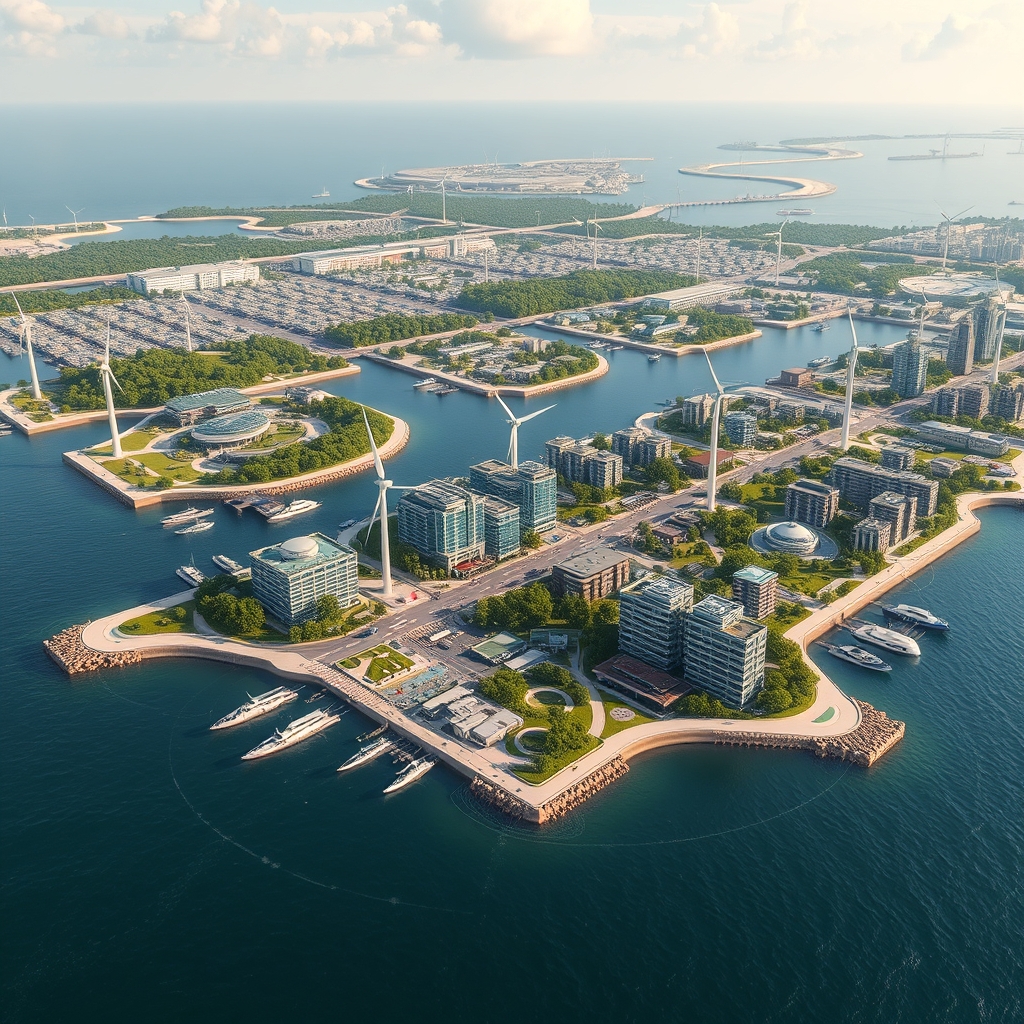
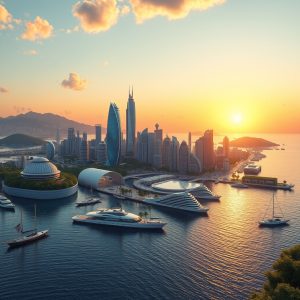
The rise of smart marine cities represents a paradigm shift in our approach to coastal resilience. These urban developments, often constructed on man-made islands or reclaimed land, are not merely about physical expansion but about creating ecosystems that can adapt to the ever-changing tides of climate change.
Understanding Smart Marine Cities
Smart marine cities are urban areas that integrate advanced technologies to manage resources and infrastructure efficiently. They are designed to be sustainable, resilient, and adaptable, leveraging data and technology to anticipate and respond to environmental changes.
The Role of Artificial Archipelagos
Artificial archipelagos, or man-made islands, play a crucial role in the construction of smart marine cities. These islands are not just about creating new land but about creating new ecosystems. They are designed to support biodiversity, enhance coastal protection, and provide sustainable urban spaces.
Waterfront Urbanism and Coastal Resilience
Waterfront urbanism is the practice of designing and developing urban areas along coastlines. It involves creating spaces that are not only functional but also aesthetically pleasing and environmentally sustainable. Coastal resilience, on the other hand, is about ensuring that these urban areas can withstand and recover from the impacts of climate change, such as sea-level rise, storms, and flooding.
Marine Infrastructure and Urban Expansion
Marine infrastructure, including breakwaters, seawalls, and artificial reefs, is essential for urban expansion in coastal areas. These structures help to protect the coastline from erosion and storms, providing a stable foundation for urban development. However, their construction and maintenance come with significant environmental and economic costs.
Sustainable Land Reclamation
Sustainable land reclamation is a key component of smart marine cities. It involves the use of eco-friendly materials and techniques to create new land that is not only functional but also environmentally sustainable. This includes the use of dredged marine sediment, recycled materials, and natural vegetation to stabilize the land and support local ecosystems.
Deep Sea Foundations and Sea Level Adaptation
Deep sea foundations are structures built on the seabed to support marine infrastructure. They are designed to withstand the pressures of the deep ocean and provide a stable base for offshore wind farms, oil rigs, and other marine structures. Sea level adaptation involves the use of flexible and adaptive designs that can accommodate changes in sea level and coastal conditions.
Submerged Land Rights and Maritime Urban Planning
Submerged land rights are legal issues that arise from the construction of man-made islands and other marine infrastructure. These rights can be complex and contentious, involving issues of sovereignty, resource extraction, and environmental protection. Maritime urban planning involves the coordination of various stakeholders to ensure that urban development is carried out in a sustainable and equitable manner.
The Blue Economy Infrastructure
The blue economy infrastructure refers to the economic activities related to the sustainable use of ocean resources. This includes fishing, shipping, tourism, and renewable energy. Smart marine cities can leverage these activities to create new economic opportunities while also protecting the marine environment.
The future of smart marine cities lies in their ability to balance urban development with environmental sustainability. By integrating advanced technologies and sustainable practices, these cities can create resilient and adaptable urban spaces that can withstand the challenges of climate change. However, it is crucial to approach this development with a deep understanding of the ecological and social impacts, ensuring that the benefits are shared equitably among all stakeholders.