The Green Skyline: How Energy-Efficient Design and Smart Building Technology Are Crafting the Cities of Tomorrow
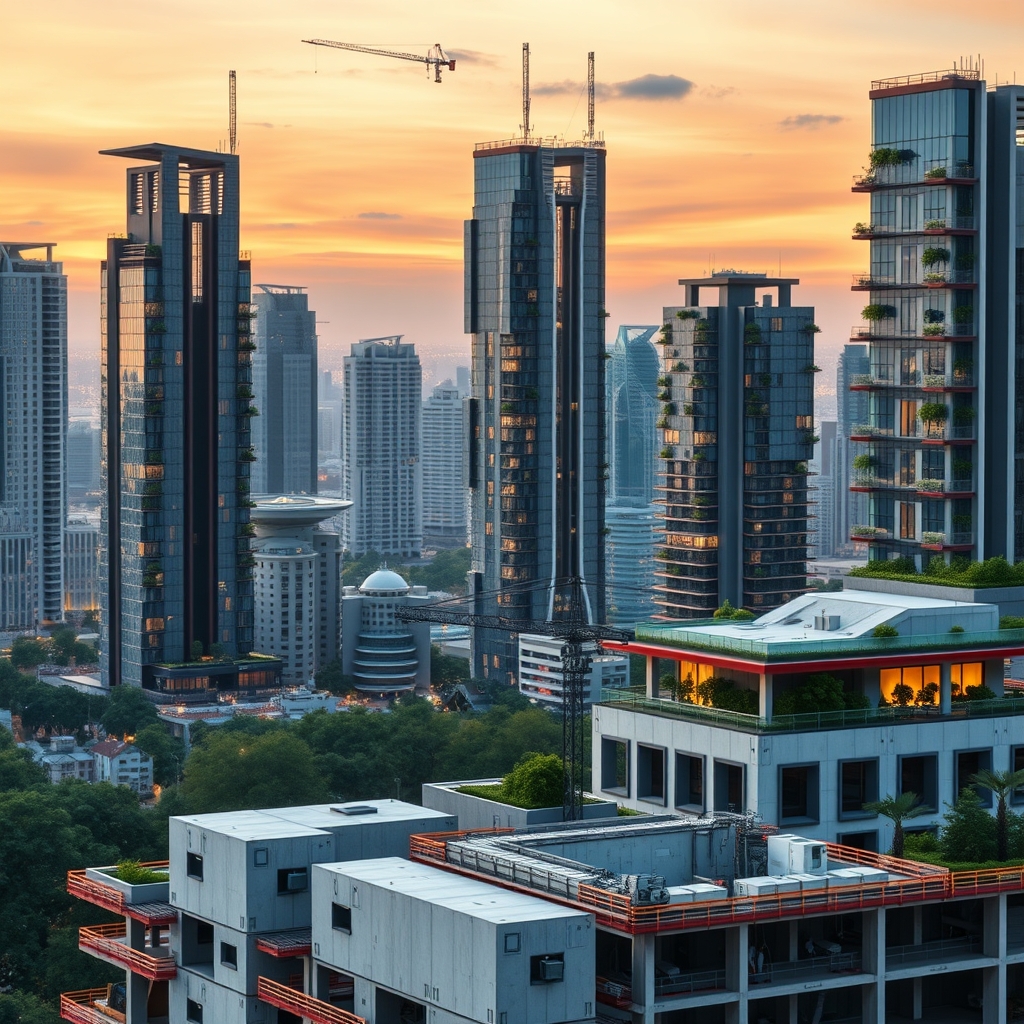
The modern cityscape is undergoing a profound transformation, one where steel and glass are no longer just symbols of progress but also of sustainability. As urban populations swell and climate concerns intensify, the construction industry is pivoting toward solutions that marry innovation with environmental stewardship. At the heart of this shift lies the fusion of energy-efficient design and smart building technology, a combination that is redefining what it means to build for the future.
The Foundation of Energy-Efficient Design
Energy-efficient design is not merely a trend; it is a necessity. Buildings account for nearly 40% of global energy consumption and a third of greenhouse gas emissions, making them a critical focus for reducing our carbon footprint. The principles of energy-efficient design—such as passive solar strategies, high-performance insulation, and natural ventilation—are being integrated into projects from the outset. These approaches minimize reliance on artificial heating, cooling, and lighting, drastically cutting energy demands while enhancing occupant comfort.
One of the most impactful advancements in this space is the use of advanced building materials. Aerogels, phase-change materials, and vacuum-insulated panels are just a few examples of innovations that offer superior thermal performance without compromising structural integrity. These materials are not only reducing energy consumption but also extending the lifespan of buildings, making them more resilient to the challenges of climate change.
The Role of Smart Building Technology
While energy-efficient design lays the groundwork, smart building technology is the nervous system that brings these structures to life. IoT-enabled sensors, automated HVAC systems, and AI-driven energy management platforms are turning buildings into dynamic entities that respond to real-time conditions. For instance, smart thermostats adjust temperatures based on occupancy patterns, while intelligent lighting systems dim or brighten in response to natural light levels. These technologies don’t just optimize energy use—they create environments that adapt to the needs of their inhabitants.
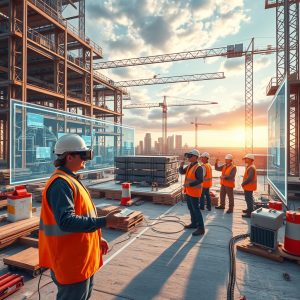
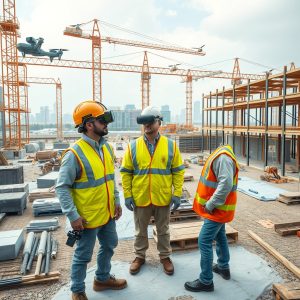
Building Information Modeling (BIM) is another game-changer in this ecosystem. By creating digital twins of physical structures, BIM allows architects, engineers, and contractors to simulate and optimize every aspect of a building’s performance before construction even begins. This level of precision reduces waste, improves efficiency, and ensures that energy-efficient designs are executed flawlessly. When combined with smart technology, BIM enables buildings to evolve over time, continuously improving their performance as new data is collected.
Precast Concrete and Modular Construction: The Backbone of Efficiency
Efficiency in construction is not limited to energy use—it also extends to the building process itself. Precast concrete solutions and modular construction trends are revolutionizing how we think about project timelines and resource management. Precast concrete, manufactured off-site in controlled environments, reduces material waste and accelerates construction schedules. Its durability and thermal mass properties also contribute to long-term energy savings, making it a cornerstone of sustainable building practices.
Modular construction takes this concept further by assembling entire building sections in factories before transporting them to the site. This method not only slashes construction time by up to 50% but also minimizes disruption to surrounding communities. The precision of factory-based assembly ensures higher quality control and less material waste, aligning perfectly with the goals of energy-efficient design. As urban areas grapple with housing shortages and the need for rapid development, modular construction offers a scalable solution that doesn’t compromise on sustainability.
Zero Carbon Buildings: The Ultimate Goal
The pinnacle of this evolution is the zero-carbon building—a structure that produces as much energy as it consumes over its lifecycle. Achieving this requires a holistic approach that integrates energy-efficient design, smart technology, and renewable energy sources like solar panels and geothermal systems. Green building certifications, such as LEED and BREEAM, provide the frameworks to guide these projects, ensuring they meet rigorous sustainability standards.
Yet, the journey to zero carbon is not without challenges. High upfront costs, regulatory hurdles, and a lack of widespread expertise can slow adoption. However, as technology advances and economies of scale kick in, these barriers are gradually eroding. Governments and private sectors are increasingly incentivizing sustainable construction, recognizing that the long-term benefits—reduced operational costs, improved public health, and climate resilience—far outweigh the initial investments.
The Human Element: Designing for People and Planet
At its core, the shift toward energy-efficient and smart buildings is about more than just technology—it’s about reimagining the relationship between people and their built environment. Biophilic design, which incorporates natural elements like greenery and water features into buildings, is gaining traction for its ability to enhance well-being and productivity. Similarly, smart buildings are being designed with user experience in mind, offering personalized control over lighting, temperature, and even air quality through mobile apps and voice assistants.
These innovations are not just improving individual buildings; they are transforming entire urban ecosystems. Smart grids, district energy systems, and connected infrastructure are enabling cities to optimize energy distribution, reduce waste, and create more livable spaces. As these technologies become more accessible, they hold the promise of democratizing sustainability, ensuring that the benefits of energy-efficient design are available to all, not just the privileged few.
The cities of tomorrow are being built today, not just with bricks and mortar, but with vision and innovation. Every energy-efficient design choice, every smart technology integration, and every sustainable material selected is a step toward a future where urban living is in harmony with the planet. The skyline of the future will not just be taller or more impressive—it will be smarter, greener, and more resilient, reflecting our collective commitment to building a world that thrives for generations to come.