The Sedimentary Paradox: How Land Reclamation is Crafting Coastal Futures on Shifting Foundations
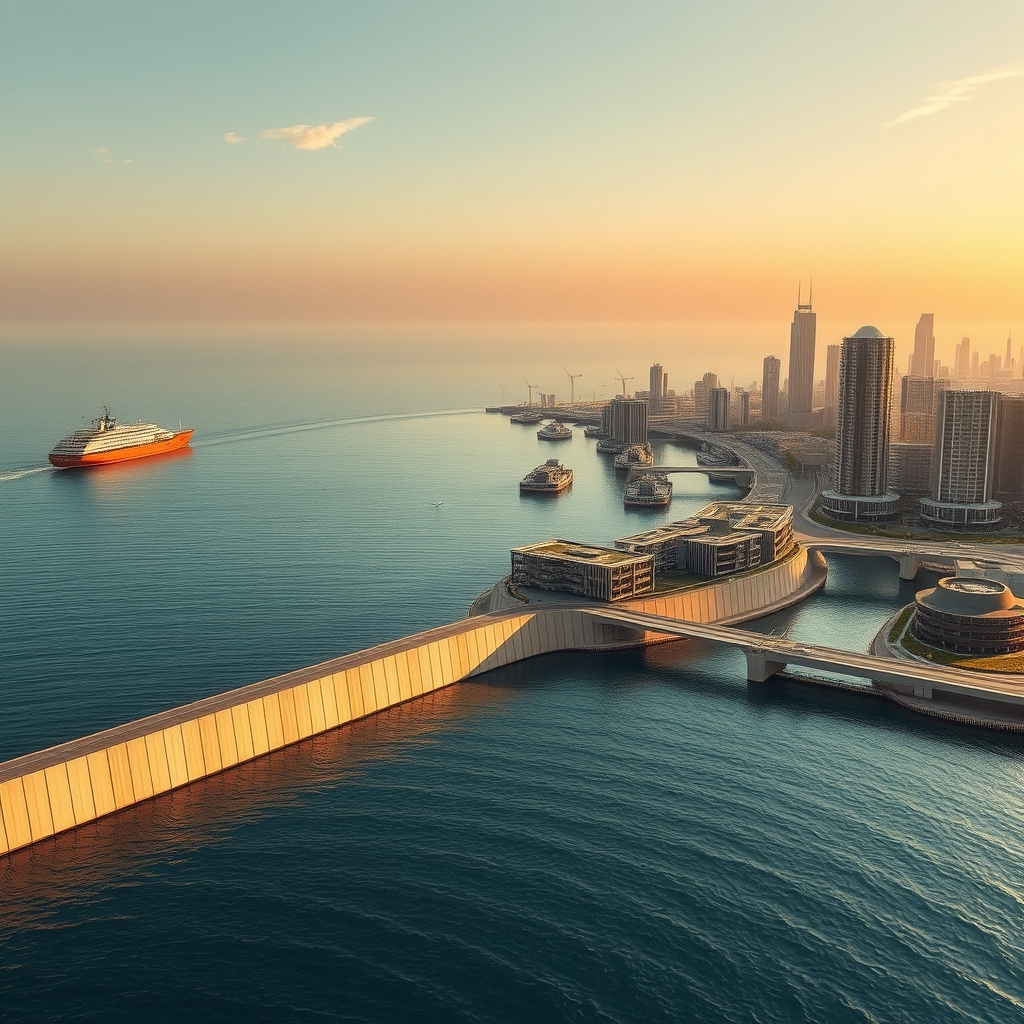
The act of reclaiming land from the sea is as old as human ambition itself. From the polders of the Netherlands to the artificial archipelagos of Dubai, the transformation of water into terra firma has long been a testament to engineering prowess. Yet, as climate change accelerates and sea levels rise, the very foundations of these projects are being scrutinized—not just for their structural integrity, but for their ecological and ethical implications. The sedimentary paradox lies in this: the more we build, the more we disrupt the natural equilibrium that once made such endeavors seem viable.
The Illusion of Permanence
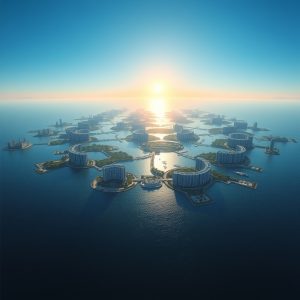
Land reclamation projects often present themselves as permanent solutions to urban sprawl, population density, and economic expansion. The Palm Jumeirah, for instance, is a marvel of modern engineering, a man-made island that stretches into the Persian Gulf like a geometric palm frond. Yet, beneath its gleaming surface lies a precarious reality. The island’s foundation is composed of millions of cubic meters of sand dredged from the seabed, a process that disrupts marine ecosystems and alters coastal currents. The very act of reclaiming land creates a feedback loop: the more we dredge, the more we destabilize the seabed, and the more vulnerable our reclaimed land becomes to erosion and subsidence.
This illusion of permanence is further complicated by the legal ambiguities surrounding submerged land rights. Who owns the seabed? Who is responsible when reclaimed land begins to sink or erode? These questions are not merely academic; they are at the heart of a growing number of disputes between developers, governments, and environmental advocates. The legal frameworks governing land reclamation are often outdated, designed for an era when the sea was seen as a limitless frontier rather than a finite, fragile ecosystem.
The Ecological Cost of Expansion
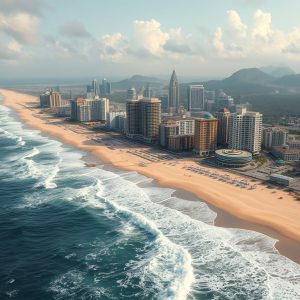
The environmental impact of land reclamation is both immediate and long-term. Dredging disrupts benthic communities, destroys coral reefs, and alters sedimentation patterns, which can lead to increased turbidity and reduced light penetration in the water column. These changes have cascading effects on marine life, from plankton to apex predators. In Singapore, for example, the massive land reclamation projects that have expanded the city-state’s territory by over 20% have come at the cost of critical marine habitats, including mangroves and seagrass beds that serve as nurseries for fish and carbon sinks for the planet.
Yet, the narrative around land reclamation is shifting. Eco-friendly reclamation techniques, such as the use of geotextiles, bioengineering, and sediment recycling, are gaining traction as developers seek to mitigate their environmental footprint. These methods aim to reduce the need for dredging, stabilize reclaimed land with natural materials, and even restore damaged ecosystems. However, their effectiveness is still being tested, and the long-term sustainability of such approaches remains uncertain. Can we truly reclaim land without leaving an indelible mark on the marine environment?
The Rise of Smart Marine Cities
As traditional land reclamation methods face increasing scrutiny, a new paradigm is emerging: smart marine cities. These developments are not just about creating new land but about integrating urban infrastructure with the marine environment in a way that is adaptive, resilient, and sustainable. Floating real estate, for instance, offers a way to expand urban spaces without the ecological disruption of dredging. Projects like the Maldives’ Floating City or the Netherlands’ Schoonschip demonstrate how floating neighborhoods can coexist with rising sea levels, using modular designs and renewable energy to create self-sustaining communities.
Smart marine cities also leverage advanced technologies to monitor and manage coastal resilience. Sensors embedded in seawalls and breakwaters can provide real-time data on wave patterns, erosion rates, and water quality, allowing engineers to respond dynamically to changing conditions. Artificial intelligence and machine learning are being used to model the long-term impacts of land reclamation, helping planners design projects that are not just structurally sound but ecologically harmonious. Yet, even these innovations come with their own set of challenges. The high cost of floating infrastructure, the need for specialized maintenance, and the potential for technological failures all pose risks that must be carefully managed.
The Ethical Dilemma of Land Augmentation
At its core, land reclamation is an ethical dilemma. It represents humanity’s desire to conquer nature, to bend the environment to our will. But as we push the boundaries of coastal engineering, we must confront the question: at what cost? The Blue Economy, which seeks to harness the economic potential of the ocean while preserving its health, is often at odds with the realities of land augmentation. Luxury island resorts, for example, may bring economic benefits to local communities, but they also contribute to the displacement of marine life, the degradation of coastal ecosystems, and the exacerbation of social inequalities.
The ethical implications extend beyond the environment. Land reclamation can displace indigenous communities, alter cultural landscapes, and create new geopolitical tensions. In the South China Sea, for instance, the construction of artificial islands has sparked international disputes over territorial claims and resource rights. These conflicts highlight the need for a more holistic approach to land augmentation—one that considers not just the technical feasibility of a project but its social, economic, and environmental consequences.
The Future of Coastal Resilience
The future of land reclamation lies in our ability to adapt. As sea levels rise and coastal erosion accelerates, the traditional methods of land augmentation may no longer be viable. Instead, we must look to innovative solutions that prioritize resilience and sustainability. This could mean embracing floating cities, investing in eco-friendly reclamation techniques, or even reconsidering the need for land expansion altogether. The key is to shift our mindset from one of conquest to one of coexistence, recognizing that the sea is not a frontier to be tamed but a partner in our survival.
The sedimentary paradox reminds us that land reclamation is not a static endeavor but a dynamic process, one that is constantly evolving in response to the forces of nature and human ambition. The choices we make today will determine whether our coastal futures are built on solid ground or shifting sands. The challenge is not just to reclaim land from the sea but to do so in a way that respects the delicate balance of the marine environment. For in the end, the sea always reclaims what is hers.