Engineering the Future: The Delicate Balance of Sustainable Land Reclamation and Coastal Resilience
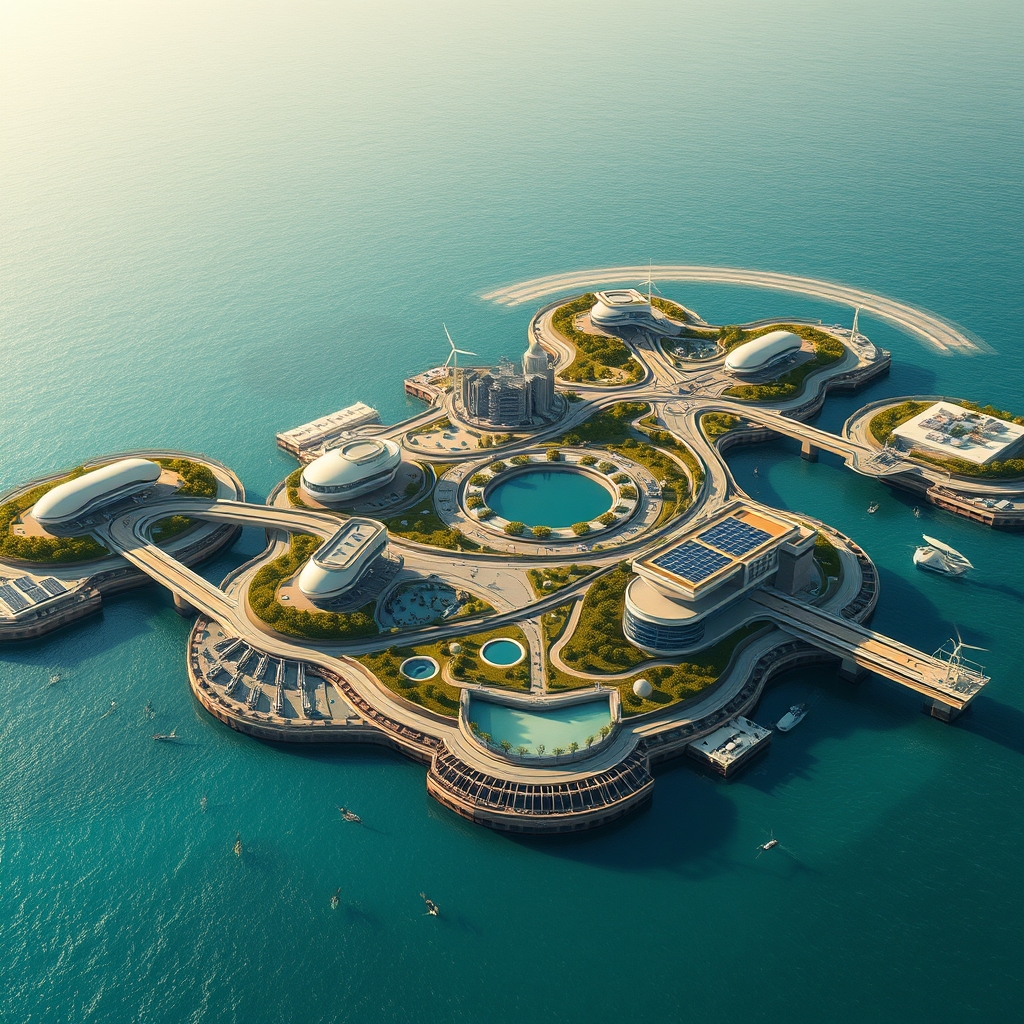
The relentless march of urbanization has pushed coastal cities to their limits, forcing a reckoning with the finite nature of land. As skylines stretch upward and populations swell, the ocean—once a boundary—has become the next frontier for expansion. Sustainable land reclamation and the construction of artificial archipelagos are no longer the stuff of speculative fiction but a tangible, if contentious, solution to the global land crisis. Yet, the question lingers: at what cost?
The Illusion of Infinite Space
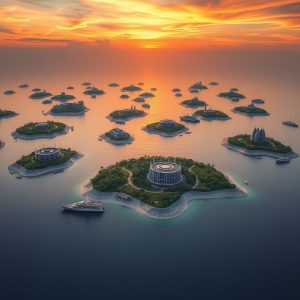
Man-made islands and reclaimed land offer a seductive promise—unlimited space for luxury resorts, high-end real estate, and sprawling urban developments. Projects like Dubai’s Palm Jumeirah and China’s Forest City exemplify the audacity of human ambition, transforming barren seabeds into glittering metropolises. But these endeavors are not merely feats of engineering; they are gambles with ecological and economic stakes that extend far beyond their shorelines.
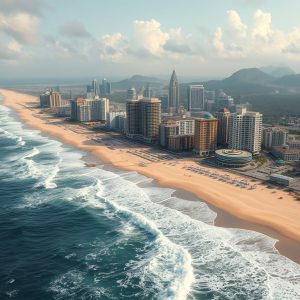
The allure of waterfront urbanism is undeniable. Coastal cities command premium real estate values, and the demand for oceanfront developments shows no signs of abating. However, the environmental trade-offs are stark. Dredging, the process of excavating sediment from the seabed, disrupts marine ecosystems, smothers coral reefs, and alters tidal patterns. The long-term consequences of such disruptions are still being uncovered, but early signs point to irreversible damage to biodiversity and coastal resilience.
Coastal Resilience: A Fragile Shield
The irony of land reclamation is that it often undermines the very resilience it seeks to enhance. Natural coastlines act as buffers against storm surges and rising sea levels, absorbing the brunt of nature’s fury. When these defenses are replaced with rigid, engineered structures, the result is a false sense of security. The 2011 tsunami in Japan, which devastated reclaimed land in Tokyo Bay, serves as a grim reminder of the vulnerabilities inherent in such projects.
Smart marine cities and floating real estate have emerged as potential alternatives, promising adaptability in the face of climate change. These innovations, however, are not without their own challenges. Deep sea foundations require advanced materials and techniques to withstand corrosive saltwater and extreme pressures, driving up costs and complexity. Moreover, the legal ambiguities surrounding submerged land rights complicate ownership and governance, creating a regulatory minefield for developers and policymakers alike.
The Blue Economy: A Double-Edged Sword
Proponents of land augmentation argue that it can catalyze the blue economy—an economic framework centered on sustainable marine resource utilization. By creating new spaces for aquaculture, renewable energy installations, and maritime trade hubs, reclaimed land can diversify coastal economies. Yet, the reality is often less utopian. Many projects prioritize short-term gains over long-term sustainability, leading to overdevelopment and environmental degradation.
Eco-friendly reclamation techniques, such as using recycled materials or designing permeable structures that allow water flow, are gaining traction. But these methods remain the exception rather than the rule. The majority of land reclamation projects still rely on traditional, environmentally harmful practices, driven by the relentless demand for space and profit. The tension between economic growth and ecological preservation is a defining challenge of our time, and nowhere is it more pronounced than in the realm of coastal engineering.
Maritime Urban Planning: The Path Forward
The future of land reclamation hinges on a paradigm shift—one that prioritizes resilience, sustainability, and community over sheer expansion. Maritime urban planning must evolve to incorporate adaptive strategies, such as modular floating structures and hybrid natural-engineered coastlines. These approaches can mitigate the risks of sea-level rise while preserving the ecological integrity of marine environments.
Cities like Rotterdam and Singapore are leading the way, integrating green infrastructure and climate-responsive design into their coastal developments. Rotterdam’s floating pavilions and Singapore’s Marina Barrage demonstrate how innovation can coexist with environmental stewardship. These examples prove that land reclamation need not be an ecological zero-sum game; with foresight and discipline, it can be a tool for building a more resilient future.
The ocean is not an infinite resource, nor is it a blank canvas for human ambition. The projects we undertake today will shape the coastlines of tomorrow, for better or for worse. The challenge lies in recognizing the limits of our ingenuity and the fragility of the systems we seek to dominate. Sustainable land reclamation is not just about creating new land—it is about redefining our relationship with the sea, ensuring that the waves we ride today do not become the storms we drown in tomorrow.