Smart Glass Installation: The Future of Energy-Efficient and Sustainable Architecture
In an era where sustainability is no longer a choice but a necessity, the construction industry is undergoing a transformative shift. Among the most innovative advancements is the integration of smart glass technology, a game-changer in energy-efficient design and eco-friendly architecture. This cutting-edge solution is redefining how buildings interact with their environment, offering a seamless blend of functionality, aesthetics, and sustainability.
The Science Behind Smart Glass
Smart glass, also known as switchable glass, is a dynamic material that can alter its light transmission properties in response to external stimuli such as voltage, light, or heat. This technology leverages electrochromic, thermochromic, or photochromic principles to control the amount of light and heat entering a building. Electrochromic smart glass, for instance, uses a thin coating of electrochromic materials that change opacity when an electrical current is applied. This allows for precise control over glare, solar heat gain, and privacy without the need for traditional window treatments like blinds or curtains.
The environmental benefits of smart glass are profound. By reducing the reliance on artificial lighting and HVAC systems, buildings equipped with this technology can significantly lower their energy consumption. Studies have shown that smart glass can cut energy costs by up to 20%, making it a cornerstone of zero-carbon buildings and energy-efficient design. Moreover, its ability to minimize UV radiation helps protect interior furnishings from fading, extending their lifespan and reducing waste.
Applications in Modern Architecture
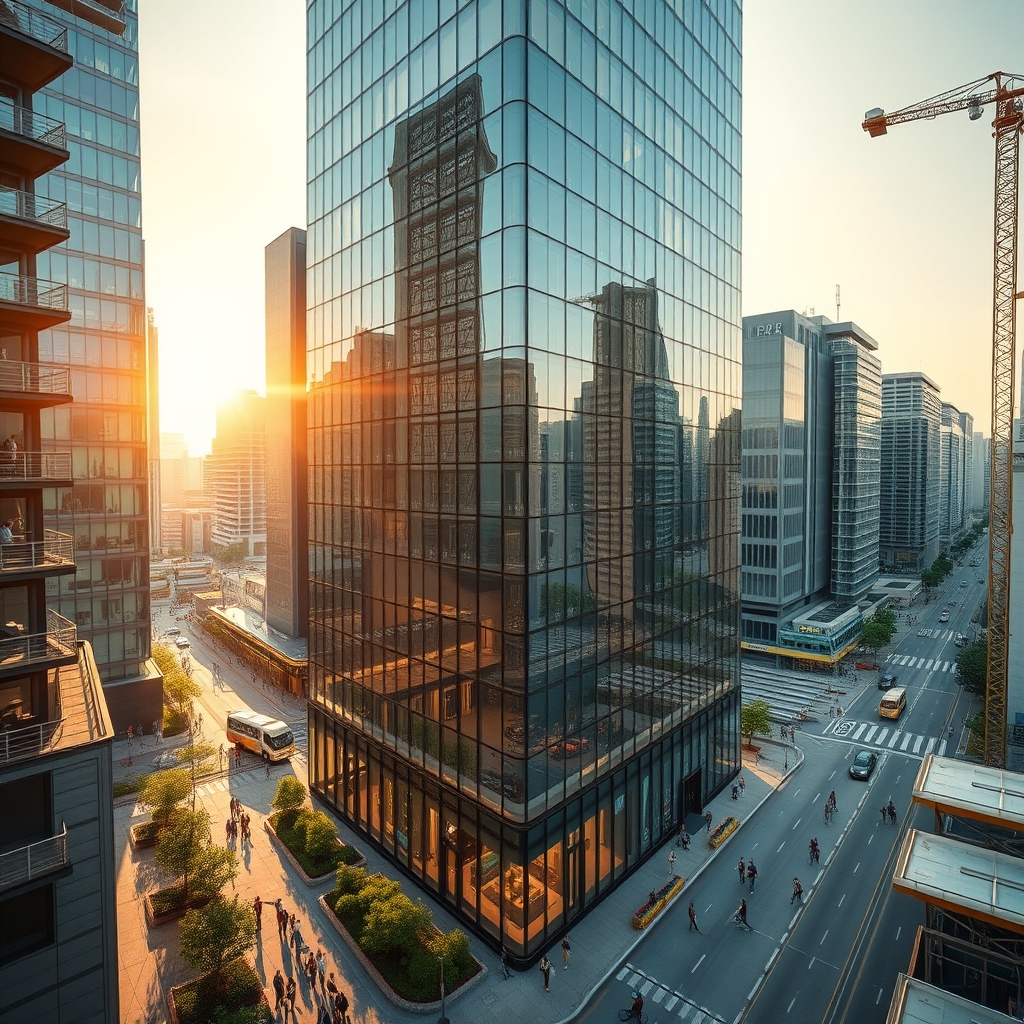
Smart glass is not just a futuristic concept; it is already being integrated into a variety of architectural projects, from residential buildings to large-scale commercial properties. In high-rise construction, for example, smart glass facades are becoming increasingly popular. These facades adapt to external conditions, optimizing natural light while reducing heat gain during peak sunlight hours. This not only enhances occupant comfort but also contributes to the building’s overall energy efficiency.
In urban infrastructure projects, smart glass is being used to create adaptive public spaces. For instance, bus shelters and train stations equipped with smart glass can adjust their transparency based on weather conditions, providing shade during hot days and allowing sunlight to pass through during colder months. This versatility makes smart glass an ideal solution for cities aiming to reduce their carbon footprint while improving the quality of urban life.
Residential building contractors are also embracing smart glass for its ability to enhance both aesthetics and functionality. Prefabricated home systems, for example, are incorporating smart glass panels to create modular, energy-efficient living spaces. These panels can be pre-programmed to adjust their opacity based on the time of day, ensuring optimal light levels while maintaining privacy. The result is a home that is not only visually striking but also aligned with the principles of sustainable construction methods.
Challenges and Considerations
Despite its numerous advantages, the adoption of smart glass is not without challenges. One of the primary barriers is cost. Smart glass technology is still relatively expensive compared to traditional glazing solutions, which can deter developers, particularly in low-cost housing projects. However, as the technology matures and economies of scale are achieved, prices are expected to decrease, making it more accessible to a broader range of projects.
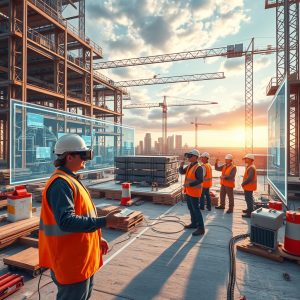
Another consideration is the complexity of installation. Smart glass requires precise calibration and integration with a building’s electrical system, which demands specialized expertise. Construction site safety is also a critical factor, as improper handling of smart glass panels can lead to breakage or malfunction. To address these challenges, contractors are increasingly investing in training programs to ensure their teams are equipped with the skills needed to install and maintain smart glass systems effectively.
Integration with Smart Building Technology
The true potential of smart glass is unlocked when it is integrated with other smart building technologies. Building Information Modeling (BIM) plays a crucial role in this process, allowing architects and engineers to simulate and optimize the performance of smart glass within a building’s design. By using BIM, designers can predict how smart glass will interact with other systems, such as lighting and HVAC, to create a cohesive, energy-efficient environment.
Smart glass can also be paired with advanced building materials, such as modern steel structures and precast concrete solutions, to enhance a building’s overall sustainability. For example, smart glass panels can be incorporated into modular construction trends, where prefabricated components are assembled on-site. This approach not only reduces construction time but also minimizes waste, further contributing to the project’s eco-friendly credentials.
The Road Ahead: Smart Glass in Zero-Carbon Buildings
As the world moves toward a zero-carbon future, smart glass is poised to play a pivotal role in shaping the next generation of buildings. Its ability to dynamically respond to environmental conditions makes it an indispensable tool for architects and developers committed to reducing their carbon footprint. Moreover, as governments and organizations increasingly prioritize energy-efficient design, smart glass is likely to become a standard feature in both residential and commercial property construction.
The integration of smart glass into urban infrastructure projects is another exciting frontier. Imagine a city where every building, from skyscrapers to public transit stations, is equipped with smart glass technology. Such a city would not only be more energy-efficient but also more livable, with spaces that adapt to the needs of their occupants. This vision is not far-fetched; it is a tangible goal that can be achieved through continued innovation and collaboration across the construction industry.
As we stand on the brink of a new era in architecture, smart glass installation represents more than just a technological advancement—it is a testament to our ability to harmonize human ingenuity with environmental stewardship. The buildings of tomorrow will not only be structures of steel and concrete but living, breathing entities that respond to the world around them. In this future, smart glass will be the silent guardian of sustainability, quietly transforming the way we live, work, and interact with our built environment, one pane at a time.