Modular Construction Trends: The Next Frontier in Sustainable and Efficient Building
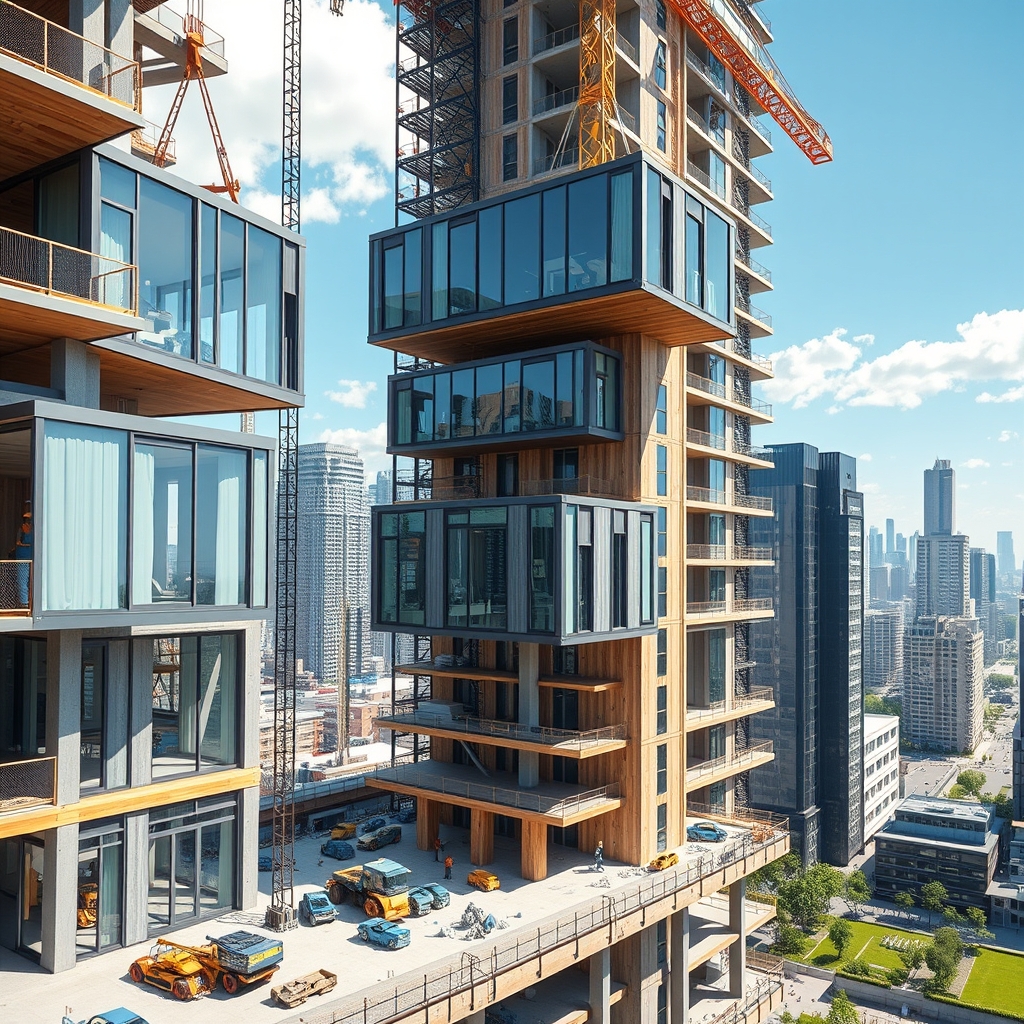
In an era where speed, sustainability, and efficiency are paramount in construction, modular building trends are emerging as a game-changer. This innovative approach to construction is not just a fleeting trend but a transformative shift that is reshaping how we think about building design, execution, and environmental impact. By leveraging prefabricated components and off-site manufacturing, modular construction is addressing some of the most pressing challenges in the industry today, from reducing waste to accelerating project timelines.
The Evolution of Modular Construction
Modular construction is far from a new concept, but recent advancements in technology and materials have propelled it into the spotlight. Traditionally associated with temporary structures or low-cost housing, modern modular construction now encompasses a wide range of applications, from residential homes to high-rise buildings and even commercial spaces. The evolution of this method is driven by the need for faster, more cost-effective, and sustainable building solutions.
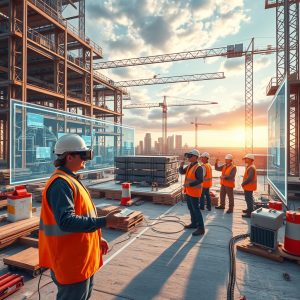
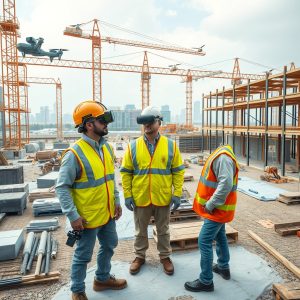
One of the key milestones in this evolution is the integration of Building Information Modeling (BIM). BIM allows architects and engineers to create detailed 3D models of modular components, ensuring precision in design and assembly. This digital approach minimizes errors, reduces material waste, and streamlines the construction process. Additionally, the use of advanced building materials, such as cross-laminated timber (CLT) and high-performance steel, has further enhanced the structural integrity and sustainability of modular buildings.
Sustainability at the Core
At the heart of modular construction is a commitment to sustainability. Unlike traditional construction methods, which often generate significant waste and require extensive on-site labor, modular construction takes place in controlled factory environments. This not only reduces material waste but also minimizes the environmental impact of transportation and on-site activities. According to studies, modular construction can reduce waste by up to 50% compared to conventional methods, making it a cornerstone of eco-friendly architecture.
Moreover, modular buildings are designed with energy efficiency in mind. The precision of factory assembly ensures tighter seals and better insulation, which translates to lower energy consumption for heating and cooling. Many modular projects also incorporate smart building technology, such as automated lighting and HVAC systems, to further enhance energy efficiency. These features align with the growing demand for zero-carbon buildings, where sustainability is not just an add-on but a fundamental principle.
Speed and Efficiency: A Competitive Edge
One of the most compelling advantages of modular construction is its ability to significantly reduce project timelines. Since modules are manufactured off-site while site preparation is underway, construction can proceed in parallel rather than sequentially. This parallel processing can cut project durations by as much as 50%, allowing developers to bring buildings to market faster and reduce financing costs.
For example, a recent high-rise construction project in Singapore utilized modular techniques to complete a 40-story building in just 28 months—a timeline that would have been unthinkable with traditional methods. This speed does not come at the expense of quality; in fact, the controlled factory environment often results in higher-quality construction, as modules are built to exact specifications and undergo rigorous quality control checks before being transported to the site.
Overcoming Challenges and Misconceptions
Despite its many benefits, modular construction is not without its challenges. One common misconception is that modular buildings lack design flexibility. However, advancements in technology have made it possible to create highly customized and architecturally diverse structures. From sleek, modern facades to intricate interior layouts, modular construction can accommodate a wide range of design preferences.
Another challenge is the perception that modular buildings are less durable than traditional structures. In reality, modular buildings are subject to the same building codes and standards as conventional buildings. The use of high-quality materials and precision engineering ensures that modular structures are just as resilient, if not more so, than their on-site counterparts. Additionally, the controlled environment of a factory reduces the risk of weather-related damage during construction, further enhancing the longevity of the building.
The Future of Modular Construction
As urbanization continues to accelerate, the demand for efficient, sustainable, and cost-effective building solutions will only grow. Modular construction is poised to play a pivotal role in meeting this demand, particularly in sectors such as residential building contracting and commercial property construction. The ability to rapidly deploy housing solutions, for instance, makes modular construction an attractive option for addressing housing shortages in densely populated urban areas.
Furthermore, the integration of smart building technology into modular construction is opening up new possibilities for creating intelligent, responsive environments. Imagine a modular office building where lighting, temperature, and even space utilization are optimized in real-time through IoT sensors and AI-driven analytics. Such innovations are not just futuristic concepts but tangible realities that are already being implemented in projects around the world.
The shift toward modular construction also aligns with broader trends in urban infrastructure projects, where efficiency and sustainability are critical. Governments and developers are increasingly recognizing the potential of modular methods to deliver large-scale projects, such as schools, hospitals, and affordable housing, with greater speed and lower environmental impact. As the industry continues to innovate, modular construction will likely become a standard practice rather than an exception, redefining the way we build for generations to come.
The journey of modular construction from a niche solution to a mainstream building method is a testament to the power of innovation in addressing the challenges of our time. By embracing this approach, the construction industry is not only improving its own efficiency but also contributing to a more sustainable and resilient built environment. As we look to the future, the possibilities of modular construction are limited only by our imagination, offering a blueprint for a smarter, greener, and more efficient way of building.