The Rise of Prefabricated Home Systems: Revolutionizing Residential Construction
The residential construction industry is undergoing a significant transformation, driven by the need for faster, more efficient, and sustainable building solutions. Among the most promising advancements is the increasing adoption of prefabricated home systems. These systems, often referred to as modular or off-site construction, involve manufacturing building components or entire modules in a factory setting before transporting them to the construction site for assembly. This approach offers a compelling alternative to traditional on-site building methods, addressing challenges such as labor shortages, cost overruns, and lengthy project timelines.
The Advantages of Prefabrication
One of the primary benefits of prefabricated home systems is the speed of construction. Because modules are built simultaneously in a controlled factory environment while the site is being prepared, the overall project timeline can be drastically reduced. This acceleration is particularly valuable in markets with high housing demand or for developers looking to bring properties to market quickly. Furthermore, factory production allows for greater precision and quality control. Weather disruptions, a common cause of delays and quality issues in traditional construction, are eliminated. Skilled labor can be concentrated in a single facility, leading to more consistent and higher-quality workmanship.
Sustainability is another key advantage. Prefabrication often leads to less material waste, as factories can optimize material usage and recycle scraps more effectively than a typical construction site. The controlled environment also allows for better integration of energy-efficient features and advanced insulation techniques, contributing to the creation of more eco-friendly homes. Moreover, the reduced on-site activity can minimize local environmental impact, such as noise pollution and traffic congestion, especially in urban settings.
Modular Construction: A Closer Look
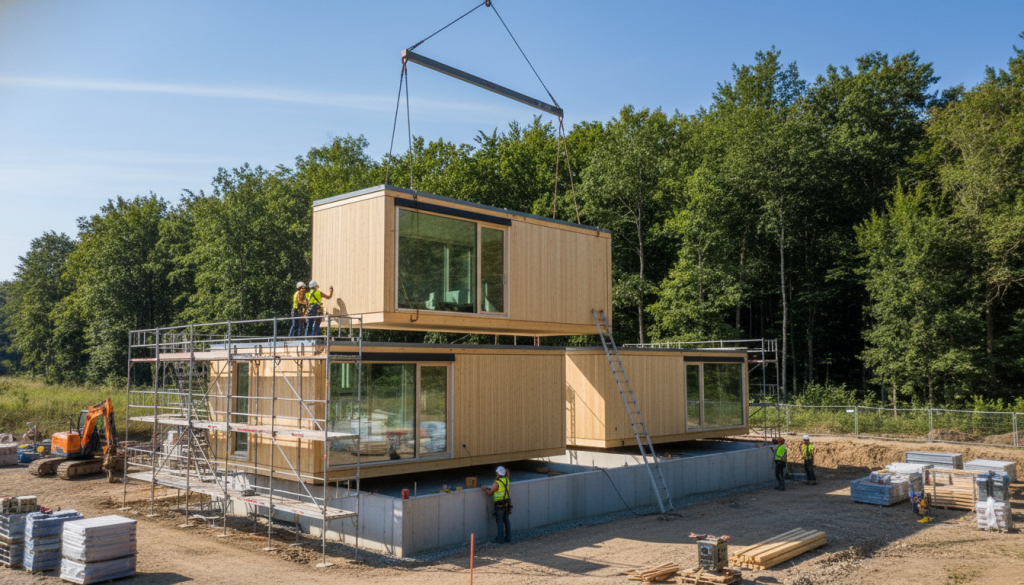
Modular construction is a subset of prefabrication where entire rooms or sections of a house are built as complete modules. These modules are then transported to the site and connected to form the final structure. This method allows for complex designs and a high degree of customization, debunking the myth that prefabricated homes are inherently limited in aesthetic or functional options. Think of it like a sophisticated 3D puzzle, where each piece is expertly crafted to fit seamlessly with the others. The modules can include finished interiors, plumbing, electrical wiring, and even fixtures, further reducing on-site work.
Innovations in Materials and Design
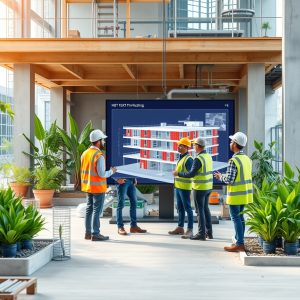
The evolution of prefabricated home systems is closely tied to advancements in building materials and design software. High-performance, lightweight, and sustainable materials are increasingly being used in factory settings. For instance, advanced composite panels, engineered wood products, and recycled materials are becoming standard. Building Information Modeling (BIM) plays a crucial role in the design and manufacturing process. BIM software allows for detailed 3D modeling of the entire structure, enabling precise planning, clash detection, and efficient coordination between design, manufacturing, and assembly teams. This digital approach minimizes errors and ensures that all components fit perfectly.
Addressing Cost and Perception
Historically, prefabrication faced challenges related to public perception and financing. Some consumers viewed prefabricated homes as lower quality or less customizable than traditionally built homes. However, as the technology and quality have improved, so has the perception. Lenders and insurers are also becoming more comfortable with modular construction as its reliability and durability are proven. While the initial investment in factory setup can be significant, the overall cost savings realized through reduced labor, minimized waste, and faster construction times often make prefabricated systems a more economical choice in the long run. The ability to scale production also allows manufacturers to achieve economies of scale, further driving down costs for consumers.
The integration of prefabricated home systems into the broader landscape of sustainable construction methods and smart building technology is creating a powerful synergy. Homes can be designed with integrated smart systems from the outset, with wiring and conduits pre-installed within the factory-built modules. This seamless integration ensures that the technology functions optimally and is aesthetically pleasing. The precision of off-site manufacturing also lends itself well to achieving stringent energy efficiency standards, moving closer to the goal of zero-carbon buildings. As the construction industry continues to seek innovative solutions for housing the growing global population, prefabricated home systems are poised to play an increasingly vital role, offering a faster, greener, and more cost-effective path to homeownership.