The Future of Construction: Integrating Technology and Sustainability
In the ever-evolving landscape of construction, the integration of technology and sustainable practices is not just a trend but a necessity. As we move towards a more eco-conscious world, the construction industry is embracing innovative methods to create buildings that are not only efficient but also environmentally friendly. This shift is driven by a combination of advanced technologies and a renewed focus on human-centric design.
Sustainable Building Methods
Sustainable building methods are at the forefront of this transformation. These methods prioritize the use of eco-friendly materials and energy-efficient designs. By selecting materials that have a lower environmental impact, such as recycled or renewable resources, construction projects can significantly reduce their carbon footprint. Additionally, energy-efficient designs, such as passive solar heating and cooling systems, help to minimize energy consumption and lower operational costs over the lifespan of the building.
Eco-Friendly Material Selection
One of the key aspects of sustainable building is the careful selection of materials. Eco-friendly materials not only reduce the environmental impact but also contribute to healthier indoor environments. For instance, using materials like bamboo, which grows rapidly and requires minimal resources, can be a sustainable alternative to traditional hardwood. Similarly, recycled materials like reclaimed wood and metal can be repurposed to create durable and aesthetically pleasing structures.
Immersive Construction Planning
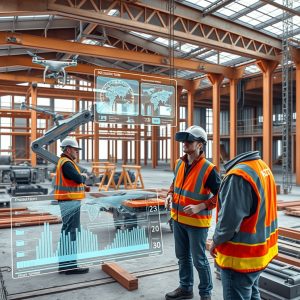
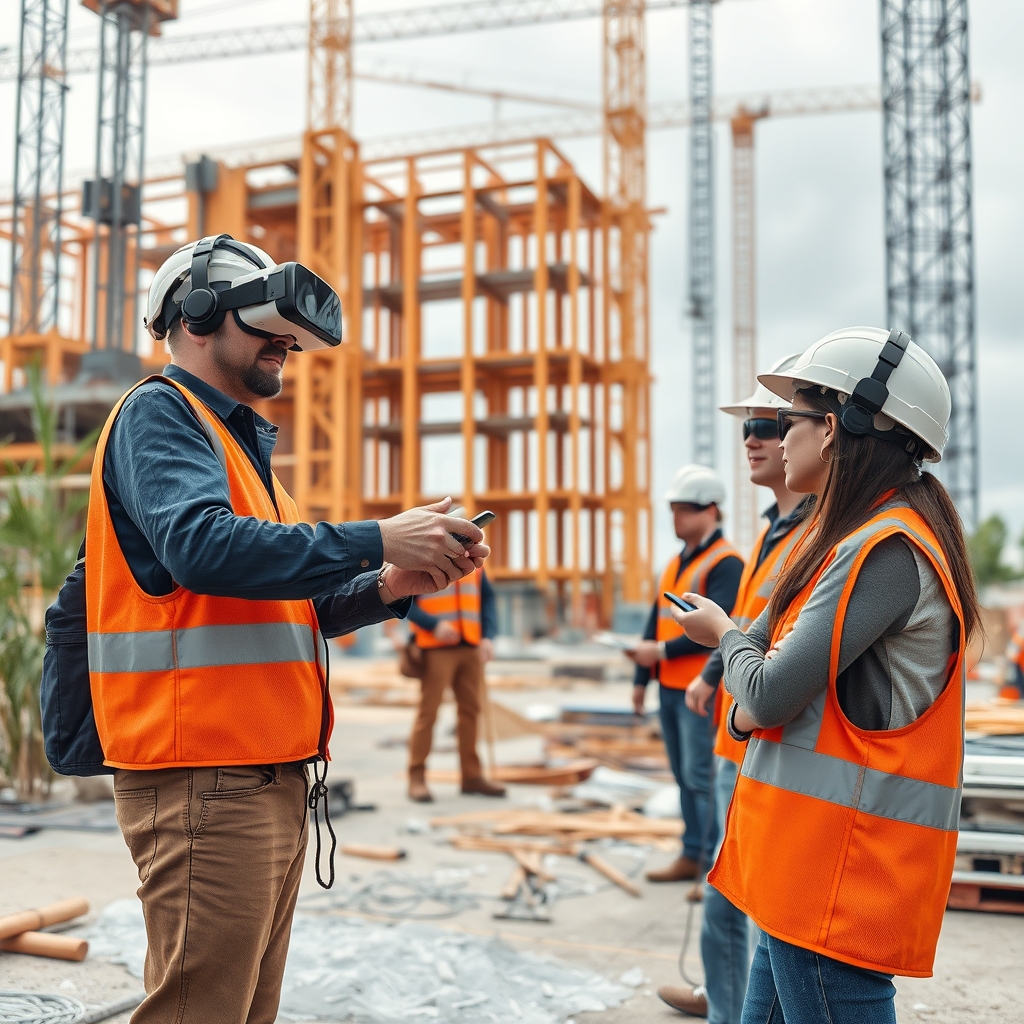
Immersive construction planning is another revolutionary approach that is changing the way buildings are designed and constructed. By leveraging virtual reality (VR) and augmented reality (AR), architects and engineers can create detailed, interactive models of buildings before they are even built. This allows for better visualization of the final product and helps in identifying potential issues early in the design phase, leading to more efficient and cost-effective construction processes.
Digital Twin Site Management
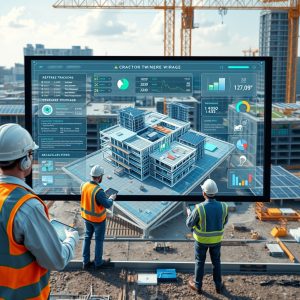
Digital twin technology takes immersive planning a step further by creating a virtual replica of the physical building. This digital twin can be used to monitor and manage the construction site in real-time, providing valuable insights into the progress and performance of the project. By integrating data from various sources, such as sensors and IoT devices, digital twins can help in optimizing resource allocation and ensuring that the construction process stays on track.
Lean Construction Practices
Lean construction practices focus on maximizing value and minimizing waste throughout the construction process. This approach emphasizes efficiency, collaboration, and continuous improvement. By adopting lean principles, construction companies can streamline their operations, reduce costs, and deliver projects more quickly and effectively. Lean construction also encourages a culture of collaboration, where all stakeholders work together to achieve common goals.
Collaborative Building Design
Collaborative building design is a cornerstone of lean construction. By involving all stakeholders, including architects, engineers, contractors, and clients, in the design process, construction projects can benefit from diverse perspectives and expertise. This collaborative approach ensures that the final design meets the needs and expectations of all parties involved, leading to more successful and satisfying outcomes.
Experiential Construction Workflow
Experiential construction workflows emphasize the importance of the human element in the construction process. By focusing on the experiences of workers, clients, and end-users, construction projects can be designed and executed in a way that enhances overall satisfaction and well-being. This human-centric approach ensures that the final product not only meets functional requirements but also creates a positive and engaging environment for its occupants.
Human-Centric Structural Design
Human-centric structural design takes into account the needs and preferences of the people who will use the building. By incorporating elements such as natural lighting, comfortable temperatures, and ergonomic layouts, designers can create spaces that are not only functional but also enjoyable to be in. This approach recognizes that the success of a building is not just measured by its structural integrity but also by the quality of life it provides to its occupants.
Smart Site Monitoring
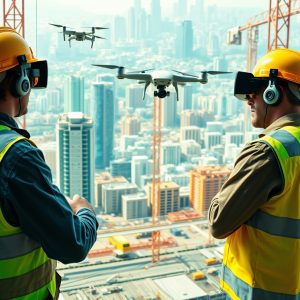
Smart site monitoring is another technological innovation that is transforming the construction industry. By using sensors and IoT devices, construction sites can be monitored in real-time, providing valuable data on various aspects of the project. This data can be used to optimize resource allocation, improve safety, and ensure that the construction process stays on schedule. Smart site monitoring also enables predictive maintenance, allowing for proactive identification and resolution of potential issues before they become major problems.
Precision Engineering Methods
Precision engineering methods are essential for achieving the high standards of quality and efficiency required in modern construction. By using advanced tools and techniques, such as 3D printing and robotic automation, construction projects can be executed with greater accuracy and consistency. This precision ensures that the final product meets the design specifications and performs as intended, leading to higher levels of customer satisfaction.
Modular Building Techniques
Modular building techniques are gaining popularity as a sustainable and efficient construction method. By prefabricating building components off-site and assembling them on-site, construction projects can be completed more quickly and with less waste. This approach also allows for greater flexibility and adaptability, as modular components can be easily modified or replaced as needed. Modular building techniques are particularly well-suited for projects that require rapid deployment, such as emergency housing or temporary facilities.
As the construction industry continues to evolve, the integration of technology and sustainability will play a crucial role in shaping the future of building. By embracing innovative methods and practices, construction companies can create buildings that are not only efficient and cost-effective but also environmentally friendly and human-centric. This holistic approach ensures that the final product meets the needs and expectations of all stakeholders, leading to more successful and satisfying outcomes. The future of construction is bright, and with the right tools and strategies, we can build a better, more sustainable world for generations to come.