Low-Cost Housing Technology: Innovative Solutions for Affordable and Sustainable Living
In an era where urbanization is accelerating at an unprecedented pace, the demand for affordable housing has never been more critical. Traditional construction methods often fall short in addressing this need due to high costs, lengthy timelines, and environmental concerns. However, the rise of low-cost housing technology is transforming the landscape of residential construction, offering innovative solutions that are both economical and sustainable. These advancements are not just about reducing expenses; they are about reimagining how we build communities for the future.
The Evolution of Low-Cost Housing Technology
Low-cost housing technology has evolved significantly over the past few decades, driven by the need to provide safe, durable, and affordable shelter to growing populations. Early attempts focused on simplifying construction techniques and using locally available materials to cut costs. While these methods provided temporary relief, they often lacked durability and sustainability. Today, the focus has shifted toward integrating advanced materials, modular designs, and smart technologies to create housing solutions that are not only affordable but also resilient and eco-friendly.
One of the most notable advancements in this field is the use of prefabricated home systems. These systems involve manufacturing building components in a controlled factory environment before transporting them to the construction site for assembly. This approach significantly reduces construction time, labor costs, and material waste, making it an ideal solution for low-cost housing projects. Prefabricated homes can be customized to meet specific needs, ensuring that affordability does not come at the expense of quality or aesthetics.
Advanced Building Materials: The Backbone of Affordable Housing
The choice of building materials plays a crucial role in determining the cost, durability, and sustainability of housing projects. Traditional materials like brick and mortar are often expensive and resource-intensive. In contrast, advanced building materials such as autoclaved aerated concrete (AAC), compressed earth blocks, and recycled steel offer a more cost-effective and environmentally friendly alternative.
AAC, for instance, is a lightweight material that provides excellent thermal insulation, reducing energy consumption for heating and cooling. Its production process also generates minimal waste, making it a sustainable choice for low-cost housing. Similarly, compressed earth blocks, made from locally sourced soil, offer a low-cost and low-carbon alternative to conventional bricks. These materials not only reduce construction costs but also contribute to the long-term sustainability of the built environment.
Modular Construction: Speed and Efficiency
Modular construction is another game-changer in the realm of low-cost housing. This method involves constructing entire sections of a building off-site in a factory setting, where quality control is easier to maintain. Once completed, these modules are transported to the site and assembled like building blocks. The speed and efficiency of modular construction make it an attractive option for large-scale housing projects, particularly in urban areas where space and time are limited.
The benefits of modular construction extend beyond cost savings. By reducing construction time, it minimizes disruptions to local communities and lowers the carbon footprint associated with prolonged building activities. Additionally, the precision of factory-based construction ensures higher quality and consistency, reducing the likelihood of defects and maintenance issues down the line.
Smart Technology for Sustainable Living
While affordability is a primary concern, sustainability is equally important in modern low-cost housing projects. Integrating smart building technology can enhance energy efficiency, reduce utility costs, and improve the overall quality of life for residents. For example, smart thermostats and energy-efficient lighting systems can significantly lower electricity bills, making housing more affordable in the long run. Solar panels and rainwater harvesting systems can further reduce reliance on external resources, promoting self-sufficiency.
Moreover, smart technology can improve the safety and security of low-cost housing developments. IoT-enabled sensors can monitor structural integrity, detect leaks, and even alert residents to potential hazards like gas leaks or fires. These innovations not only enhance the livability of affordable housing but also contribute to the broader goal of creating sustainable and resilient communities.
Urban Infrastructure and Community-Centric Design
Low-cost housing technology is not just about the buildings themselves; it also encompasses the infrastructure and community design that support them. Urban infrastructure projects must prioritize accessibility, connectivity, and sustainability to ensure that affordable housing developments are integrated into the fabric of the city. This includes providing reliable public transportation, green spaces, and essential services like healthcare and education.
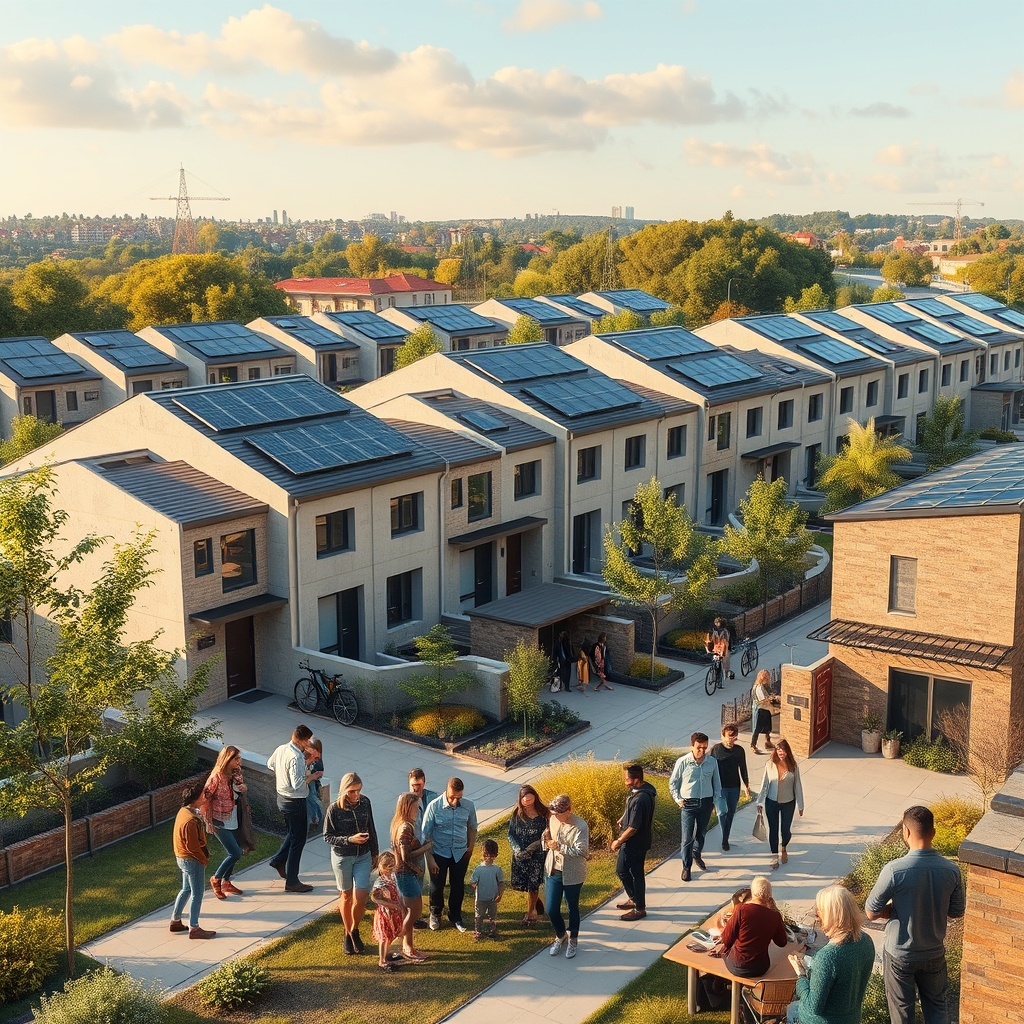
Community-centric design is another critical aspect of low-cost housing. By involving residents in the planning and design process, developers can create spaces that reflect the needs and aspirations of the community. This approach fosters a sense of ownership and pride, leading to better maintenance and long-term sustainability. Additionally, mixed-use developments that combine residential, commercial, and recreational spaces can create vibrant, self-sustaining neighborhoods that enhance the quality of life for all residents.
As the world grapples with the challenges of rapid urbanization and climate change, the importance of affordable and sustainable housing cannot be overstated. Low-cost housing technology offers a beacon of hope, demonstrating that it is possible to build communities that are both economically viable and environmentally responsible. By embracing innovation, collaboration, and a commitment to sustainability, we can create a future where everyone has access to safe, dignified, and affordable housing. The journey toward this future begins with rethinking how we build, one home at a time.