Innovative Foundation Systems: The Bedrock of Sustainable and Human-Centric Construction
In the ever-evolving landscape of construction, the foundation of a building is no longer just about stability—it’s about sustainability, efficiency, and human-centric design. Innovative foundation systems are redefining how we approach construction, blending cutting-edge technology with eco-friendly practices to create structures that are as resilient as they are responsible. These advancements are not just transforming the way we build; they are shaping the future of urban development, ensuring that every project stands on solid ground—literally and metaphorically.
The Evolution of Foundation Systems
Traditional foundation systems, such as spread footings, slab-on-grade, and deep foundations, have long been the backbone of construction. However, as urbanization accelerates and environmental concerns grow, the limitations of these conventional methods have become increasingly apparent. Issues like soil instability, high material consumption, and lengthy construction timelines have prompted the industry to seek alternatives that are both efficient and sustainable.
Enter innovative foundation systems—solutions that leverage precision engineering, modular techniques, and smart materials to address these challenges. From helical piles to geosynthetic-reinforced soil, these systems are designed to minimize environmental impact while maximizing structural integrity. They represent a shift toward a more adaptive and responsive approach to construction, one that prioritizes both the planet and the people who inhabit these spaces.
Helical Piles: A Game-Changer in Sustainable Foundations
One of the most promising innovations in foundation systems is the use of helical piles. These screw-like steel piles are twisted into the ground, providing a stable base for structures with minimal disruption to the surrounding environment. Unlike traditional concrete foundations, helical piles require no excavation, reducing soil displacement and preserving the natural landscape. This makes them an ideal choice for projects in sensitive ecosystems or urban areas where space is limited.
Helical piles also offer significant advantages in terms of efficiency. They can be installed quickly, often in a matter of hours, and are immediately load-bearing, eliminating the need for curing time. This not only accelerates project timelines but also reduces labor costs and material waste. Additionally, helical piles are reusable and recyclable, aligning with the principles of circular construction and sustainable resource allocation.
Geosynthetic-Reinforced Soil: Strengthening Foundations with Smart Materials
Another groundbreaking innovation is geosynthetic-reinforced soil (GRS), a technique that combines layers of geosynthetic materials with compacted soil to create a stable foundation. GRS systems are particularly effective in areas with poor soil conditions, as they distribute loads evenly and reduce the risk of settlement. This method is not only cost-effective but also environmentally friendly, as it minimizes the need for concrete and other resource-intensive materials.
GRS foundations are also highly adaptable, making them suitable for a wide range of projects, from residential buildings to large-scale infrastructure. Their flexibility allows for creative design solutions, enabling architects and engineers to push the boundaries of what’s possible in construction. By integrating GRS with other sustainable building methods, such as modular construction, projects can achieve a higher level of efficiency and resilience.
Human-Centric Design: Building Foundations with Empathy
While innovation in foundation systems is often driven by technological advancements, it’s essential not to overlook the human element. Human-centric design ensures that these systems are not only functional but also considerate of the needs and experiences of the people who interact with them. This means prioritizing accessibility, safety, and comfort in every aspect of the foundation’s design and implementation.
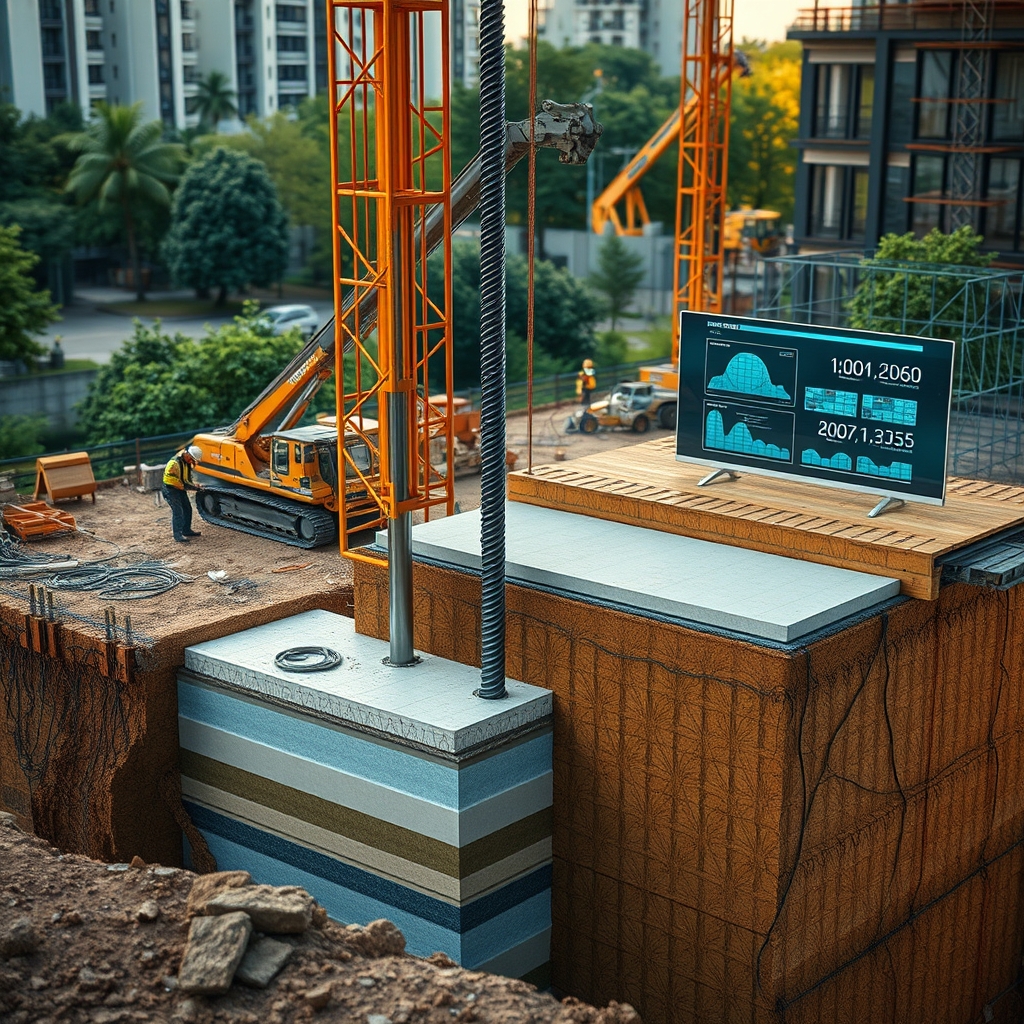
For example, foundation systems that incorporate smart monitoring technology can provide real-time data on structural performance, allowing for proactive maintenance and reducing the risk of failures. This not only enhances safety but also fosters a sense of trust and transparency between builders and occupants. Similarly, foundations designed with modular techniques can be easily adapted to accommodate future changes, such as expansions or renovations, ensuring that buildings remain relevant and functional for decades to come.
Eco-Friendly Material Selection: The Foundation of Sustainability
The materials used in foundation systems play a crucial role in determining their environmental impact. Innovative systems are increasingly incorporating eco-friendly materials, such as recycled steel, low-carbon concrete, and bio-based composites, to reduce their carbon footprint. These materials not only minimize waste but also contribute to the overall sustainability of the project, aligning with global efforts to combat climate change.
For instance, low-carbon concrete, which replaces a portion of traditional cement with supplementary cementitious materials like fly ash or slag, can significantly reduce greenhouse gas emissions. Similarly, bio-based composites, made from renewable resources like hemp or bamboo, offer a sustainable alternative to conventional materials while maintaining high performance. By prioritizing eco-friendly material selection, foundation systems can become a cornerstone of sustainable construction.
The Future of Foundation Systems: A Collaborative Approach
The future of foundation systems lies in collaboration—between architects, engineers, contractors, and clients. By fostering a collaborative building design process, projects can benefit from diverse perspectives and expertise, leading to more innovative and effective solutions. This approach also ensures that the needs of all stakeholders are considered, from the initial planning stages to the final implementation.
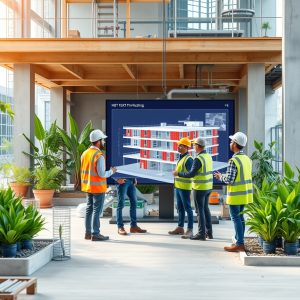
Digital tools, such as Building Information Modeling (BIM) and digital twin technology, are playing a pivotal role in this collaborative process. These tools enable real-time project transparency, allowing teams to visualize and simulate foundation systems before construction begins. This not only reduces the risk of errors but also enhances communication and coordination, ensuring that every aspect of the project is aligned with its sustainability and human-centric goals.
As the construction industry continues to evolve, innovative foundation systems will remain at the forefront of sustainable and human-centric building practices. By embracing precision engineering, modular techniques, and eco-friendly materials, these systems are not just supporting structures—they are laying the groundwork for a more resilient and responsible future. The choices we make today in how we build our foundations will determine the legacy we leave for generations to come, shaping the cities and communities of tomorrow with intention, innovation, and care.