The Future of Construction: How Immersive Tech and Lean Practices Are Crafting Sustainable, Human-Centric Sites
In the ever-evolving landscape of construction, the integration of immersive technology and lean practices is heralding a new era of sustainable and human-centric building. This synergy is not just about efficiency; it’s about redefining the very essence of construction, making it more sustainable, adaptable, and responsive to human needs.
Immersive Construction Planning
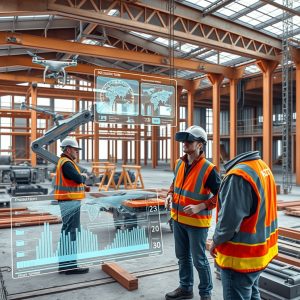
Immersive technology, particularly virtual reality (VR) and augmented reality (AR), is revolutionizing the way construction projects are planned and executed. By creating a digital twin of the construction site, stakeholders can visualize the project in 3D, identify potential issues, and make informed decisions before any physical work begins. This not only reduces the risk of errors but also enhances the overall quality of the project.
Digital Twin Site Management
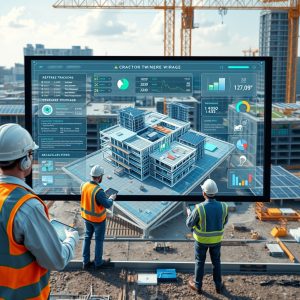
Digital twin technology extends beyond planning to site management. It allows for real-time monitoring and management of the construction site. Sensors and IoT devices provide data on various aspects of the site, from weather conditions to the status of construction materials. This data is then used to optimize site operations, ensuring that resources are used efficiently and effectively.
Lean Construction Practices
Lean construction is a methodology that focuses on maximizing efficiency and minimizing waste. It emphasizes the importance of collaboration, continuous improvement, and respect for people. By applying lean principles, construction teams can streamline processes, reduce costs, and improve project outcomes.
Collaborative Building Design
Collaborative building design is a key aspect of lean construction. It involves bringing together architects, engineers, contractors, and other stakeholders to design the building. This collaborative approach ensures that everyone’s input is considered, leading to a more integrated and efficient design.
Human-Centric Structural Design
In the heart of this technological and methodological evolution lies a fundamental shift towards human-centric structural design. This approach prioritizes the well-being and comfort of the building’s occupants, ensuring that the design is not only functional but also responsive to human needs and behaviors.
Eco-Friendly Material Selection
Eco-friendly material selection is a crucial part of human-centric design. By using sustainable materials, construction projects can reduce their environmental impact and contribute to the creation of healthier, more livable spaces. This not only benefits the environment but also the people who will use the building.
Smart Site Monitoring
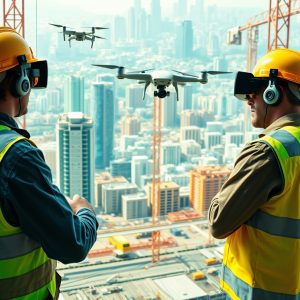
Smart site monitoring is another area where technology is making a significant impact. By using IoT devices and sensors, construction teams can monitor various aspects of the site in real-time. This allows for proactive management of the site, ensuring that any issues are identified and addressed promptly.
Tech-Integrated Site Supervision
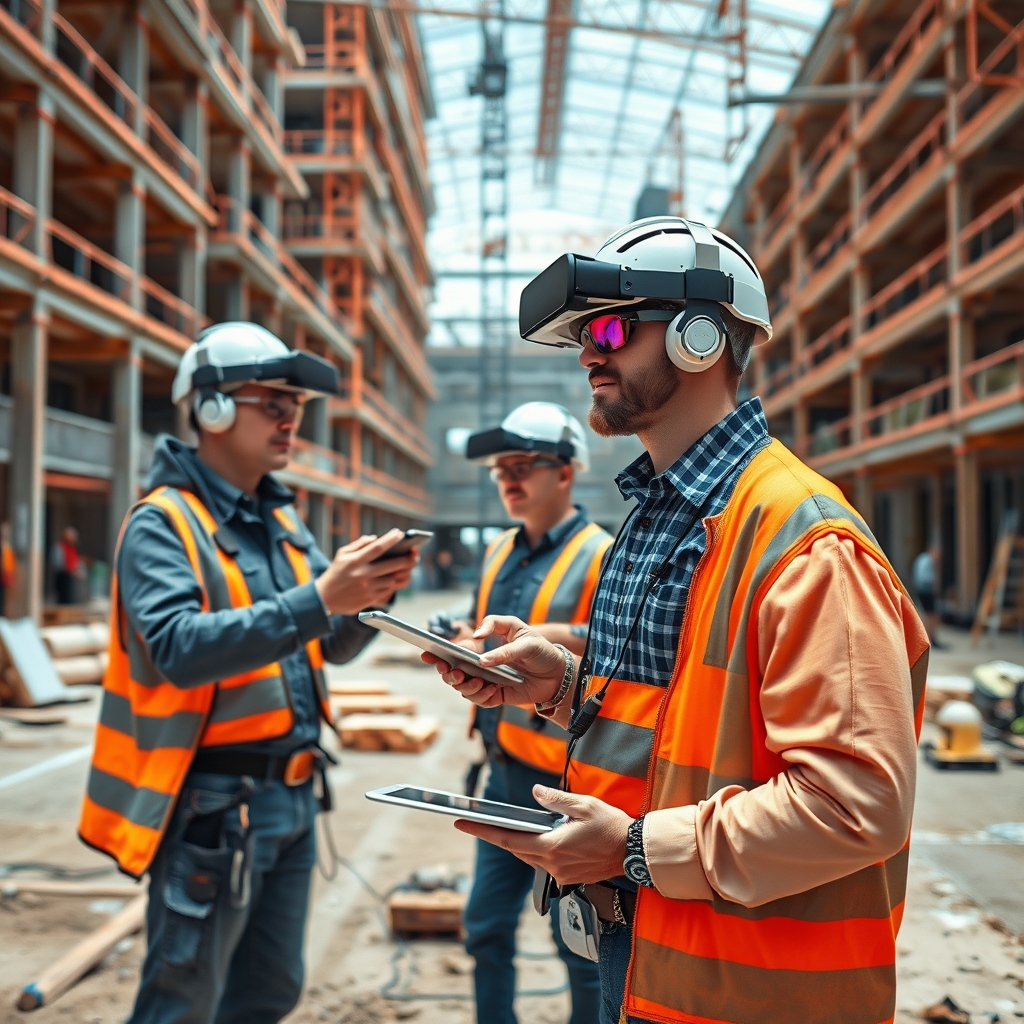
Tech-integrated site supervision takes smart site monitoring a step further. By integrating technology into the supervision process, construction teams can gain a more comprehensive understanding of the site. This not only improves the quality of supervision but also enhances the overall efficiency of the construction process.
The future of construction is not just about building structures; it’s about creating spaces that are sustainable, efficient, and responsive to human needs. By integrating immersive technology and lean practices, construction teams can achieve this vision, crafting sites that are not only functional but also inspiring.