The Concrete Horizon: How Marine Infrastructure is Redefining the Ethics of Urban Expansion at Sea
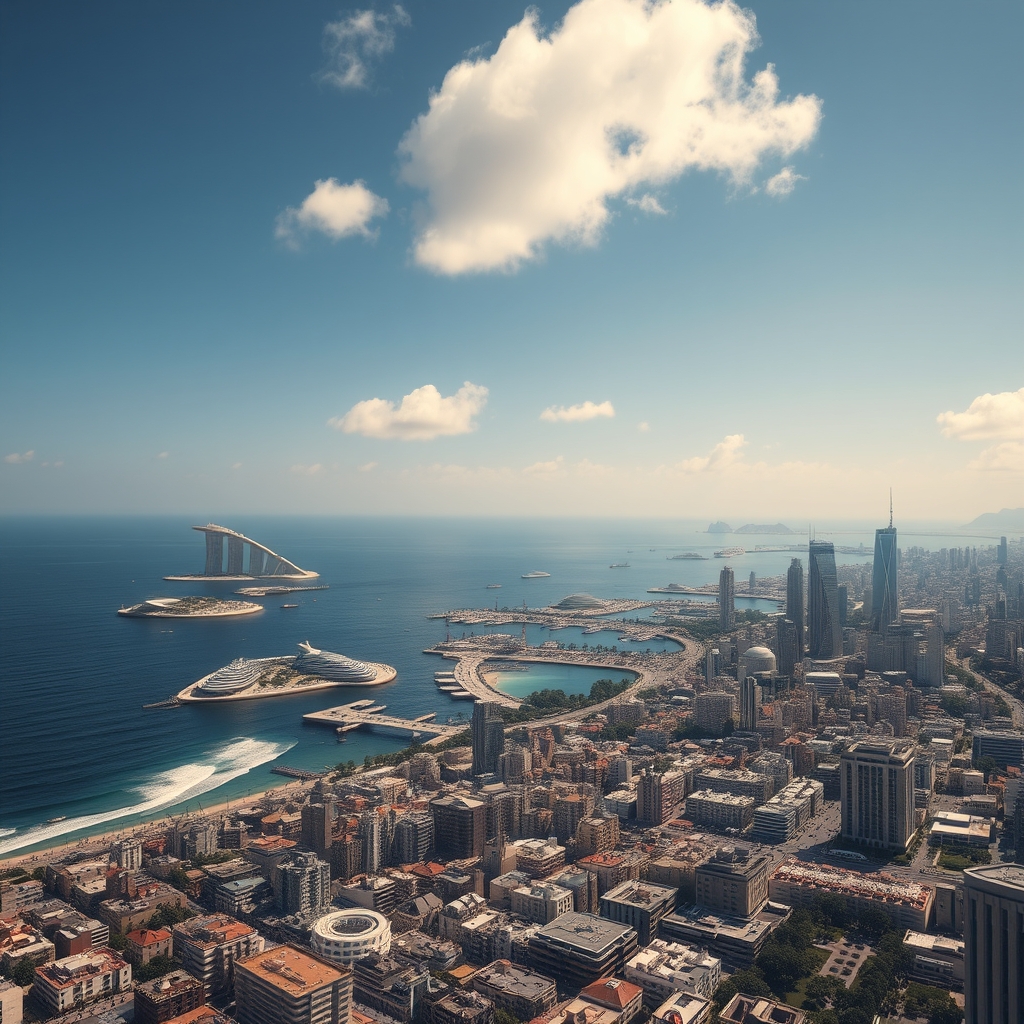
In the relentless pursuit of urban expansion, the world’s coastal regions are becoming the new battlegrounds for human ambition. The rise of marine infrastructure, from artificial archipelagos to floating real estate, is reshaping the very fabric of our cities, raising profound ethical questions about our relationship with the ocean.
The New Frontier of Urban Expansion
Coastal cities, once the epitome of human ingenuity, are now facing a crisis of space. With populations growing and land becoming increasingly scarce, the ocean is being seen as the ultimate solution. This has led to a surge in land reclamation projects, where vast areas of the sea are transformed into land. However, this rapid expansion is not without its consequences.
The Ethics of Land Reclamation
The ethics of land reclamation are complex and multifaceted. On one hand, it offers a solution to the housing crisis, providing much-needed space for urban expansion. On the other, it poses significant environmental and social challenges. The process of land reclamation can lead to the destruction of marine ecosystems, disrupting the delicate balance of the ocean.
The Rise of Artificial Archipelagos
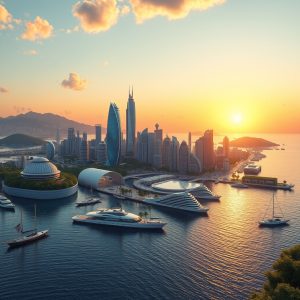
Artificial archipelagos, or man-made islands, are a prime example of this trend. These islands, often created through the dredging of sand and the placement of rocks, are designed to serve as new urban centers. However, the creation of these islands is not without its controversies. The process of dredging can lead to the loss of marine life, and the placement of rocks can disrupt the natural flow of the ocean.
The Promise and Peril of Floating Real Estate
Floating real estate is another form of marine infrastructure that is gaining traction. These structures, often made of concrete or steel, are designed to float on the water, providing a stable platform for urban development. While this offers a solution to the problem of land scarcity, it also raises ethical questions about our relationship with the ocean. The construction of these structures can lead to the destruction of marine ecosystems, and their placement in the ocean can disrupt the natural flow of the water.
The Need for Coastal Resilience
As the world’s coastal regions become more urbanized, the need for coastal resilience becomes increasingly important. This involves the development of strategies and technologies that can help cities withstand the impacts of climate change, such as sea level rise and storm surges. However, the development of these strategies is not without its challenges. The implementation of these strategies can be costly and time-consuming, and they may not be able to fully protect cities from the impacts of climate change.
The Future of Marine Infrastructure
The future of marine infrastructure is uncertain, but one thing is clear: the ocean will continue to play a crucial role in the urban expansion of the world’s coastal cities. The development of this infrastructure will be shaped by a complex interplay of ethical, environmental, and social factors. As we continue to push the boundaries of human ingenuity, it is essential that we do so in a way that is sustainable and respectful of the ocean.