Crafting the Future: How Immersive Tech and Lean Practices Are Redefining Sustainable Construction

In the ever-evolving landscape of construction, the integration of immersive technology and lean practices is heralding a new era of sustainable building. This synergy is not merely a trend but a transformative force that is redefining the way we approach construction projects. By merging the power of digital twins, real-time project transparency, and human-centric design, we are crafting smarter, greener, and more efficient construction sites.
Immersive Construction Planning
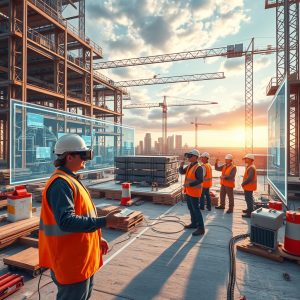
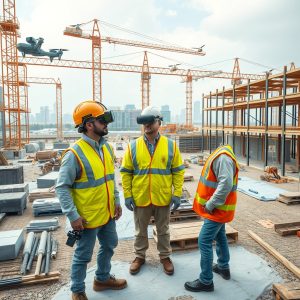
Immersive construction planning is a revolutionary approach that leverages virtual reality (VR) and augmented reality (AR) to create a digital twin of the construction site. This digital twin is a dynamic, interactive model that allows stakeholders to visualize the project in a 3D environment. By stepping into the digital twin, project managers, architects, and engineers can identify potential issues, optimize workflows, and make informed decisions before any physical work begins.
The benefits of immersive construction planning are manifold. It enables stakeholders to experience the project as if they were physically present, fostering a deeper understanding and appreciation of the design and layout. This experiential approach can lead to more innovative solutions and a higher quality of construction. Moreover, it reduces the risk of errors and rework, saving time and resources.
Lean Construction Practices
Lean construction practices, rooted in the principles of lean manufacturing, focus on eliminating waste, optimizing workflows, and enhancing value for the customer. By applying lean principles to construction, we can achieve significant improvements in efficiency, quality, and sustainability.
Lean construction involves continuous improvement, just-in-time delivery, and a strong emphasis on teamwork and collaboration. It encourages the involvement of all stakeholders in the decision-making process, fostering a culture of shared responsibility and accountability. This collaborative approach can lead to more innovative solutions and a higher quality of construction.
Moreover, lean construction practices promote the use of eco-friendly materials and sustainable building methods. By minimizing waste and optimizing resource allocation, we can reduce the environmental impact of construction projects. This not only benefits the planet but also enhances the long-term value and resilience of the buildings.
Smart Site Monitoring
Smart site monitoring is another key component of the immersive tech and lean practices approach. By integrating sensors, IoT devices, and other smart technologies into the construction site, we can monitor and manage the project in real-time. This real-time project transparency provides valuable insights into the project’s progress, performance, and safety.
Smart site monitoring enables stakeholders to track the project’s key performance indicators (KPIs), such as progress, quality, and safety. It also allows them to identify potential issues and risks early on, enabling proactive decision-making and corrective actions. By leveraging the power of data and analytics, we can optimize workflows, enhance productivity, and improve the overall quality of construction.
Moreover, smart site monitoring promotes a culture of accountability and transparency. By providing real-time data and insights, it encourages stakeholders to take ownership of their roles and responsibilities. This not only improves the project’s outcomes but also fosters a more collaborative and inclusive work environment.
Human-Centric Structural Design
Human-centric structural design is a philosophy that places the needs and well-being of the building’s users at the forefront of the design process. By integrating human factors into the design of the building’s structure, we can create spaces that are not only functional and efficient but also comfortable, healthy, and inspiring.
Human-centric structural design involves the use of advanced building materials, innovative construction techniques, and smart building technologies. It also emphasizes the importance of collaboration, communication, and teamwork in the design and construction process. By involving all stakeholders in the decision-making process, we can ensure that the building’s design meets the unique needs and preferences of its users.
Moreover, human-centric structural design promotes the use of sustainable and eco-friendly materials. By prioritizing the health and well-being of the building’s users, we can create spaces that are not only beautiful and functional but also environmentally responsible and resilient.
The integration of immersive technology, lean practices, smart site monitoring, and human-centric design is revolutionizing the construction industry. By leveraging the power of these innovative approaches, we are crafting smarter, greener, and more efficient construction sites. This not only benefits the environment but also enhances the quality of life for the building’s users. As we continue to embrace these transformative forces, we are paving the way for a more sustainable and resilient future.