The Future of Construction: How Digital Twins and Human-Centric Design Are Crafting Smarter, Greener Sites

Construction sites are no longer just about bricks, mortar, and manual labor. Today, they are dynamic ecosystems where technology and human ingenuity converge to create structures that are not only efficient but also sustainable and responsive to the needs of their occupants. At the heart of this transformation lies the integration of digital twins and human-centric design, two powerful forces that are redefining how we plan, execute, and manage construction projects. Together, they are paving the way for smarter, greener, and more adaptive building sites.
The Rise of Digital Twins in Construction
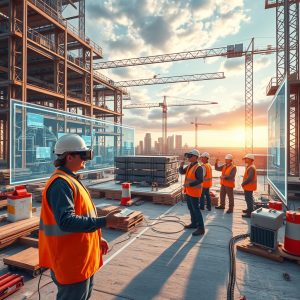
A digital twin is a virtual replica of a physical construction site, updated in real-time with data from sensors, drones, and other IoT devices. This technology allows project managers to simulate, analyze, and optimize every aspect of a construction project before a single shovel hits the ground. By creating a digital twin, teams can identify potential issues, test different scenarios, and make data-driven decisions that reduce waste, improve efficiency, and enhance safety.
For example, digital twins can simulate the impact of weather conditions on construction timelines, allowing teams to adjust schedules proactively. They can also model the flow of materials and labor, ensuring that resources are allocated efficiently and that bottlenecks are minimized. This level of precision is particularly valuable in large-scale projects where even minor delays or missteps can have significant financial and environmental consequences.
Human-Centric Design: Putting People First
While digital twins provide the technological backbone for modern construction, human-centric design ensures that the end result is not just efficient but also meaningful and adaptable to the people who will use it. Human-centric design prioritizes the needs, comfort, and well-being of occupants, whether they are residents, workers, or visitors. This approach goes beyond aesthetics to consider factors like accessibility, indoor air quality, natural lighting, and even the psychological impact of space.
Incorporating human-centric design into construction projects often involves collaborative processes where architects, engineers, and end-users work together to create spaces that are functional, inclusive, and sustainable. For instance, modular building techniques can be used to create flexible layouts that can adapt to changing needs over time. Similarly, eco-friendly materials can be selected not only for their sustainability but also for their ability to enhance the health and comfort of occupants.
The Synergy of Digital Twins and Human-Centric Design
The true power of modern construction lies in the synergy between digital twins and human-centric design. Digital twins provide the data and insights needed to optimize every phase of a project, while human-centric design ensures that the final structure is aligned with the needs and values of its users. Together, they enable a level of precision and adaptability that was previously unimaginable.
Consider a hospital construction project. A digital twin can simulate patient flow, staff movement, and equipment placement to optimize the layout for efficiency and safety. Meanwhile, human-centric design principles can ensure that the space is welcoming, accessible, and conducive to healing. The result is a facility that not only meets operational goals but also enhances the well-being of its occupants.
Sustainability at the Core
One of the most significant benefits of integrating digital twins and human-centric design is the ability to prioritize sustainability without compromising on quality or functionality. Digital twins can model the environmental impact of different materials and construction methods, allowing teams to choose options that minimize carbon footprints and resource consumption. For example, they can simulate the energy performance of a building to identify opportunities for improvement, such as better insulation or renewable energy integration.
Human-centric design further reinforces sustainability by focusing on long-term usability and adaptability. A building designed with the needs of its occupants in mind is more likely to be maintained, upgraded, and repurposed over time, reducing the need for demolition and reconstruction. This approach not only conserves resources but also fosters a deeper connection between people and their built environment.
Real-World Applications and Success Stories
Across the globe, construction projects are already leveraging digital twins and human-centric design to achieve remarkable results. In Singapore, the Punggol Digital District is using digital twins to create a smart, sustainable urban environment that integrates seamlessly with its surroundings. The project includes features like automated waste management, energy-efficient buildings, and green spaces designed to enhance the well-being of residents and workers.
In Europe, the Edge in Amsterdam stands as a testament to the power of human-centric design and digital innovation. The building uses a digital twin to monitor energy consumption, occupancy patterns, and indoor environmental quality in real-time. This data is used to optimize the building’s performance while ensuring that occupants have a comfortable and productive workspace. The Edge has achieved the highest sustainability rating in the world, proving that technology and human-centric design can coexist harmoniously.
Overcoming Challenges and Embracing the Future
Despite the clear benefits, integrating digital twins and human-centric design into construction projects is not without its challenges. One of the biggest hurdles is the need for collaboration and communication among diverse stakeholders, including architects, engineers, contractors, and end-users. Digital twins can facilitate this collaboration by providing a shared platform for data and insights, but it requires a cultural shift within the industry to embrace these new ways of working.
Another challenge is the initial investment required to implement digital twin technology. While the long-term benefits are undeniable, the upfront costs can be a barrier for smaller firms or projects with tight budgets. However, as the technology becomes more widespread and accessible, these costs are expected to decrease, making it a viable option for projects of all sizes.
The construction industry is on the cusp of a revolution, one where technology and human-centric principles come together to create buildings that are not only efficient and sustainable but also deeply connected to the people who use them. Digital twins and human-centric design are not just tools; they are the foundation of a new era of construction, one where every decision is informed by data, every design is shaped by empathy, and every structure is built to last. As we move forward, the integration of these approaches will not only redefine how we build but also how we live, work, and interact with the world around us.