From Vision to Reality: How Immersive Construction Planning and Precision Engineering Are Crafting the Next Generation of Sustainable Buildings
In an era where sustainability is no longer a choice but a necessity, the construction industry is undergoing a profound transformation. The fusion of immersive construction planning and precision engineering is not just enhancing efficiency but also redefining how we conceptualize, design, and execute building projects. These advancements are paving the way for structures that are not only environmentally responsible but also deeply attuned to the needs of their occupants.
The Power of Immersive Construction Planning
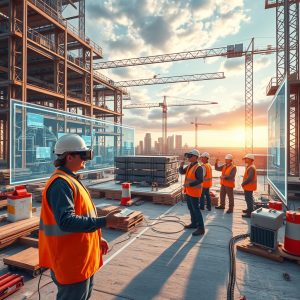
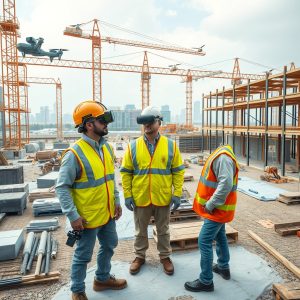
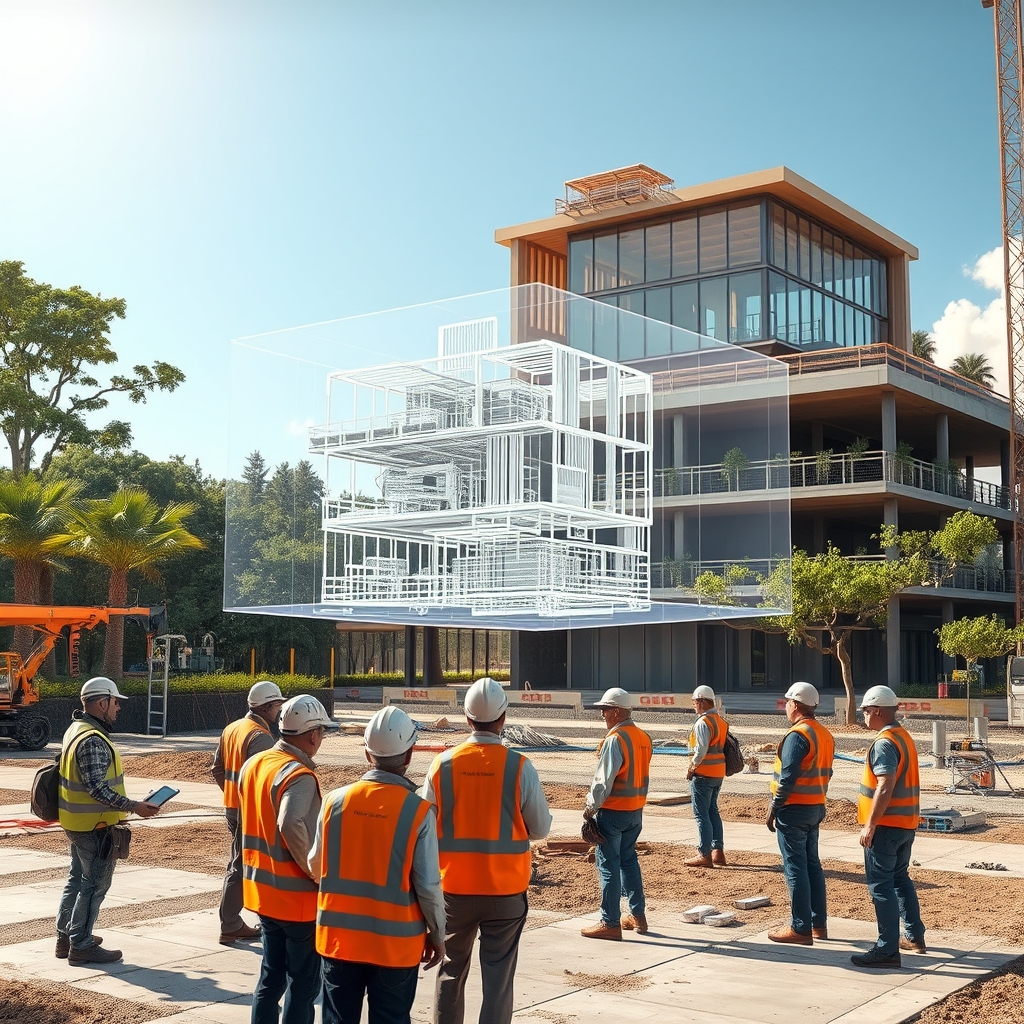
Immersive construction planning leverages cutting-edge technologies like virtual reality (VR), augmented reality (AR), and digital twins to create a dynamic, interactive environment where stakeholders can visualize and refine projects before a single brick is laid. This approach transcends traditional blueprints by offering a 360-degree view of the project, enabling architects, engineers, and clients to walk through virtual spaces, identify potential issues, and make informed decisions in real time.
For instance, digital twins—virtual replicas of physical structures—allow teams to simulate construction sequences, test material performance, and even predict maintenance needs over the building’s lifecycle. This level of foresight minimizes waste, reduces costs, and ensures that every decision aligns with sustainability goals. By integrating immersive planning tools, construction teams can also enhance collaboration, breaking down silos between disciplines and fostering a shared vision for the project.
Precision Engineering: The Backbone of Sustainable Structures
Precision engineering takes construction to a new level of accuracy and efficiency. Advanced techniques such as laser scanning, 3D modeling, and automated fabrication ensure that every component of a building is designed and executed with meticulous detail. This not only improves the structural integrity of the project but also optimizes resource use, reducing material waste and energy consumption.
One of the most significant benefits of precision engineering is its ability to support modular building techniques. By prefabricating components in controlled factory environments, construction teams can achieve higher quality control, faster assembly times, and reduced on-site disruptions. This method is particularly effective in urban settings, where space constraints and environmental regulations demand innovative solutions. Moreover, modular construction aligns perfectly with sustainable building practices, as it allows for the reuse and recycling of materials, further minimizing the project’s carbon footprint.
Human-Centric Design: Putting People First
While technology drives innovation, the heart of sustainable construction lies in its focus on human-centric design. This philosophy prioritizes the well-being, comfort, and productivity of building occupants, ensuring that structures are not only efficient but also livable. Human-centric design considers factors such as natural lighting, air quality, acoustics, and ergonomic layouts to create spaces that enhance the quality of life for those who inhabit them.
For example, smart site monitoring systems can track environmental conditions in real time, allowing teams to adjust designs to optimize energy use and indoor comfort. Similarly, eco-friendly material selection plays a crucial role in human-centric design, as it ensures that buildings are free from harmful toxins and contribute to a healthier indoor environment. By integrating these elements, construction projects can achieve a harmonious balance between sustainability and human well-being.
Real-Time Transparency: Building Trust Through Technology
Transparency is a cornerstone of modern construction, and real-time project monitoring tools are making it easier than ever to achieve. Platforms that provide live updates on project progress, resource allocation, and compliance with sustainability standards foster trust among stakeholders, including clients, contractors, and regulatory bodies. This level of transparency not only enhances accountability but also enables proactive problem-solving, ensuring that projects stay on track and within budget.
For clients, real-time transparency offers a unique opportunity to engage with the construction process, providing feedback and making informed decisions at every stage. This participatory approach not only strengthens client relationships but also ensures that the final product aligns with their vision and values. In an industry where delays and cost overruns are common, real-time transparency is a game-changer, driving efficiency and fostering a culture of collaboration.
The Future of Sustainable Construction
The integration of immersive planning, precision engineering, and human-centric design is not just a trend but a fundamental shift in how we approach construction. These methods are enabling the creation of buildings that are smarter, greener, and more responsive to the needs of their occupants. As technology continues to evolve, the possibilities for sustainable construction are limitless, offering new ways to reduce environmental impact while enhancing the quality of life for future generations.
The construction sites of tomorrow will be defined by their ability to adapt, innovate, and prioritize both people and the planet. By embracing these advanced methods, the industry can move beyond traditional constraints and build a future where sustainability and human-centric design go hand in hand, creating spaces that are not only functional but also inspiring and resilient.