Building the Future: How Technology and Sustainability Are Reshaping Construction
The construction industry is undergoing a profound transformation, driven by the urgent need for sustainability and the rapid advancement of technology. As urbanization accelerates and environmental concerns grow, the sector is embracing innovative methods to create structures that are not only efficient and durable but also environmentally responsible. This shift is not just about adopting new tools; it’s about reimagining the entire construction process from the ground up.
The Rise of Sustainable Building Methods
Sustainability has moved from being a buzzword to a cornerstone of modern construction. Traditional building practices often prioritize cost and speed over environmental impact, but the tide is turning. Today, architects, engineers, and builders are increasingly focused on eco-friendly material selection and lean construction practices to minimize waste and reduce carbon footprints. Materials like cross-laminated timber (CLT), recycled steel, and low-carbon concrete are gaining popularity for their ability to deliver strength and durability while significantly lowering emissions.
Beyond materials, modular building techniques are revolutionizing the way structures are assembled. By prefabricating components in controlled factory environments, construction teams can reduce on-site waste, improve quality control, and accelerate project timelines. This approach not only enhances efficiency but also aligns with the principles of efficient resource allocation, ensuring that every material and labor hour is used optimally.
Immersive and Collaborative Design
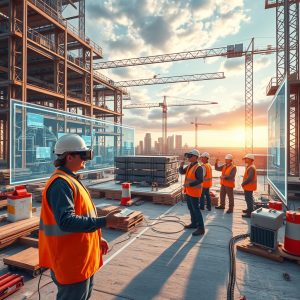
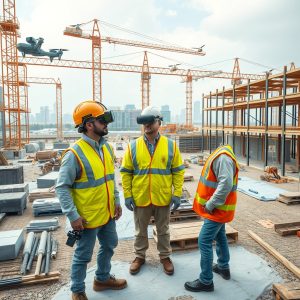
The design phase of construction has traditionally been siloed, with architects, engineers, and contractors working in isolation. However, the advent of collaborative building design and immersive construction planning is breaking down these barriers. Tools like Building Information Modeling (BIM) and virtual reality (VR) are enabling stakeholders to visualize projects in three dimensions, identify potential issues before they arise, and make real-time adjustments. This level of collaboration fosters innovation and ensures that all parties are aligned with the project’s goals.
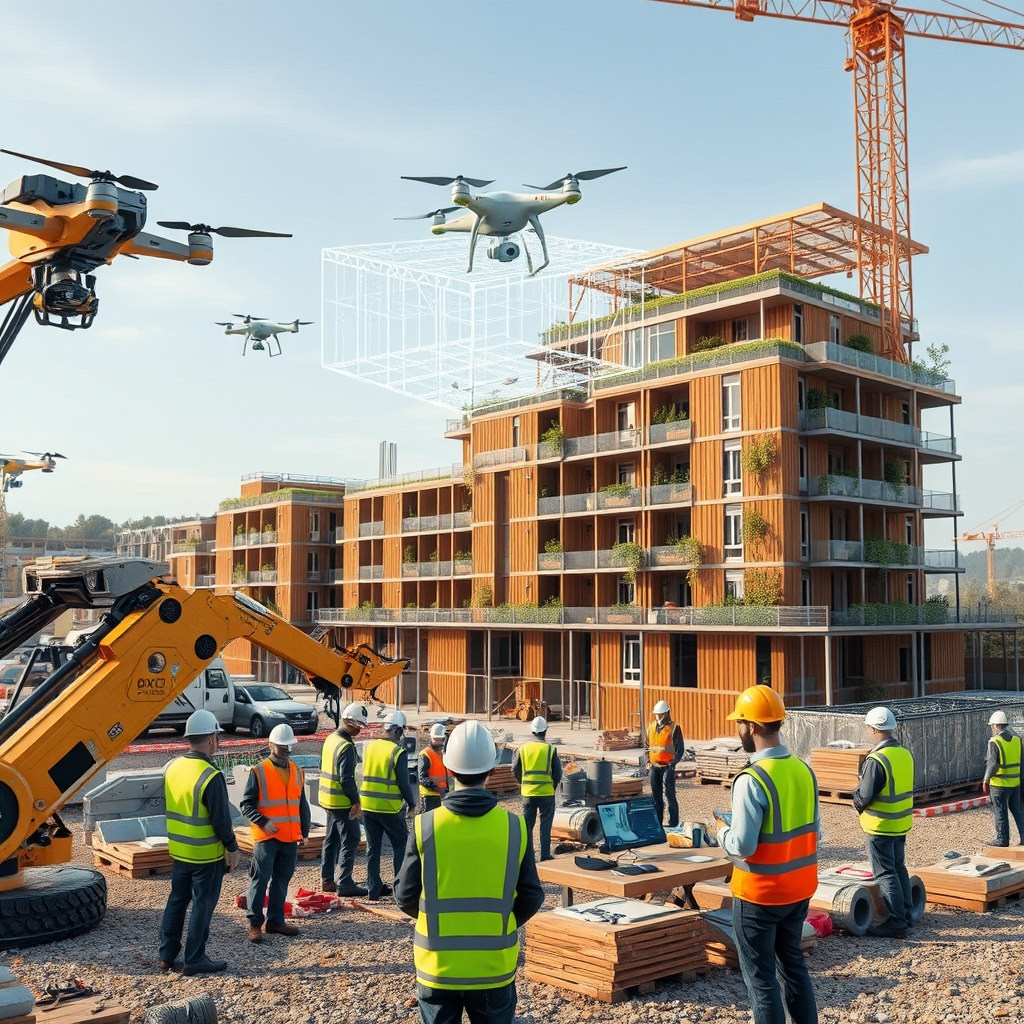
One of the most exciting developments in this space is the use of digital twin site management. A digital twin is a virtual replica of a physical construction site, updated in real time with data from sensors, drones, and other monitoring tools. This technology allows project managers to simulate different scenarios, optimize workflows, and predict potential challenges before they impact the build. By integrating tech-integrated site supervision, construction teams can achieve unprecedented levels of precision and control, reducing delays and cost overruns.
Human-Centric and Adaptive Solutions
While technology is a powerful enabler, the human element remains at the heart of construction. Human-centric structural design prioritizes the well-being of occupants, ensuring that buildings are not only functional but also comfortable, healthy, and inspiring. This approach considers factors like natural lighting, air quality, and ergonomic design to create spaces that enhance productivity and quality of life. Similarly, client participatory building involves end-users in the design process, ensuring that the final product meets their needs and expectations.
Adaptability is another key trend in modern construction. Adaptive construction solutions allow buildings to evolve alongside the changing needs of their occupants. For example, modular interiors can be reconfigured to accommodate new uses, while smart systems can adjust lighting, temperature, and energy consumption based on real-time data. This flexibility not only extends the lifespan of a building but also reduces the need for costly renovations or demolitions.
Precision and Transparency in Construction
Precision engineering has always been a hallmark of quality construction, but today’s tools are taking it to new heights. Automated building processes, such as robotic bricklaying and 3D printing, are enabling builders to achieve levels of accuracy that were once unimaginable. These technologies not only improve efficiency but also reduce the risk of human error, leading to higher-quality outcomes. Meanwhile, smart site monitoring systems provide real-time data on everything from material deliveries to worker safety, ensuring that projects stay on track and within budget.
Transparency is another critical factor in modern construction. Real-time project transparency allows stakeholders to track progress, identify bottlenecks, and make informed decisions. Cloud-based platforms and mobile apps are making it easier than ever for clients, contractors, and suppliers to collaborate and stay updated on project developments. This level of visibility builds trust and accountability, which are essential for successful project delivery.
The Path Forward
The construction industry is at a crossroads, with technology and sustainability offering a clear path forward. By embracing innovative foundation systems, quality-focused construction, and experiential construction workflows, builders can create structures that are not only efficient and durable but also environmentally responsible and human-centered. The integration of digital tools, collaborative design, and adaptive solutions is not just a trend—it’s a fundamental shift in how we approach building. As the industry continues to evolve, those who prioritize innovation and sustainability will lead the way in shaping the future of construction, creating spaces that inspire, endure, and respect the planet we call home.