The Rise of Adaptive Reuse: Transforming Urban Infrastructure with Sustainable Construction Methods and Smart Building Technology
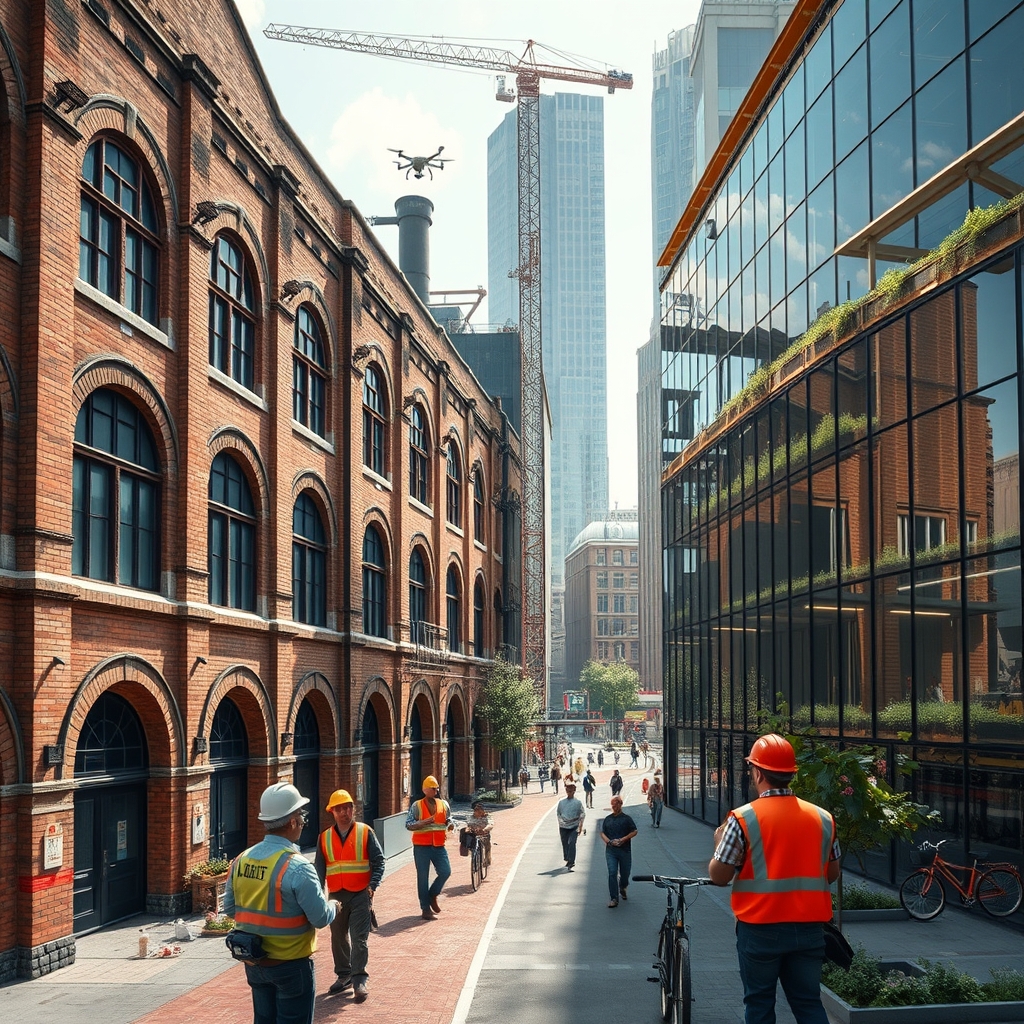
In the heart of bustling cities, where the echoes of history meet the pulse of modernity, a quiet revolution is taking place. Abandoned warehouses, disused factories, and obsolete office buildings are being reborn—not through demolition, but through transformation. Adaptive reuse, a practice that repurposes existing structures for new functions, is emerging as a cornerstone of sustainable urban development. By blending innovative construction methods with cutting-edge smart building technology, this approach is redefining how we think about urban infrastructure, energy efficiency, and the future of our cities.
The Philosophy Behind Adaptive Reuse
At its core, adaptive reuse is about more than just preserving old buildings; it’s about reimagining their potential. Unlike traditional construction, which often starts from scratch, adaptive reuse leverages the embodied energy of existing structures—energy already spent in materials, transportation, and labor. This not only reduces the carbon footprint of new developments but also preserves the cultural and architectural heritage of urban landscapes. Cities like London, Berlin, and New York have become showcases for this philosophy, where former industrial sites now house vibrant co-working spaces, luxury apartments, and even art galleries.
The environmental benefits are undeniable. According to the U.S. Environmental Protection Agency, constructing a new building can generate up to 40% of the carbon emissions associated with its entire lifecycle. By contrast, adaptive reuse can slash these emissions by as much as 75%, making it one of the most effective strategies for achieving green building certification. But the advantages extend beyond sustainability. Adaptive reuse projects often enjoy faster approval processes, reduced construction timelines, and lower costs compared to ground-up developments, making them an attractive option for developers and municipalities alike.
Sustainable Construction Methods: Breathing New Life into Old Structures
Transforming an aging building into a modern, functional space requires a delicate balance of preservation and innovation. Sustainable construction methods play a pivotal role in this process, ensuring that the structural integrity of the original building is maintained while integrating contemporary design and technology. One of the most widely used techniques is the incorporation of precast concrete solutions, which allow for the reinforcement of existing frameworks without the need for extensive demolition. Precast concrete is not only durable and versatile but also significantly reduces construction waste, aligning with the principles of eco-friendly architecture.
Another key method is the use of advanced building materials, such as cross-laminated timber (CLT) and recycled steel. CLT, in particular, has gained traction for its strength, sustainability, and aesthetic appeal. It can be used to create lightweight yet robust additions to existing structures, such as mezzanines or extensions, without overloading the original foundation. Meanwhile, recycled steel—often sourced from decommissioned industrial sites—can be repurposed for structural reinforcements, further reducing the environmental impact of the project.
Modular construction trends are also making their mark in adaptive reuse. Prefabricated components, such as wall panels, flooring systems, and even entire room modules, can be manufactured off-site and assembled on-site with minimal disruption. This approach not only accelerates the construction process but also enhances precision and quality control. For example, a disused factory in Detroit was recently transformed into a mixed-use development featuring modular residential units, commercial spaces, and green rooftops—all while preserving the building’s historic façade.
The Role of Smart Building Technology
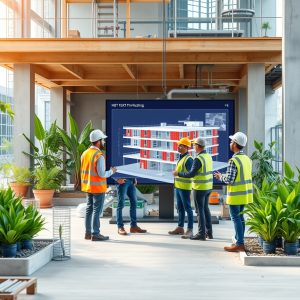
Adaptive reuse projects are not just about preserving the past; they’re about future-proofing urban spaces. Smart building technology is a game-changer in this regard, enabling old structures to meet modern standards of efficiency, comfort, and sustainability. Building Information Modeling (BIM) is at the forefront of this transformation. BIM allows architects, engineers, and contractors to create detailed digital representations of a building, simulating everything from structural integrity to energy performance before any physical work begins. This not only streamlines the design process but also identifies potential challenges early, reducing costly errors and delays.
Energy-efficient design is another critical component. Smart glass installation, for instance, can dynamically adjust its tint based on sunlight exposure, reducing the need for artificial lighting and HVAC systems. This technology, combined with high-performance insulation and solar panels, can turn an old building into a zero-carbon powerhouse. In Amsterdam, a former shipyard was converted into a sustainable office complex featuring smart glass façades, geothermal heating, and rainwater harvesting systems—all of which contributed to its LEED Platinum certification.
Beyond energy efficiency, smart building technology enhances the user experience. IoT-enabled sensors can monitor air quality, occupancy levels, and even structural health in real time, ensuring that the building remains safe and comfortable for its occupants. For residential adaptive reuse projects, this might mean smart thermostats that learn occupants’ preferences or automated lighting systems that adjust based on natural light levels. In commercial spaces, it could involve AI-driven space management tools that optimize floor plans for productivity and collaboration.
Overcoming Challenges: Safety, Compliance, and Community Impact
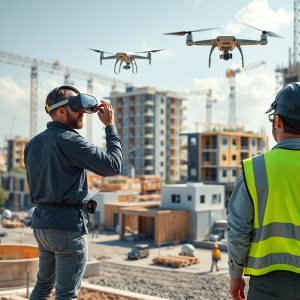
While adaptive reuse offers numerous benefits, it is not without its challenges. Construction site safety is a top priority, particularly when working with older buildings that may contain hazardous materials like asbestos or lead paint. Modern safety protocols, such as drone inspections and wearable technology for workers, are helping to mitigate these risks. Additionally, strict adherence to building codes and green building certification standards ensures that the repurposed structure meets contemporary safety and environmental requirements.
Another hurdle is navigating the regulatory landscape. Zoning laws, historic preservation guidelines, and community opposition can all pose obstacles to adaptive reuse projects. However, many cities are beginning to recognize the value of these initiatives and are updating their policies to encourage them. For example, tax incentives for developers who preserve historic buildings or achieve green building certification have become increasingly common. Community engagement is also key—successful projects often involve local stakeholders in the planning process, ensuring that the new development aligns with the neighborhood’s needs and character.
Urban infrastructure projects that embrace adaptive reuse can also have a profound social impact. By repurposing existing buildings, cities can address housing shortages, create jobs, and revitalize neglected areas. In Barcelona, a former textile factory was transformed into a social housing complex, providing affordable homes for low-income families while preserving the city’s industrial heritage. Similarly, in Pittsburgh, a decommissioned power plant was converted into a mixed-income residential community, complete with green spaces and community gardens. These projects demonstrate how adaptive reuse can foster inclusivity and equity in urban development.
The Future of Adaptive Reuse: Trends and Innovations
As the demand for sustainable urban development grows, so too does the innovation in adaptive reuse. One emerging trend is the integration of biophilic design—an approach that incorporates natural elements into the built environment. Green roofs, living walls, and indoor gardens are becoming common features in repurposed buildings, improving air quality and enhancing well-being. Another trend is the use of 3D printing technology to create custom components for adaptive reuse projects, such as intricate façade details or structural reinforcements. This not only reduces waste but also allows for greater design flexibility.
Looking ahead, the convergence of adaptive reuse and smart city initiatives holds immense promise. Imagine a repurposed warehouse equipped with AI-driven energy management systems, autonomous delivery hubs, and even vertical farms. These buildings could become self-sustaining ecosystems, contributing to the resilience and sustainability of urban infrastructure. Moreover, as cities grapple with the effects of climate change, adaptive reuse offers a practical solution for reducing urban sprawl and preserving green spaces.
In the grand tapestry of urban evolution, adaptive reuse is more than just a trend—it’s a testament to our ability to innovate while honoring the past. By combining sustainable construction methods with smart building technology, we are not only transforming old buildings but also redefining the future of our cities. These projects remind us that progress doesn’t always require starting anew; sometimes, the most visionary solutions are hiding in plain sight, waiting to be rediscovered and reimagined. As we continue to push the boundaries of what’s possible, adaptive reuse stands as a beacon of sustainability, creativity, and resilience in the ever-changing urban landscape.