Blueprint for Tomorrow: How Smart Tech and Eco-Design Are Reshaping Our Skylines
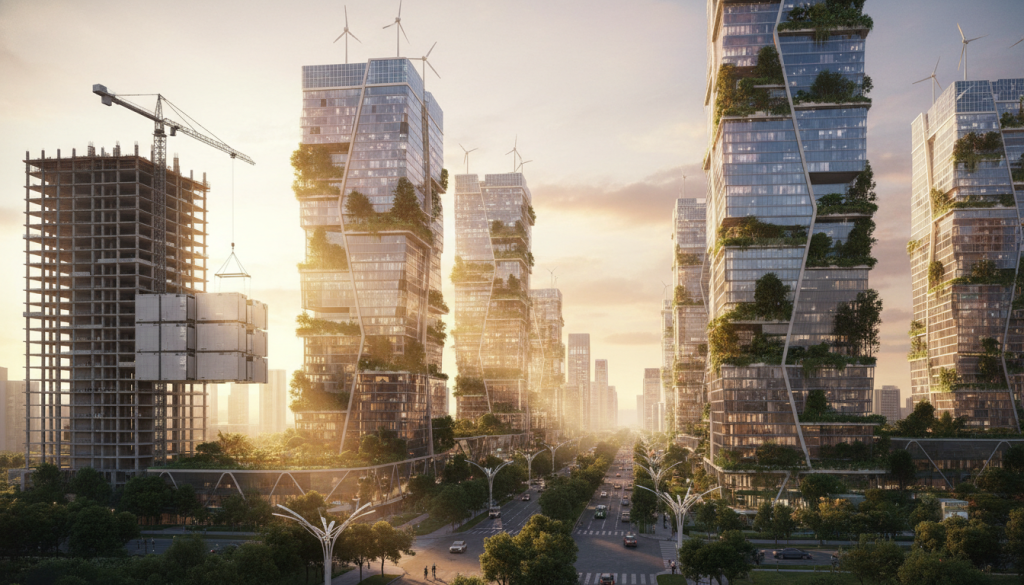
As our global population increasingly gravitates toward urban centers, the demand on our infrastructure and environment has reached unprecedented levels. The traditional methods of erecting concrete jungles are no longer viable in a world grappling with climate change and resource depletion. Instead, a silent revolution is reshaping our skylines, driven by a commitment to sustainability and technological innovation. The construction industry is undergoing a profound transformation, pivoting from resource-heavy practices to intelligent, regenerative systems that promise to redefine how we live, work, and interact with our built environment.
The Push Toward Zero Carbon Buildings
At the forefront of this architectural renaissance is the ambitious pursuit of Zero Carbon Buildings. These structures are designed to operate without generating net-positive carbon emissions over the course of a year. Achieving this requires a holistic approach that begins long before the first foundation is poured. Architects and engineers are prioritizing Energy Efficient Design, utilizing passive heating and cooling strategies, optimizing natural light, and integrating renewable energy sources directly into the building’s framework. By combining solar panels, wind turbines, and geothermal systems, these buildings generate as much energy as they consume, drastically reducing the urban carbon footprint.
Furthermore, achieving Green Building Certification has become a gold standard for commercial and residential developers alike. Certifications such as LEED or BREEAM are no longer just marketing tools; they are rigorous frameworks that ensure every phase of construction adheres to the highest environmental standards. This shift is not merely regulatory but driven by market demand, as tenants and buyers increasingly seek out Eco Friendly Architecture that aligns with their personal and corporate values.
Revolutionizing Frameworks with Advanced Building Materials
The realization of sustainable skylines relies heavily on the evolution of the materials we use. Traditional concrete and steel production are notoriously carbon-intensive, prompting a surge in research and development of Advanced Building Materials. Today’s construction sites are beginning to feature innovations like self-healing concrete, which utilizes bacteria to seal cracks autonomously, extending the lifespan of structures and reducing maintenance costs.
Similarly, Modern Steel Structure techniques now incorporate high percentages of recycled scrap, dramatically lowering the embodied carbon of new high-rises. Timber is also making a surprising comeback in the form of cross-laminated timber (CLT), offering a renewable, carbon-sequestering alternative to traditional framing materials even in High Rise Construction.
The Impact of Smart Glass Installation
One of the most visually striking and functionally significant advancements in material science is Smart Glass Installation. Also known as dynamic or switchable glass, this technology allows windows to change their light transmission properties in response to external temperatures and sunlight. During the peak heat of summer, the glass can automatically tint to block solar radiation, significantly reducing the load on air conditioning systems. Conversely, in winter, it maximizes solar gain to naturally warm the interior. This seamless integration of material and climate responsiveness is a cornerstone of modern Energy Efficient Design.
Synergizing Sustainability with Smart Building Technology
Physical materials alone cannot achieve the ambitious goals of modern sustainable construction. The true magic happens when these materials are paired with Smart Building Technology. The modern high-rise is essentially a massive, interconnected computer. Thousands of IoT (Internet of Things) sensors monitor everything from ambient temperature and humidity to occupancy levels and air quality in real-time.
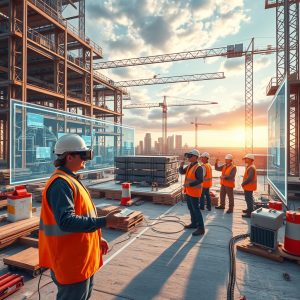
This wealth of data is fed into centralized artificial intelligence systems that optimize building performance on the fly. If a conference room is empty, the system automatically dims the lights and dials back the HVAC system. Beyond operational efficiency, Building Information Modeling (BIM) is being utilized during the design and construction phases. BIM creates a comprehensive digital twin of a building, allowing architects and contractors to simulate energy performance, identify potential structural clashes, and optimize material usage before physical construction even begins, thereby minimizing costly and wasteful errors.
Efficiency Through Modular Construction Trends
While the materials and technologies going into buildings are advancing, so too are the methods by which they are assembled. Modular Construction Trends are rapidly gaining traction as a solution to both environmental and economic challenges. By shifting a significant portion of the building process to controlled factory environments, developers can drastically reduce material waste, minimize noise and dust pollution at the building site, and ensure higher quality control.
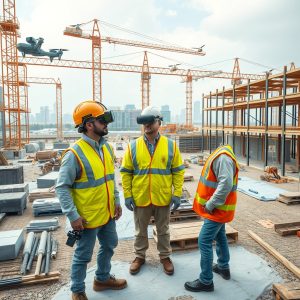
Prefabricated Home Systems and Precast Concrete Solutions allow for entire rooms or structural components to be manufactured off-site and then quickly assembled on location. This method not only accelerates project timelines but also significantly improves Construction Site Safety by reducing the amount of time workers spend performing high-risk tasks at elevated heights. As urban centers face housing shortages, these efficient, scalable methods offer a promising pathway to developing Low Cost Housing Technology without compromising on sustainability or structural integrity.
As we look to the horizon, the buildings we inhabit will no longer be static consumers of resources, but active participants in the global ecosystem. The synthesis of intelligent design, regenerative materials, and off-site manufacturing is paving the way for cities that breathe, adapt, and sustain themselves. Every new structure erected with these principles serves as a testament to human ingenuity and a commitment to planetary stewardship. The blueprint for tomorrow’s metropolis is already being drawn, promising a future where our architectural ambitions exist in perfect harmony with the natural world, fostering environments where both humanity and nature can thrive together.