The Future of Construction: How Immersive Tech and Lean Practices Are Crafting Sustainable, Human-Centric Sites
In the ever-evolving landscape of construction, the integration of immersive technology and lean practices is revolutionizing the way we build. This synergy is not only enhancing the sustainability of our built environment but also placing a strong emphasis on human-centric design. The future of construction is being crafted at the intersection of technology and human ingenuity, promising smarter, greener, and more adaptive sites.
Immersive Construction Planning
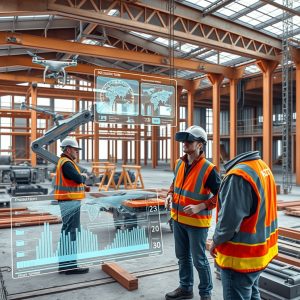
Immersive technology, such as virtual reality (VR) and augmented reality (AR), is transforming the way construction projects are planned and executed. By creating a virtual model of the construction site, stakeholders can visualize the project in three dimensions, identify potential issues, and make informed decisions before any physical work begins. This not only reduces the risk of errors but also allows for a more efficient use of resources.
Digital Twin Site Management
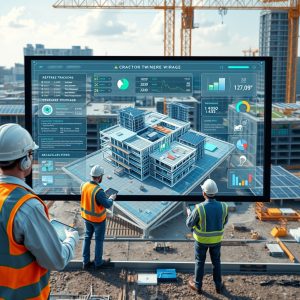
Digital twins, which are digital replicas of physical objects or systems, are another key component of immersive construction planning. These twins can be used to simulate the construction process, predict potential problems, and optimize the use of materials and labor. By integrating real-time data from the construction site, digital twins can provide a comprehensive view of the project’s progress and performance.
Lean Construction Practices
Lean construction practices, inspired by the Toyota Production System, focus on the elimination of waste and the continuous improvement of processes. By streamlining workflows, reducing material waste, and optimizing the use of resources, lean practices can significantly improve the efficiency and sustainability of construction projects.
Collaborative Building Design
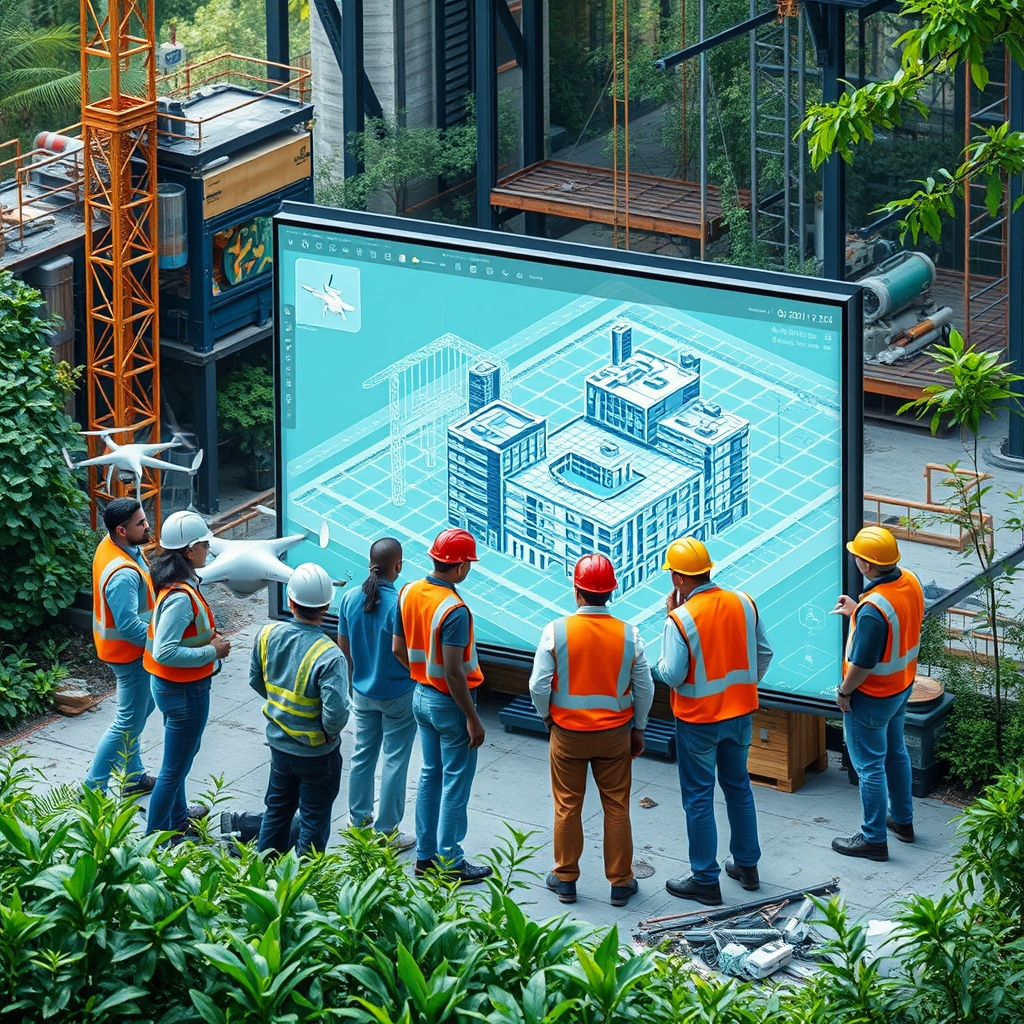
Collaborative building design is a cornerstone of lean construction. By bringing together architects, engineers, contractors, and other stakeholders in the early stages of the project, potential issues can be identified and resolved before they become costly problems. This collaborative approach not only improves the quality of the design but also fosters a sense of shared responsibility and ownership among all parties involved.
Experiential Construction Workflow
An experiential construction workflow integrates immersive technology and lean practices to create a seamless, end-to-end construction process. From the initial design phase to the final handover, every step is optimized for efficiency, sustainability, and human-centricity. This holistic approach ensures that the final product is not only functional and aesthetically pleasing but also aligned with the needs and values of the end-users.
Smart Site Monitoring
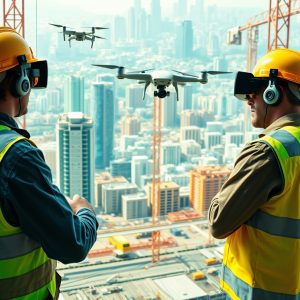
Smart site monitoring involves the use of sensors, IoT devices, and other advanced technologies to monitor the construction site in real-time. By collecting and analyzing data on factors such as weather conditions, equipment performance, and worker safety, smart site monitoring can help prevent accidents, reduce downtime, and improve overall project efficiency.
Human-Centric Structural Design
Human-centric structural design places the needs and well-being of the end-users at the forefront of the design process. By considering factors such as ergonomics, accessibility, and environmental comfort, human-centric design can create buildings that are not only functional but also enjoyable and sustainable to live or work in.
Eco-Friendly Material Selection
Eco-friendly material selection is another key aspect of sustainable construction. By using materials that are sustainable, recyclable, and low in carbon footprint, we can reduce the environmental impact of our buildings. From recycled steel to bamboo flooring, there are numerous eco-friendly materials that can be used to create beautiful, sustainable buildings.
In conclusion, the future of construction is being shaped by the integration of immersive technology and lean practices. By embracing these innovations, we can create smarter, greener, and more human-centric buildings that meet the needs of both the present and the future. As we continue to push the boundaries of what is possible, let us remember that our ultimate goal is to create spaces that enhance the quality of life for all who inhabit them.