Crafting the Future: How Immersive Tech and Lean Practices Are Redefining Sustainable Construction
In the ever-evolving landscape of construction, two powerful trends are reshaping the way we build: immersive technology and lean practices. Together, they are crafting a future where sustainable, human-centric buildings become the norm. This article explores how these innovations are transforming the construction industry, from planning to execution.
Immersive Construction Planning
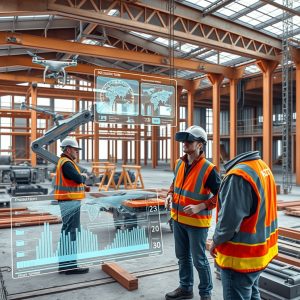
Immersive technology, such as virtual reality (VR) and augmented reality (AR), is revolutionizing the way construction projects are planned and executed. By creating a digital twin of the construction site, stakeholders can visualize the project in 3D, identify potential issues, and make informed decisions before a single brick is laid. This not only reduces the risk of costly mistakes but also enhances collaboration among team members, regardless of their physical location.
Digital Twin Site Management
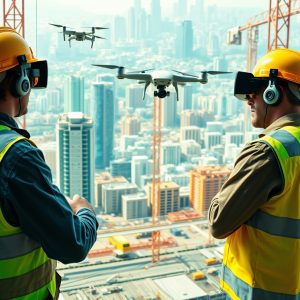
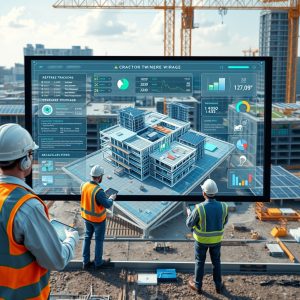
Digital twin site management takes immersive technology a step further by providing real-time data and analytics. This technology allows project managers to monitor the progress of the construction site, track resources, and manage workflows in real-time. By integrating data from various sources, such as sensors, drones, and IoT devices, digital twins offer a comprehensive view of the project’s status, enabling proactive decision-making and ensuring project transparency.
Lean Construction Practices
Lean construction practices, inspired by the principles of lean manufacturing, focus on eliminating waste, improving quality, and enhancing customer satisfaction. By streamlining processes, optimizing resource allocation, and fostering a culture of continuous improvement, lean practices help construction companies deliver projects on time, within budget, and to the required standards.
Collaborative Building Design
Collaborative building design is a cornerstone of lean construction. By bringing together architects, engineers, contractors, and clients early in the design phase, teams can identify and address potential issues before they become costly problems. This collaborative approach not only improves the quality of the design but also enhances communication and trust among stakeholders.
Experiential Construction Workflow
Experiential construction workflows integrate immersive technology and lean practices to create a seamless, end-to-end construction experience. By leveraging digital twins and real-time data, construction teams can monitor progress, identify bottlenecks, and make data-driven decisions. This approach not only improves efficiency but also enhances the overall quality of the project.
Smart Site Monitoring
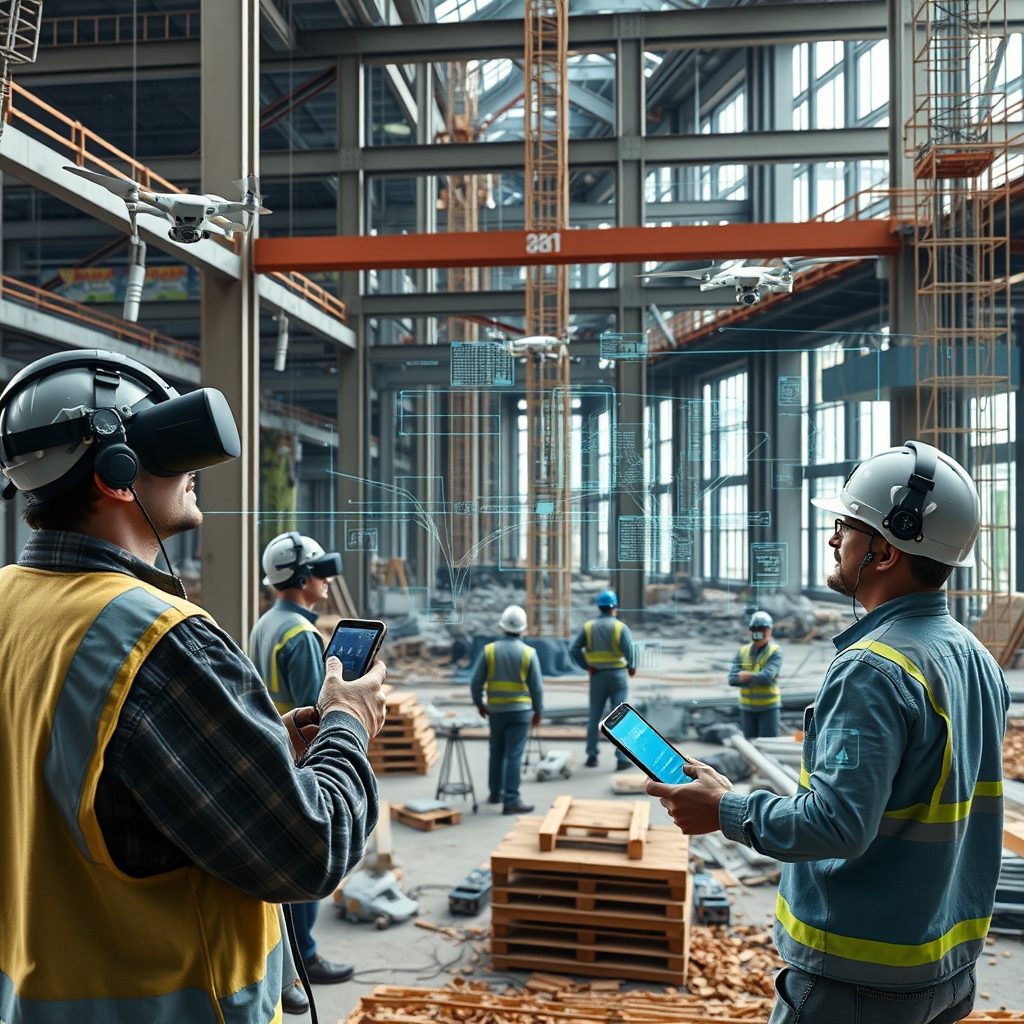
Smart site monitoring is another key aspect of experiential construction workflows. By deploying sensors, drones, and other IoT devices, construction teams can gather real-time data on various aspects of the project, such as weather conditions, equipment performance, and worker safety. This data is then used to optimize workflows, improve resource allocation, and ensure compliance with safety regulations.
Human-Centric Structural Design
In the pursuit of sustainable and efficient construction, human-centric structural design is gaining prominence. This approach focuses on creating buildings that are not only functional and aesthetically pleasing but also comfortable and healthy for the people who use them. By considering factors such as natural lighting, ventilation, and ergonomics, human-centric design enhances the overall user experience and contributes to the well-being of the occupants.
Eco-Friendly Material Selection
Eco-friendly material selection is a crucial aspect of sustainable construction. By choosing materials that are sustainable, recyclable, and low in carbon footprint, construction companies can reduce their environmental impact and contribute to the overall sustainability of the project. From recycled steel to bamboo and cork, there are numerous eco-friendly materials available that offer both environmental benefits and aesthetic appeal.
In conclusion, the integration of immersive technology and lean practices is transforming the construction industry, paving the way for a future where sustainable, human-centric buildings become the norm. By leveraging digital twins, real-time data, and collaborative design, construction teams can deliver projects that are not only efficient and cost-effective but also enhance the overall user experience and contribute to the well-being of the occupants.