The Future of Construction: How Immersive Tech and Lean Practices Are Crafting Sustainable, Human-Centric Sites
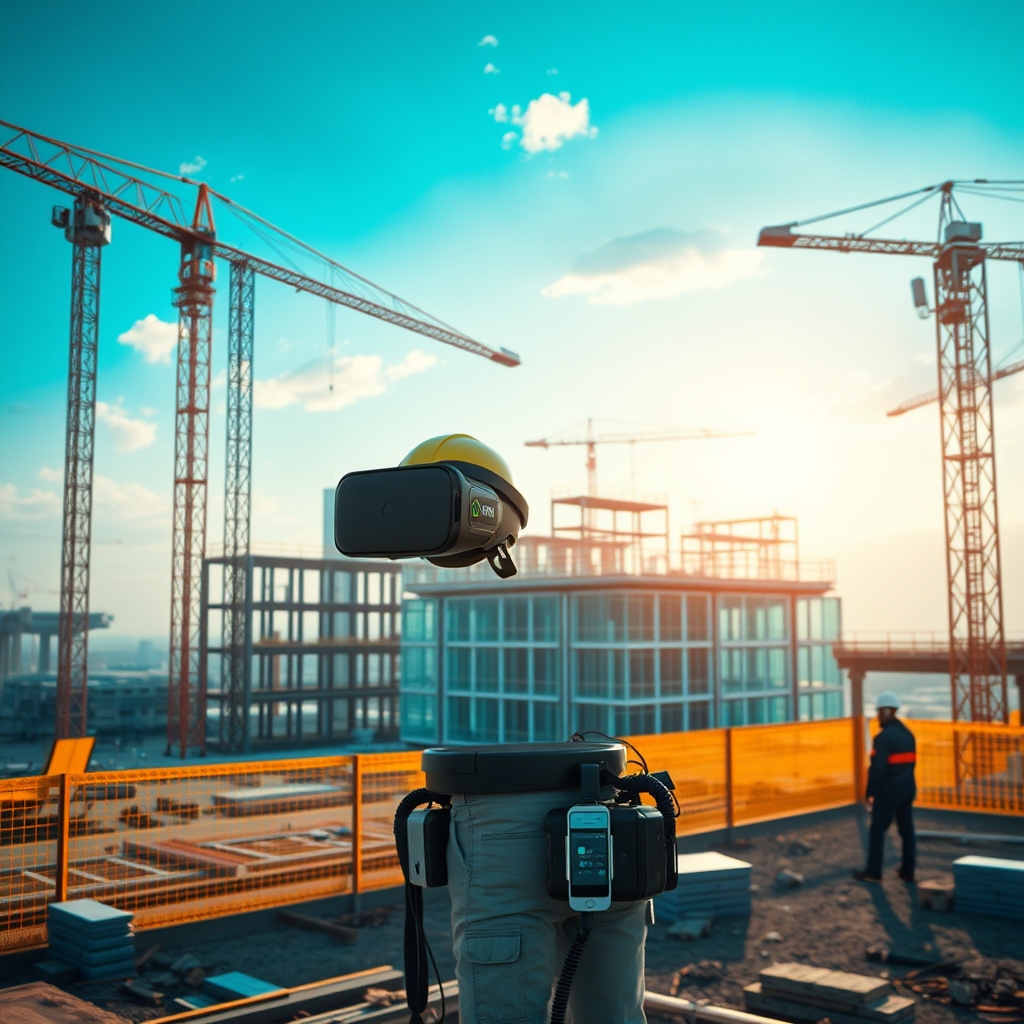
In the realm of construction, innovation is not just about building structures; it’s about creating spaces that are sustainable, efficient, and human-centric. The future of construction is being shaped by the convergence of immersive technologies and lean practices, creating a synergy that is redefining how we build.
Immersive Construction Planning
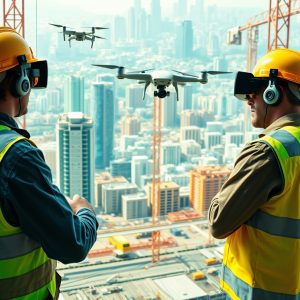
Immersive technologies, such as virtual reality (VR) and augmented reality (AR), are revolutionizing the way construction projects are planned and executed. These technologies allow stakeholders to visualize and interact with 3D models of the construction site, facilitating better understanding and collaboration. Virtual reality headsets can transport project teams to a digital twin of the construction site, enabling them to walk through the project, identify potential issues, and make informed decisions.
Digital Twin Site Management
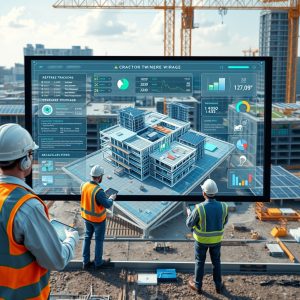
Digital twins, which are digital replicas of physical assets, are being used to manage construction sites in real-time. These digital twins can simulate the construction process, predict potential issues, and optimize resource allocation. By integrating real-time data from sensors and IoT devices, digital twins provide a comprehensive view of the construction site, enabling proactive management and decision-making.
Lean Construction Practices
Lean construction is a methodology that aims to eliminate waste and inefficiency in the construction process. By focusing on value, eliminating waste, and continuously improving processes, lean construction practices can lead to significant cost savings, time savings, and improved quality. Lean practices, such as last planner system (LPS), just-in-time (JIT) delivery, and pull planning, are being integrated with immersive technologies to create a more efficient and effective construction process.
Collaborative Building Design
Collaborative building design involves the active participation of all stakeholders in the design process. By fostering a culture of collaboration and communication, stakeholders can share their expertise and insights, leading to more innovative and effective design solutions. Immersive technologies, such as VR and AR, facilitate collaborative building design by providing a shared virtual environment where stakeholders can interact and collaborate in real-time.
Experiential Construction Workflow
Experiential construction workflows focus on creating a positive and engaging experience for all stakeholders involved in the construction process. By prioritizing the human element and fostering a culture of collaboration and communication, experiential construction workflows can lead to improved satisfaction, productivity, and quality. Immersive technologies, such as VR and AR, can enhance the experiential construction workflow by providing a more immersive and engaging experience for stakeholders.
Smart Site Monitoring
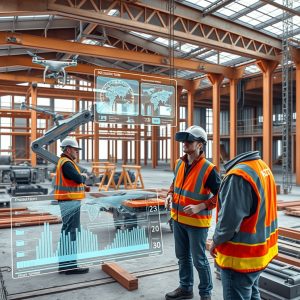
Smart site monitoring involves the use of sensors, IoT devices, and other advanced technologies to monitor and manage construction sites in real-time. By providing a comprehensive view of the construction site, smart site monitoring enables proactive management and decision-making. Immersive technologies, such as VR and AR, can enhance smart site monitoring by providing a more immersive and engaging experience for stakeholders.
Human-Centric Structural Design
Human-centric structural design focuses on creating structures that are not only functional and sustainable but also enhance the human experience. By prioritizing the needs and preferences of the users, human-centric structural design can lead to more innovative and effective design solutions. Immersive technologies, such as VR and AR, can facilitate human-centric structural design by providing a more immersive and engaging experience for stakeholders.
Eco-Friendly Material Selection
Eco-friendly material selection involves the use of materials that are sustainable, durable, and have a minimal environmental impact. By prioritizing the environmental impact of materials, eco-friendly material selection can lead to more sustainable and resilient structures. Immersive technologies, such as VR and AR, can enhance eco-friendly material selection by providing a more immersive and engaging experience for stakeholders.
The future of construction is being shaped by the convergence of immersive technologies and lean practices, creating a synergy that is redefining how we build. By integrating immersive technologies, such as VR and AR, with lean construction practices, we can create a more efficient, effective, and sustainable construction process. As we continue to explore and innovate in this space, we can look forward to a future where construction is not just about building structures but also about creating spaces that are sustainable, efficient, and human-centric.