The Silent Siege: How Coastal Resilience is Being Outmaneuvered by the Illusion of Control
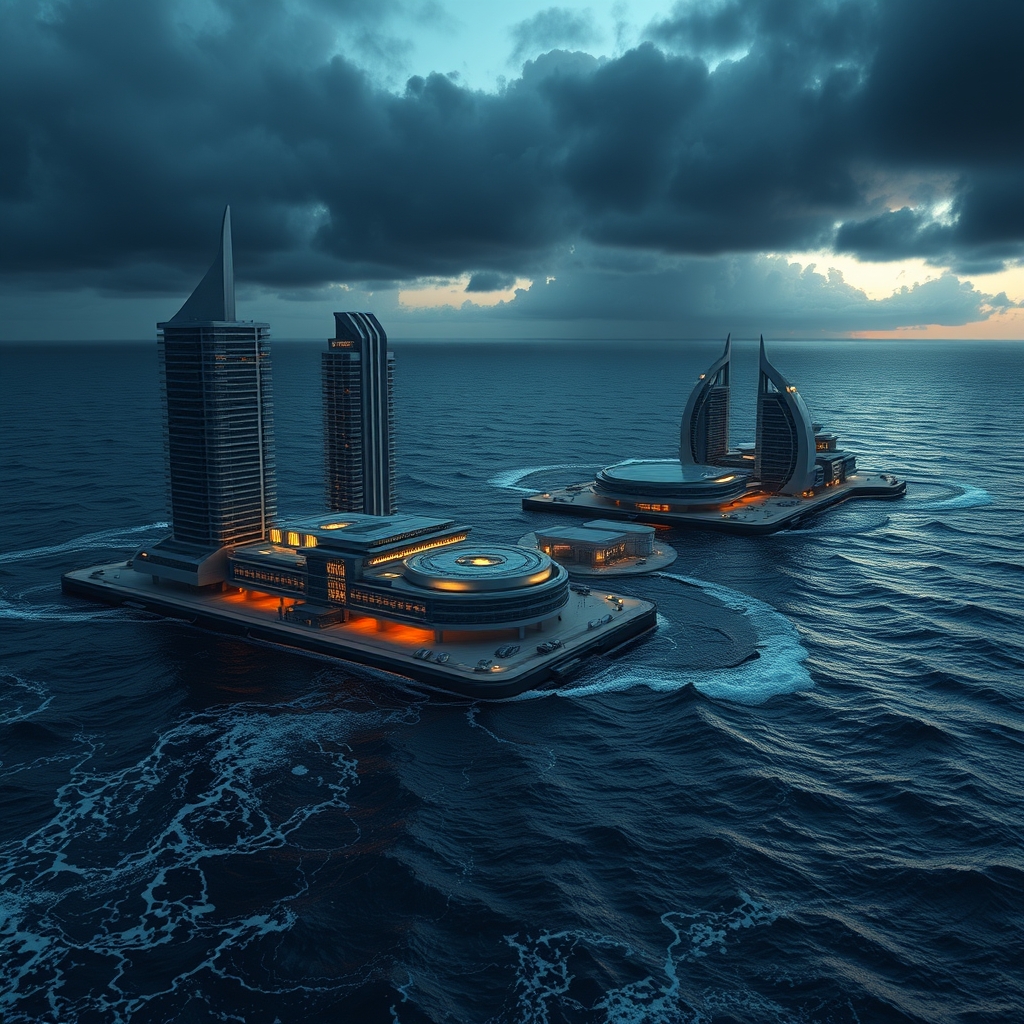
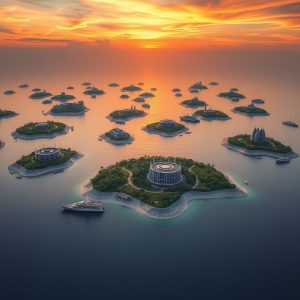
The ocean does not negotiate. It does not yield to blueprints, nor does it respect the grand ambitions of maritime urban planners. Yet, the relentless push to reclaim land from the sea—through artificial archipelagos, floating real estate, and smart marine cities—persists as if the tides could be tamed with concrete and steel. The narrative of coastal resilience has been co-opted by the allure of infinite expansion, a seductive myth that obscures the fragility of human intervention in a domain governed by forces far older and more powerful than our engineering prowess.
The Mirage of Mastery
At the heart of this illusion lies the belief that technology can outpace nature. Projects like Dubai’s Palm Islands or China’s massive land reclamation efforts in the South China Sea are often hailed as triumphs of human ingenuity. They are, in many ways, marvels—testaments to what can be achieved when ambition is unshackled from the constraints of geography. But they are also cautionary tales. The Palm Jumeirah, for instance, required constant dredging to combat erosion, a Sisyphean task that underscores the futility of assuming permanence in a dynamic environment. The sea does not forget; it merely waits.
Coastal resilience, as it is currently conceived, is less about adaptation and more about domination. It is a paradigm that prioritizes the immediate gains of urban expansion over the long-term consequences of ecological disruption. The language of sustainability is often invoked—eco-friendly reclamation, smart marine cities, blue economy infrastructure—but these terms are frequently hollow, reduced to buzzwords that sanitize the environmental and ethical compromises inherent in such projects. The reality is that land reclamation, no matter how “green” its branding, alters marine ecosystems in ways that are poorly understood and often irreversible.
The Sedimentary Paradox
The foundational flaw in this approach is the assumption that sediment and sea can be bent to human will without consequence. Deep sea foundations, for example, are engineered to withstand the pressures of the ocean, but they are not immune to its whims. The 2011 Tōhoku earthquake and tsunami in Japan demonstrated how even the most robust marine infrastructure can be rendered vulnerable by forces beyond human control. The Fukushima Daiichi nuclear disaster, precipitated by the failure of coastal defenses, was a stark reminder that resilience is not a static achievement but a perpetual struggle.
This paradox extends to the legal and ethical dimensions of land reclamation. Submerged land rights, for instance, are a contentious issue, with nations and corporations often exploiting legal ambiguities to stake claims on the seabed. The United Nations Convention on the Law of the Sea (UNCLOS) provides a framework, but it is a patchwork of competing interests, riddled with loopholes that favor those with the resources to exploit them. The result is a geopolitical free-for-all, where the illusion of sovereignty over reclaimed land masks the reality of ecological and legal precarity.
The Cost of Paradise
Luxury island resorts and floating real estate developments are perhaps the most visible symbols of this illusion. They promise exclusivity and escape, selling a vision of paradise untouched by the chaos of the mainland. Yet, these projects are often built on the backs of exploited labor and at the expense of local ecosystems. The Maldives, for example, has seen a boom in artificial islands designed to cater to high-end tourism, but the environmental cost has been severe. Coral reefs, the backbone of the Maldives’ natural defenses against erosion and storm surges, have been damaged or destroyed to make way for these developments. The irony is palpable: the very projects marketed as sustainable are often the most destructive.
The blue economy, a term that evokes images of harmonious coexistence between human activity and marine ecosystems, is similarly flawed. It is predicated on the idea that economic growth and environmental stewardship can go hand in hand, but the reality is far more complex. The rush to exploit marine resources—whether through fishing, mining, or real estate—has outpaced the development of regulatory frameworks capable of mitigating harm. The result is a race to the bottom, where short-term profits trump long-term sustainability.
The Unseen Currents
Smart marine cities, often touted as the future of coastal urbanism, are not immune to these contradictions. They promise a harmonious blend of technology and nature, where sensors and data analytics optimize resilience and sustainability. Yet, the reliance on technology introduces new vulnerabilities. Cyberattacks, system failures, or even the simple wear and tear of saltwater on infrastructure can undermine the very resilience these cities are designed to achieve. Moreover, the focus on technological solutions often diverts attention from the more fundamental question: whether we should be building in these environments at all.
Coastal engineering, too, is caught in this bind. Traditional approaches, such as seawalls and breakwaters, are increasingly being supplemented—or replaced—by “living shorelines” that incorporate natural elements like mangroves and oyster reefs. These solutions are more adaptive and ecologically sound, but they are also less predictable. Nature does not conform to engineering specifications, and the line between control and chaos is thinner than we care to admit.
The Hydrological Gamble
The rise of sea levels, accelerated by climate change, has added another layer of urgency to this debate. Reclamation projects that were once considered permanent are now being reassessed in light of projections that suggest many will be underwater within decades. The Netherlands, often cited as a model of coastal resilience, has begun to embrace a strategy of “managed retreat,” recognizing that some battles with the sea are unwinnable. Yet, in many parts of the world, the response has been to double down on reclamation, as if sheer willpower could hold back the tide.
The hydrological gamble is not just about physical infrastructure; it is also about the psychological and cultural attachment to land. For many communities, the idea of surrendering territory to the sea is unthinkable, a betrayal of identity and heritage. This emotional dimension complicates the rational calculus of resilience, making it difficult to adopt strategies that prioritize adaptation over resistance. The result is a form of collective denial, where the illusion of control persists even as the evidence mounts against it.
The ocean’s patience is infinite, but ours is not. The projects we build today—whether artificial archipelagos, floating cities, or luxury resorts—are temporary at best, ephemeral in the grand sweep of geological time. The illusion of control is seductive, but it is also dangerous, lulling us into a false sense of security while the sea continues its silent siege. The question is not whether we can reclaim land from the ocean, but whether we can afford to. The answer, increasingly, is no—not if we value the ecosystems we depend on, the communities we claim to protect, or the future we purport to secure. The tide will rise, and the structures we build will either adapt or be swallowed. The choice is ours, but the ocean will have the final say.