The Intersection of Smart Building Technology and Eco-Friendly Architecture: Pioneering the Next Era of Sustainable Construction
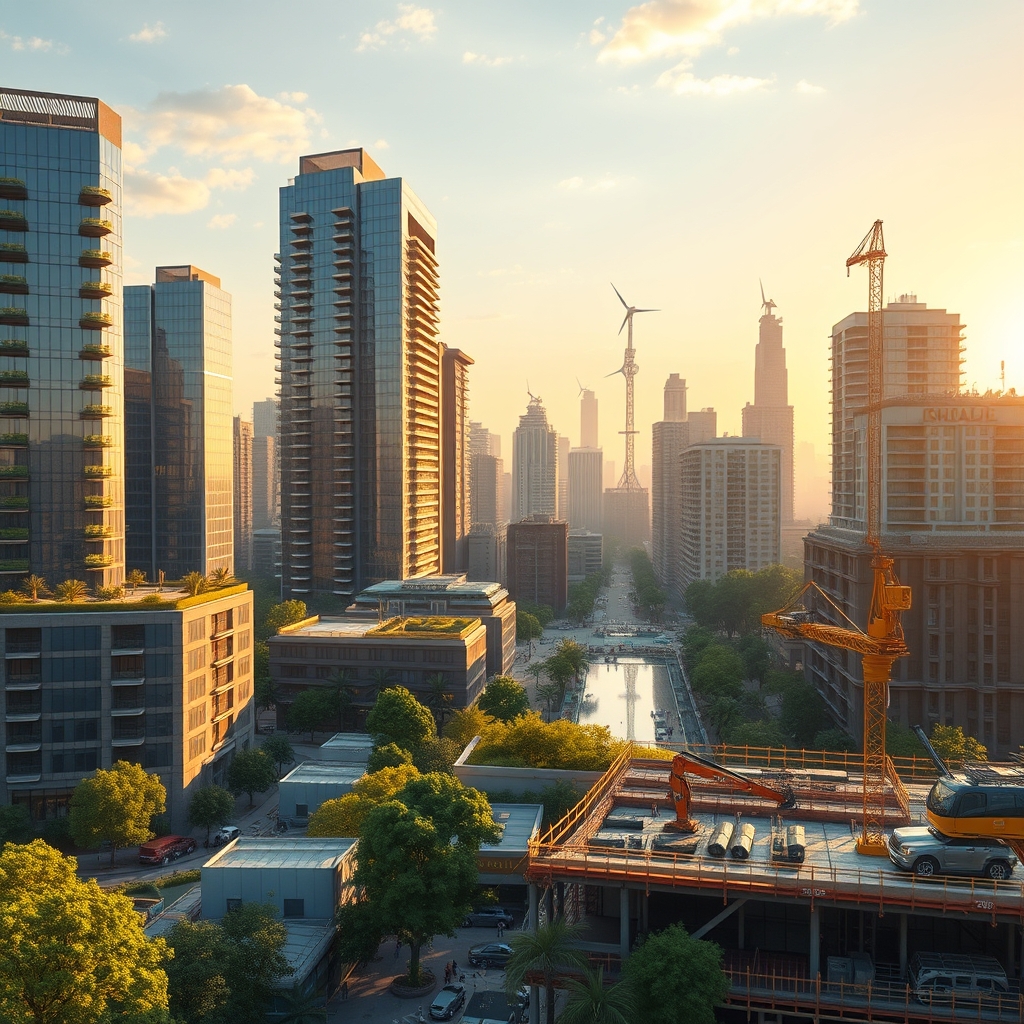
In an era where urbanization is accelerating at an unprecedented pace, the construction industry stands at a critical crossroads. The demand for residential, commercial, and industrial spaces is surging, but so too is the urgency to address environmental concerns, resource scarcity, and the need for energy efficiency. The convergence of smart building technology and eco-friendly architecture is not just a trend—it is a necessity, reshaping how we design, construct, and inhabit our built environments. This synergy is paving the way for structures that are not only intelligent and responsive but also sustainable and resilient.
The Foundation of Sustainable Construction
At the heart of this transformation lies a fundamental shift in how we approach construction. Sustainable construction methods prioritize minimizing environmental impact while maximizing efficiency and longevity. Techniques such as modular construction trends and precast concrete solutions are gaining traction for their ability to reduce waste, shorten construction timelines, and lower carbon footprints. Modular construction, for instance, allows for components to be fabricated off-site in controlled environments, ensuring precision and reducing material waste by up to 30%. Similarly, precast concrete offers durability and energy efficiency, with the added benefit of being recyclable at the end of a building’s lifecycle.
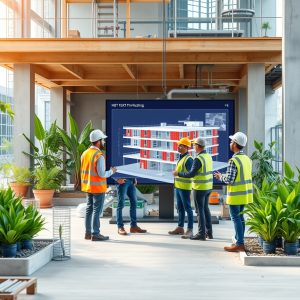
These methods are not just about efficiency—they are about reimagining the entire construction process. By integrating Building Information Modeling (BIM), architects and engineers can create digital twins of structures, enabling real-time collaboration, error detection, and optimization before a single brick is laid. BIM’s predictive capabilities allow for better resource allocation, reducing overordering of materials and minimizing construction-related emissions. When combined with sustainable practices, BIM becomes a powerful tool for achieving green building certification standards such as LEED, BREEAM, or WELL, which are increasingly becoming benchmarks for modern development.
Smart Technology: The Brain Behind Eco-Friendly Buildings
While sustainable materials and methods lay the groundwork, smart building technology infuses intelligence into structures, making them adaptive, efficient, and responsive to both environmental conditions and occupant needs. At the forefront of this revolution are systems that leverage the Internet of Things (IoT), artificial intelligence (AI), and data analytics to create buildings that are not just static structures but living, breathing entities.
One of the most impactful applications of smart technology is in energy management. Energy-efficient design is no longer limited to passive strategies like insulation or solar orientation. Today, smart buildings use sensors and AI-driven systems to monitor and optimize energy consumption in real time. For example, smart glass installation can dynamically adjust its tint based on sunlight intensity, reducing the need for artificial lighting and air conditioning. Similarly, AI-powered HVAC systems learn occupancy patterns and adjust temperatures accordingly, cutting energy use by up to 40% without compromising comfort.
Beyond energy, smart technology enhances the overall functionality and sustainability of buildings. IoT-enabled water management systems detect leaks and optimize usage, while AI-driven waste management systems sort and recycle materials more efficiently. In commercial property construction, these technologies are transforming workplaces into hubs of productivity and sustainability. For instance, smart lighting systems that adjust based on natural light levels or occupancy not only reduce energy consumption but also improve employee well-being and productivity.
Advanced Materials: The Building Blocks of the Future
The materials used in construction play a pivotal role in determining a building’s environmental impact. Traditional materials like steel and concrete, while durable, are resource-intensive and contribute significantly to global carbon emissions. The rise of advanced building materials is offering alternatives that are not only sustainable but also enhance performance and longevity.
Materials such as cross-laminated timber (CLT), self-healing concrete, and aerogels are revolutionizing the industry. CLT, for example, is a renewable resource that sequesters carbon, making it a carbon-negative alternative to steel and concrete. Self-healing concrete, embedded with bacteria that produce limestone, can repair cracks autonomously, extending the lifespan of structures and reducing maintenance costs. Aerogels, known for their exceptional insulating properties, are being used to create ultra-thin, high-performance insulation that improves energy efficiency without adding bulk.
Innovations in modern steel structures are also contributing to sustainability. High-strength, lightweight steel alloys reduce the amount of material needed while maintaining structural integrity. Additionally, the use of recycled steel in construction is becoming more prevalent, further reducing the industry’s carbon footprint. These materials are not just environmentally friendly—they are also cost-effective in the long run, offering savings on energy, maintenance, and operational costs.
Urban Infrastructure and the Path to Zero Carbon
The push toward sustainability is not limited to individual buildings—it extends to the broader urban landscape. Urban infrastructure projects are increasingly incorporating smart and eco-friendly solutions to create cities that are resilient, efficient, and livable. From smart grids that optimize energy distribution to green roofs that mitigate the urban heat island effect, these projects are redefining what it means to build for the future.
A key goal in this transformation is the development of zero carbon buildings. These structures produce as much energy as they consume, often through a combination of renewable energy sources, energy-efficient design, and smart technology. Achieving zero carbon status requires a holistic approach, integrating everything from passive solar design to on-site renewable energy generation and advanced battery storage systems. Cities like Copenhagen and Amsterdam are leading the way, with ambitious plans to become carbon-neutral by 2030, demonstrating that zero carbon buildings are not just a vision but an achievable reality.
For residential building contractors, the shift toward sustainability presents both challenges and opportunities. Low-cost housing technology is making it possible to deliver affordable, eco-friendly homes without compromising quality. Techniques such as prefabricated home systems and 3D-printed construction are reducing costs and construction time while maintaining high standards of energy efficiency and durability. These innovations are particularly impactful in developing regions, where the need for affordable housing is most acute.
Safety and Sustainability: A Dual Priority
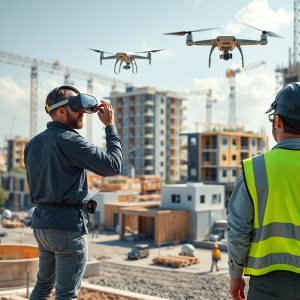
As the construction industry evolves, so too must its approach to construction site safety. The integration of smart technology is enhancing safety protocols, reducing accidents, and improving overall site management. Wearable devices, such as smart helmets and vests, monitor workers’ vital signs and detect potential hazards in real time. Drones and AI-powered cameras conduct site inspections, identifying risks like structural weaknesses or unsafe working conditions before they escalate. These technologies not only protect workers but also contribute to more efficient and sustainable construction processes by minimizing delays and rework.
Sustainability and safety are not mutually exclusive—they are two sides of the same coin. A construction site that prioritizes safety is inherently more efficient, with fewer accidents leading to less waste, lower costs, and faster project completion. Similarly, sustainable construction practices often go hand in hand with improved safety, as materials like CLT or precast concrete reduce the need for hazardous on-site activities.
The fusion of smart building technology and eco-friendly architecture is more than a passing trend—it is the blueprint for the future of construction. As cities grow and the demand for sustainable, efficient, and resilient structures intensifies, the industry must continue to innovate, embracing new materials, methods, and technologies that prioritize both people and the planet. The buildings of tomorrow will not just be structures; they will be dynamic, intelligent ecosystems that adapt to our needs while safeguarding the environment for generations to come. In this new era, sustainability is not an option—it is the foundation upon which all great architecture is built, and the key to creating a world where progress and preservation go hand in hand.