The Synergy of Smart Building Technology and Sustainable Construction Methods
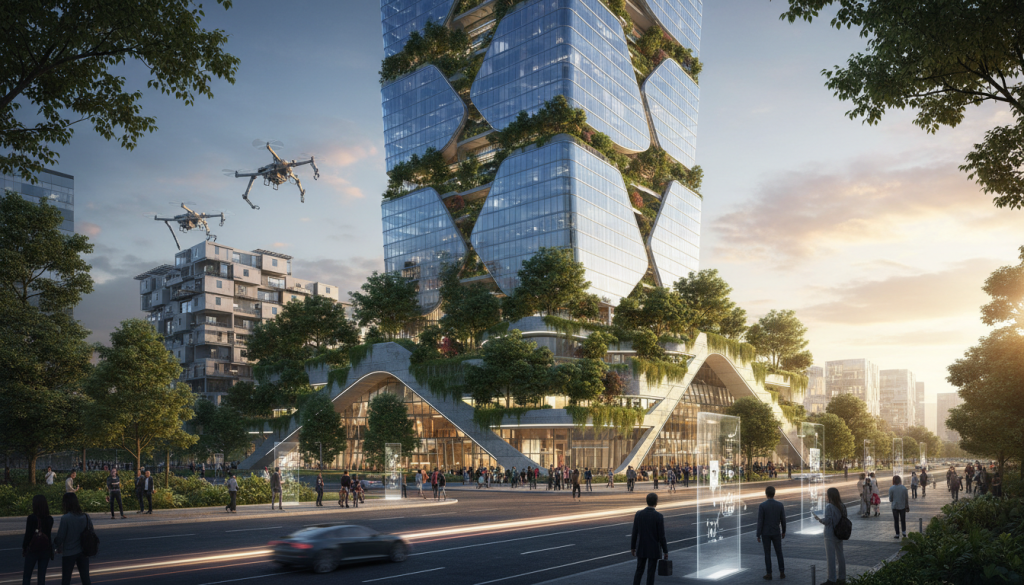
The construction industry is undergoing a profound transformation, driven by an urgent need for greater sustainability and efficiency. Gone are the days when buildings were merely static structures; today, they are dynamic systems designed to interact intelligently with their environment and occupants. This evolution is powered by the powerful synergy between smart building technology and a diverse array of sustainable construction methods. From the initial design phase using Building Information Modeling (BIM) to the operational efficiency enabled by smart glass and energy-efficient design principles, every step of the construction lifecycle is being reimagined.
Harnessing the Power of BIM for Sustainable Design
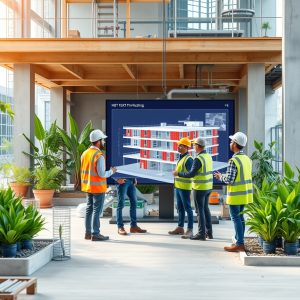
Building Information Modeling (BIM) has emerged as a cornerstone of modern construction, particularly in its ability to facilitate eco-friendly architecture and sustainable construction methods. BIM is far more than just 3D modeling; it is a process that generates and manages information throughout a building’s lifecycle. For sustainable design, BIM allows architects and engineers to simulate and analyze various aspects of a building’s performance before construction even begins. This includes evaluating energy consumption, natural light penetration, thermal performance, and material sourcing. By identifying potential environmental impacts early on, BIM helps in selecting appropriate advanced building materials and implementing energy-efficient design strategies, leading to structures that are not only cost-effective but also environmentally responsible.
Modular Construction and Precast Concrete: Efficiency Meets Sustainability
The rise of modular construction trends and precast concrete solutions is another significant development in sustainable building. Modular construction involves fabricating building components or entire modules off-site in a controlled factory environment. This approach offers numerous advantages, including reduced waste, improved quality control, and faster construction timelines. Precast concrete, a key material in many modular systems, allows for precise manufacturing of structural elements, minimizing on-site disruption and material wastage. These methods are particularly beneficial for large-scale projects like industrial property development and urban infrastructure projects, where efficiency and predictability are paramount. Furthermore, the controlled environment of off-site manufacturing often leads to better insulation and airtightness, contributing to enhanced energy efficiency in the final structure.
Smart Building Technology: The Nervous System of Modern Structures
Smart building technology acts as the nervous system of contemporary buildings, enabling them to operate with unprecedented intelligence and efficiency. This encompasses a wide range of systems, including automated lighting and HVAC controls, advanced security systems, and integrated energy management platforms. Smart glass installation, for instance, can dynamically adjust its tint to control solar heat gain and reduce glare, significantly cutting down on cooling and lighting costs. Similarly, sensors and IoT devices can monitor occupancy, air quality, and energy usage in real-time, allowing building management systems to optimize performance. For commercial property construction and residential building contractor projects alike, these technologies translate into lower operating expenses, enhanced occupant comfort, and a reduced environmental footprint. The integration of these smart systems is crucial for achieving goals such as zero carbon buildings.
Advanced Building Materials and Eco-Friendly Architecture
The pursuit of sustainable construction methods is also driving innovation in advanced building materials. Architects and builders are increasingly exploring and adopting materials that offer superior performance with a lower environmental impact. This includes recycled and repurposed materials, low-VOC (volatile organic compound) paints and finishes, and innovative insulation technologies. For example, the development of high-performance insulation can drastically reduce a building’s heating and cooling demands, a key aspect of energy-efficient design. Modern steel structures, when sourced responsibly and designed for longevity, offer durability and recyclability. The focus is on materials that contribute to a healthier indoor environment, reduce embodied energy, and minimize waste throughout the building’s lifecycle. This commitment to advanced, eco-friendly materials is fundamental to creating truly sustainable buildings.
Ensuring Safety and Quality in High-Rise and Industrial Projects
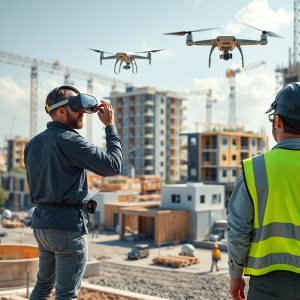
As construction projects become more ambitious, particularly in high rise construction and industrial property development, construction site safety and quality assurance become even more critical. The adoption of technologies like drones for site monitoring, wearable safety devices for workers, and advanced project management software helps in identifying and mitigating risks proactively. BIM plays a crucial role here too, by enabling detailed clash detection and safety planning before physical work commences. Prefabricated home systems and modular construction also contribute to safety by moving a significant portion of the work to a controlled factory setting, reducing exposure to on-site hazards. The rigorous quality control inherent in these methods ensures that buildings are not only safe to construct but also durable and performant throughout their operational life.
Ultimately, the integration of smart building technology with sustainable construction methods represents a paradigm shift in how we conceive, design, and build our environments. It is a holistic approach that prioritizes resource efficiency, environmental responsibility, and occupant well-being. By embracing innovations like BIM, modular construction, advanced materials, and intelligent control systems, the industry is moving towards a future where buildings are not just shelters, but active contributors to a healthier planet and more comfortable living and working spaces.