The Symphony of Spaces: How Mixed-Use Developments are Rewriting the Urban Narrative
The modern metropolis is no longer just a sprawling grid of concrete and steel; it is a living, breathing ecosystem meticulously sculpted by visionary architects and driven by rigorous property market research. As the morning sun casts a golden hue over the skyline, the silhouette of the city reveals a profound transformation. The boundaries between where we live, work, and play are dissolving, giving way to a seamless urban experience. This metamorphosis is not accidental. It is the result of deep urban property insights and sophisticated real estate analytics, guiding developers to create spaces that resonate with the rhythm of contemporary life. Walking through these emerging districts, one can feel the deliberate intention behind every architectural curve and pedestrian walkway, signaling a new era of urban design.
The Vertical Oasis: Redefining Urban Sanctuaries
High above the bustling streets, luxury apartment living has been entirely reimagined. The traditional high rise apartment has evolved into a holistic sanctuary, a testament to the marvels of smart apartment design. Imagine stepping into a residence where the environment anticipates your every need—ambient lighting adjusts to the time of day, climate control synchronizes with your body temperature, and panoramic floor-to-ceiling windows offer an uninterrupted canvas of the city below. These investment grade properties are no longer just places to reside; they are highly curated experiences. The integration of lush sky gardens, infinity pools, and wellness centers within these residential towers reflects a broader shift in commercial real estate trends, prioritizing mental and physical well-being alongside aesthetic grandeur. The gentle hum of automated systems and the serene quiet high above the traffic create an atmosphere of unparalleled tranquility.
Hospitality Woven into the City Fabric
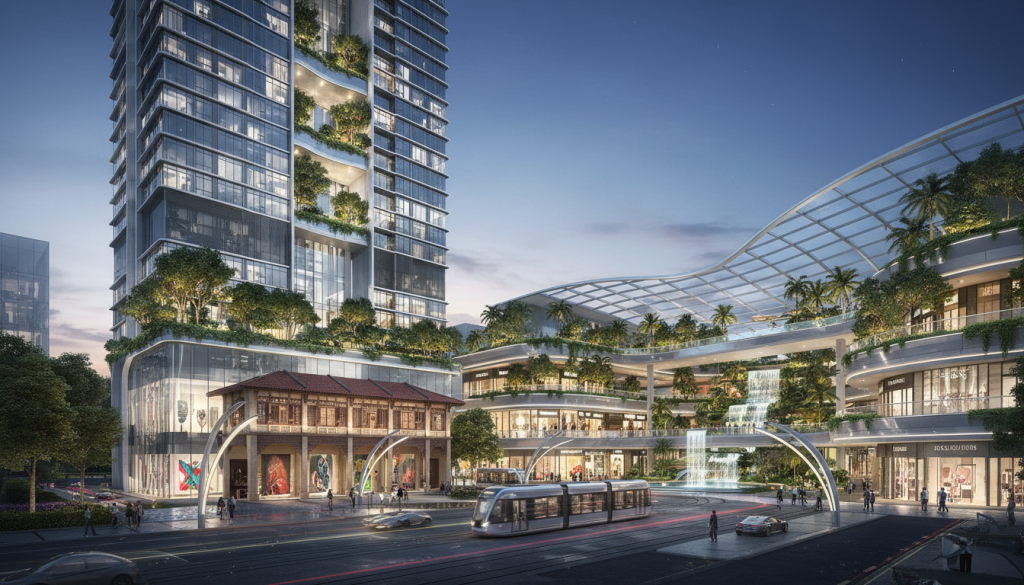
Wandering down to the lower tiers of these architectural marvels, one encounters the vibrant pulse of the hospitality industry growth. The era of the sterile, cookie-cutter hotel room is fading, replaced by innovative boutique hotel concepts that celebrate local culture and personalized luxury. Hotel investment trends are increasingly pointing toward properties that offer immersive, narrative-driven experiences. Picture a meticulously restored commercial shophouse seamlessly integrated into a towering modern glass structure. Inside, the lobby doubles as an expansive art gallery space, showcasing avant-garde works from local artists and international visionaries alike. The scent of artisanal coffee mingles with the faint, earthy aroma of oil paints, creating an atmosphere that is both cosmopolitan and intimately welcoming. This fusion of accommodation and cultural expression is setting a new benchmark for urban hospitality, transforming temporary stays into memorable cultural engagements.
Retail as a Living, Breathing Experience
Connected by climate-controlled skywalks and subterranean transit hubs—hallmarks of modern transit oriented development—the retail sector is undergoing its own remarkable renaissance. Retail mall investment has pivoted sharply away from the traditional, transactional shopping center toward the dynamic lifestyle mall concept. Shopping mall expansion today is less about adding square footage for generic retail racks and more about creating communal gathering spaces that foster human connection. These environments are lush with indoor waterfalls, artisanal food halls featuring global cuisines, and interactive entertainment zones. The architecture invites exploration, with meandering pathways that mimic organic city streets rather than rigid, fluorescent-lit corridors. Here, a diverse array of global luxury brands and bespoke local artisans coexist perfectly, offering a curated journey of discovery rather than a mere shopping trip. The air is filled with the ambient sounds of live acoustic music and the quiet murmur of engaged conversations.
The Intersection of Data and Architectural Design
Beneath the surface of these captivating mixed use developments lies a foundation of incredibly complex data. Property data analysis acts as the invisible architect, dictating everything from the optimal placement of a boutique street-level café to the demographic targeting of a luxury penthouse suite. Investors and developers rely heavily on a nuanced property market forecast to ensure these massive undertakings are not just visually stunning, but economically viable and resilient to market fluctuations. By deeply analyzing foot traffic patterns, shifting consumer spending habits, and evolving demographic preferences, stakeholders can craft environments that adapt dynamically to the needs of the community. Real estate analytics have transformed from simple spreadsheet calculations into predictive models that breathe life into blueprints. This synthesis of creative vision and empirical evidence ensures that the urban landscapes of tomorrow are sustainable, profitable, and deeply attuned to the human experience.
As twilight descends and the city lights begin to flicker like a constellation of digital stars, the true brilliance of this urban evolution becomes apparent. The harmonious blending of residential tranquility, cultural richness, and vibrant commerce creates a symphony of modern living that resonates through every street corner. Every structural curve, every curated gallery wall, and every smart-enabled living space speaks to a profound understanding of what it means to inhabit a city in the twenty-first century. We are witnessing the dawn of an era where our built environment does not merely house our daily routines, but actively elevates our existence, promising a future where the spaces we occupy are as dynamic, interconnected, and inspired as the lives we lead within them.