The Architectural Mirage: How Artificial Archipelagos Are Exploiting the Illusion of Infinite Space
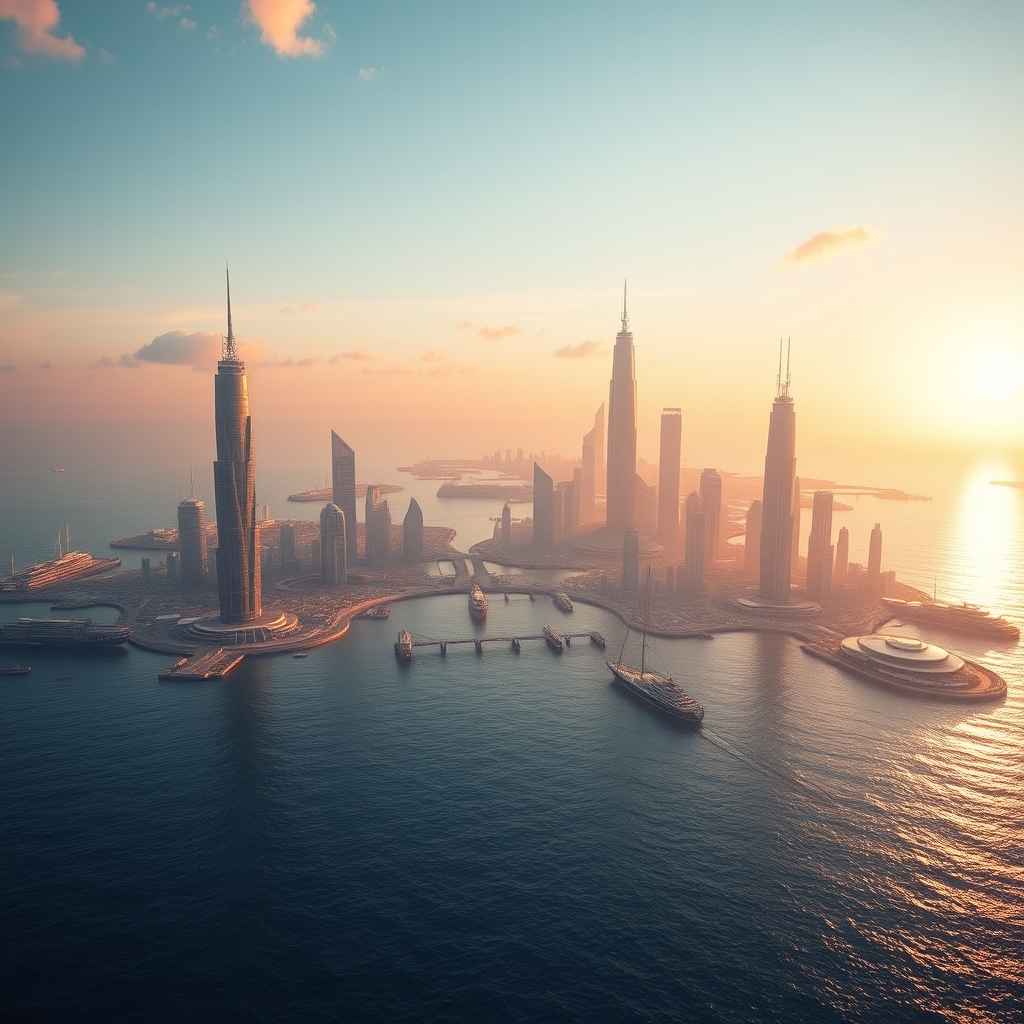
The horizon is a fragile line, a boundary between the known and the unknown, a place where human ambition often meets its limits. In the face of urban expansion and the relentless demand for space, the ocean has become a new frontier for human settlement. However, the allure of this frontier is often an illusion, a mirage that obscures the true costs and consequences of our actions. This is particularly evident in the rise of artificial archipelagos, man-made islands created in the ocean to accommodate our growing populations and economic activities.
Reclaiming the Ocean
Land reclamation, the process of creating new land from the sea, has been a common practice for centuries. However, the scale and speed of this practice in recent years have raised significant concerns. The creation of artificial archipelagos, often involving the dredging of sand and the construction of massive structures, is a prime example of this. These islands are not just about providing space; they are about redefining the very fabric of our coastal landscapes.
The Illusion of Infinite Space
The allure of artificial archipelagos lies in their promise of infinite space. They offer a solution to the problem of urban expansion, providing a new landmass where cities can grow and economies can thrive. However, this illusion of infinite space is a dangerous one. It obscures the fact that we are still limited by the resources of our planet, and that our actions have real and lasting consequences.
The Hidden Costs
Creating artificial archipelagos is not without its costs. The process of dredging and landfill is not only expensive but also environmentally damaging. It disrupts local ecosystems, destroys habitats, and can have long-term impacts on the surrounding marine environment. Moreover, these islands are often built on unstable foundations, making them vulnerable to erosion and sea level rise.
Redefining Coastal Resilience
One of the main arguments in favor of artificial archipelagos is their potential to enhance coastal resilience. By creating new landmasses, we can protect existing coastal areas from the impacts of climate change. However, this is a complex and nuanced issue. While these islands can provide some level of protection, they are not a silver bullet. They require constant maintenance and can have unintended consequences, such as altering local weather patterns and disrupting natural sediment flows.
The Ethical Dilemma
The creation of artificial archipelagos also raises significant ethical questions. Who has the right to claim new land from the sea? How do we balance the needs of human settlement with the rights of marine ecosystems? These are questions that have no easy answers, and the creation of artificial archipelagos only serves to highlight the complexity of these issues.
In the end, the rise of artificial archipelagos is a stark reminder of the limitations of human ambition. It is a testament to our ability to reshape the planet, but also to our inability to fully understand or respect the natural world. As we continue to push the boundaries of our coastal landscapes, we must do so with caution and humility, recognizing that the ocean is not a resource to be exploited, but a complex and fragile ecosystem that deserves our respect and protection.