The Architectural Mirage: How Artificial Archipelagos Are Exploiting the Illusion of Infinite Space
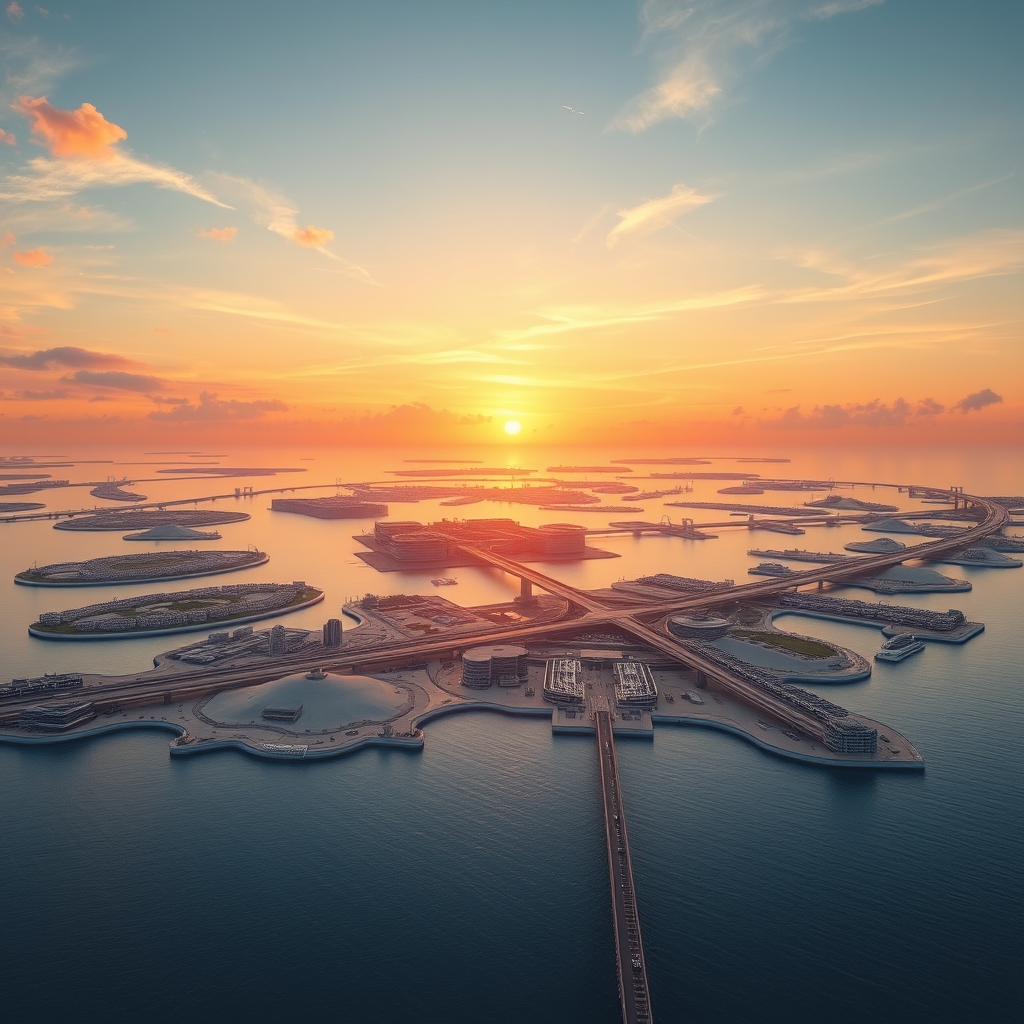
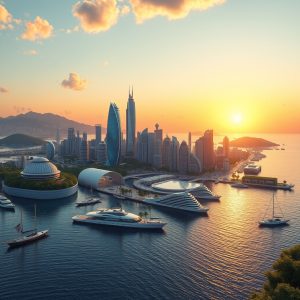
In the grand theater of human ambition, the stage is set against the vast, indifferent ocean. Here, a new form of urban expansion is taking place, one that challenges our understanding of land, space, and the very limits of human ingenuity. Artificial archipelagos, or man-made island groups, are being constructed at an unprecedented rate, promising a future where land is no longer a finite resource but an infinite canvas for human creativity.
The Promise of Infinite Space
Artificial archipelagos are not just about creating new land; they are about redefining the very concept of space. These archipelagos, often constructed using land reclamation techniques, are designed to provide a vast array of benefits, from increased housing and economic opportunities to enhanced coastal resilience. The promise is that these islands can be built anywhere, at any scale, and in any number, offering a solution to the global housing crisis and a new frontier for urban development.
The Techniques of Land Reclamation
Land reclamation is the backbone of artificial archipelagos. Techniques range from the simple dumping of sand and sediment to more complex methods involving dredging, the use of geotextiles, and even the construction of artificial reefs. These methods allow for the creation of stable, habitable land from the very depths of the ocean. However, the sustainability of these techniques is a subject of much debate, as they often come with significant environmental costs.
The Environmental Costs
The environmental impact of artificial archipelagos is a complex and often overlooked issue. The construction process can lead to the destruction of marine ecosystems, the displacement of wildlife, and the alteration of local weather patterns. Moreover, the long-term stability of these islands is a concern, as they are often built on unstable foundations and are vulnerable to erosion and sea level rise.
The Ethical Dilemmas
Beyond the environmental concerns, artificial archipelagos raise a host of ethical questions. Who has the right to create new land in the ocean? What are the implications for coastal communities and their traditional ways of life? And perhaps most importantly, what does the creation of these islands say about our relationship with the natural world?
The Geopolitical Implications
The construction of artificial archipelagos also has significant geopolitical implications. These islands can serve as strategic military bases, as economic hubs, or as symbols of national pride. The race to create the largest, most advanced archipelagos is not just a competition of technology and resources, but also a competition for power and influence.
The Economic Opportunities
From an economic perspective, artificial archipelagos offer a range of opportunities. They can serve as tourist destinations, as hubs for international trade, or as platforms for scientific research. The potential for economic growth is immense, but it comes with its own set of challenges, including the need for sustainable development and the management of resource scarcity.
The Future of Artificial Archipelagos
As the technology for land reclamation continues to advance, the construction of artificial archipelagos is likely to become even more prevalent. However, the future of these islands is not just about their physical construction, but also about their integration into the broader context of urban development, environmental sustainability, and geopolitical strategy. The challenge for humanity is to ensure that the promise of infinite space does not come at the cost of our natural world and our collective future.
The creation of artificial archipelagos is a testament to human ingenuity and ambition. However, it is also a reminder of the fragility of our relationship with the natural world. As we continue to push the boundaries of what is possible, we must also strive to ensure that our actions are guided by a deep respect for the environment and a commitment to sustainability. The future of artificial archipelagos will not just be about the islands themselves, but about the values and principles that underpin their creation and development.