The Silent Revolution: How Smart Glass and Energy-Efficient Design Are Redefining Commercial Property Construction
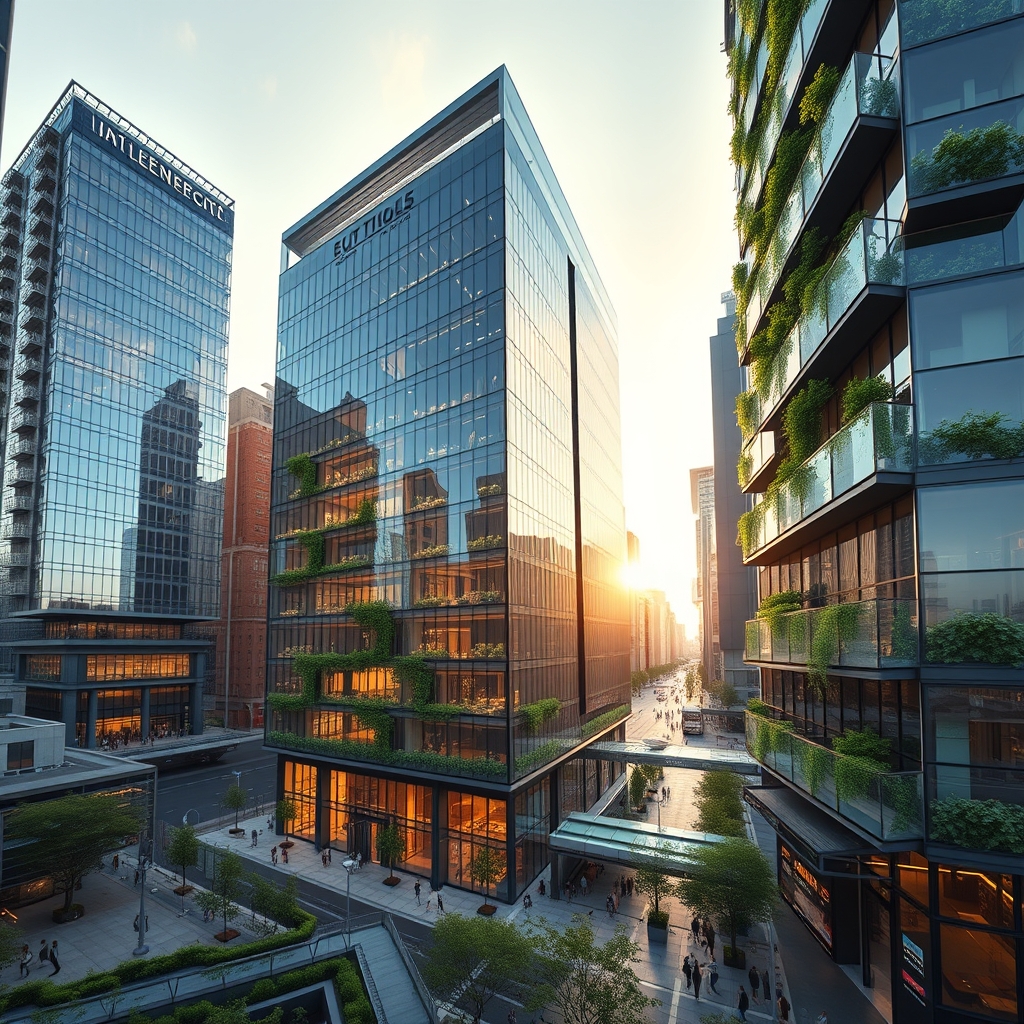
Commercial property construction is undergoing a quiet but profound transformation, driven by innovations that prioritize sustainability without compromising functionality or aesthetics. At the heart of this shift is the integration of smart glass and energy-efficient design, two technologies that are redefining how buildings interact with their environment. These advancements are not just about reducing carbon footprints; they are about creating spaces that adapt to human needs while minimizing resource consumption. As urbanization accelerates and climate concerns intensify, the demand for intelligent, eco-conscious commercial structures has never been more urgent.
The Rise of Smart Glass in Modern Architecture
Smart glass, also known as switchable glass, is a dynamic material that can alter its light transmission properties in response to external stimuli such as voltage, light, or heat. This technology allows windows and facades to transition from transparent to opaque, providing instant control over privacy, glare, and solar heat gain. In commercial properties, where large glass surfaces are often a design staple, smart glass offers a game-changing solution to the challenges of energy efficiency and occupant comfort.
One of the most compelling applications of smart glass is its ability to reduce reliance on artificial lighting and HVAC systems. By automatically adjusting its tint based on sunlight intensity, smart glass can significantly lower energy consumption—studies suggest reductions of up to 20% in cooling costs alone. Moreover, it enhances indoor environmental quality by mitigating glare and UV exposure, creating more comfortable workspaces that boost productivity and well-being. As businesses increasingly prioritize employee satisfaction and operational efficiency, smart glass is becoming a cornerstone of modern commercial design.
How Smart Glass Aligns with Green Building Certification
Green building certifications, such as LEED (Leadership in Energy and Environmental Design) and BREEAM (Building Research Establishment Environmental Assessment Method), have set rigorous standards for sustainable construction. Smart glass plays a pivotal role in meeting these benchmarks by contributing to several key criteria, including energy performance, indoor environmental quality, and innovation in design. For instance, LEED v4.1 awards points for advanced glazing systems that optimize daylighting while reducing solar heat gain, a category where smart glass excels.
Beyond certification, smart glass supports broader sustainability goals by reducing a building’s overall energy demand. This aligns with the growing emphasis on zero-carbon buildings, where every component is designed to minimize environmental impact. For developers and architects, integrating smart glass is not just a compliance strategy but a long-term investment in a building’s adaptability and resilience. As green building standards evolve, technologies like smart glass will continue to shape the future of commercial construction.
Energy-Efficient Design: Beyond the Basics
While smart glass is a standout innovation, it is just one piece of the energy-efficient design puzzle. Modern commercial properties are increasingly incorporating a holistic approach to sustainability, combining passive design strategies with cutting-edge technologies. Passive design elements, such as optimal building orientation, natural ventilation, and thermal mass, work in tandem with active systems like smart HVAC controls and renewable energy integration to create high-performance buildings.
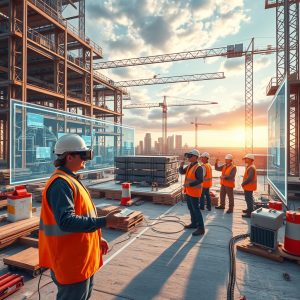
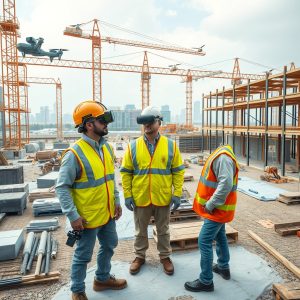
Building Information Modeling (BIM) has emerged as a critical tool in this process, enabling architects and engineers to simulate and optimize a building’s energy performance before construction begins. By leveraging BIM, designers can identify the most effective strategies for reducing energy consumption, whether through improved insulation, advanced glazing, or the integration of solar panels. This data-driven approach ensures that energy-efficient design is not an afterthought but a foundational principle of the construction process.
The Role of Advanced Building Materials
Energy-efficient design is also being propelled by the development of advanced building materials that enhance thermal performance and durability. Materials like aerogels, phase-change materials (PCMs), and high-performance insulation are revolutionizing the way commercial properties are constructed. Aerogels, for example, offer exceptional thermal resistance with minimal thickness, making them ideal for retrofitting older buildings or designing new structures with slim profiles. PCMs, on the other hand, absorb and release thermal energy to regulate indoor temperatures, reducing the need for mechanical heating and cooling.
These materials are not only improving energy efficiency but also contributing to the longevity of commercial properties. By reducing thermal bridging and moisture infiltration, they help prevent structural degradation, lowering maintenance costs and extending the lifespan of buildings. As the construction industry grapples with the challenges of climate change and resource scarcity, advanced materials are proving to be indispensable allies in the quest for sustainability.
Urban Infrastructure and the Future of Commercial Spaces
The evolution of commercial property construction is inextricably linked to broader trends in urban infrastructure. As cities expand and densify, the demand for mixed-use developments and flexible workspaces is reshaping the commercial real estate landscape. Smart glass and energy-efficient design are enabling these spaces to be more adaptable, responsive, and sustainable. For instance, smart glass partitions can transform open-plan offices into private meeting rooms at the touch of a button, while energy-efficient HVAC systems ensure optimal comfort without excessive energy use.
Urban infrastructure projects are also increasingly incorporating smart building technologies to create interconnected, resilient cityscapes. From intelligent lighting systems that adjust based on occupancy to IoT-enabled sensors that monitor air quality and energy use, these technologies are making commercial properties more efficient and user-friendly. The integration of smart glass into urban infrastructure extends beyond individual buildings, influencing the design of public spaces, transit hubs, and even entire districts. As cities strive to become smarter and more sustainable, commercial properties are playing a central role in this transformation.
The silent revolution in commercial property construction is not just about adopting new technologies; it is about reimagining the relationship between buildings and their occupants. Smart glass and energy-efficient design are not mere trends but fundamental shifts in how we conceive and construct the spaces where we work, shop, and gather. As these innovations become more accessible and refined, they will continue to set new standards for sustainability, comfort, and efficiency, ensuring that the commercial properties of tomorrow are as intelligent as they are inspiring. The buildings we create today will shape the urban landscapes of the future, and the choices we make now will determine whether those landscapes are resilient, adaptive, and truly sustainable.