The Mirage of Mastery: How Luxury Island Resorts Expose the Flaws in Blue Economy Infrastructure
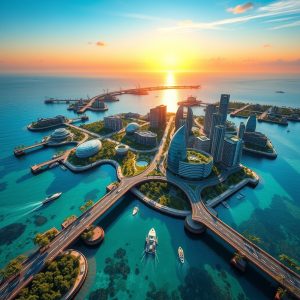
The allure of man-made islands has long captivated the imagination of developers, governments, and investors alike. These engineered paradises, often marketed as the pinnacle of human ingenuity, promise a harmonious blend of luxury, sustainability, and economic prosperity. Yet, beneath the glossy brochures and meticulously rendered architectural visuals, a far more complex and troubling reality emerges—one where the ambitions of waterfront urbanism collide with the harsh truths of coastal resilience and ecological stewardship. Luxury island resorts, in particular, serve as a microcosm of this tension, revealing the inherent contradictions in our approach to blue economy infrastructure.
The Illusion of Control
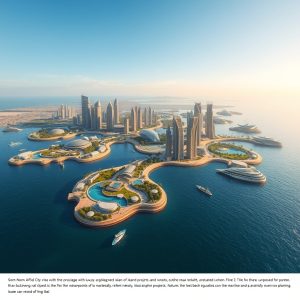
At first glance, luxury island resorts appear to be the epitome of controlled environments. Every aspect of their design, from the curvature of their beaches to the placement of their overwater villas, is meticulously planned to create an illusion of seamless integration with nature. Yet, this illusion is predicated on a fundamental misunderstanding: the belief that human engineering can fully dominate the forces of the ocean. The reality is far less forgiving. Storm surges, rising sea levels, and shifting sediment patterns do not adhere to the blueprints of coastal engineers. The Palm Jumeirah in Dubai, for instance, has faced persistent erosion issues, requiring continuous and costly interventions to maintain its iconic shape. Such projects underscore the fragility of our attempts to bend nature to our will, no matter how advanced our technology may be.
The Cost of Exclusivity
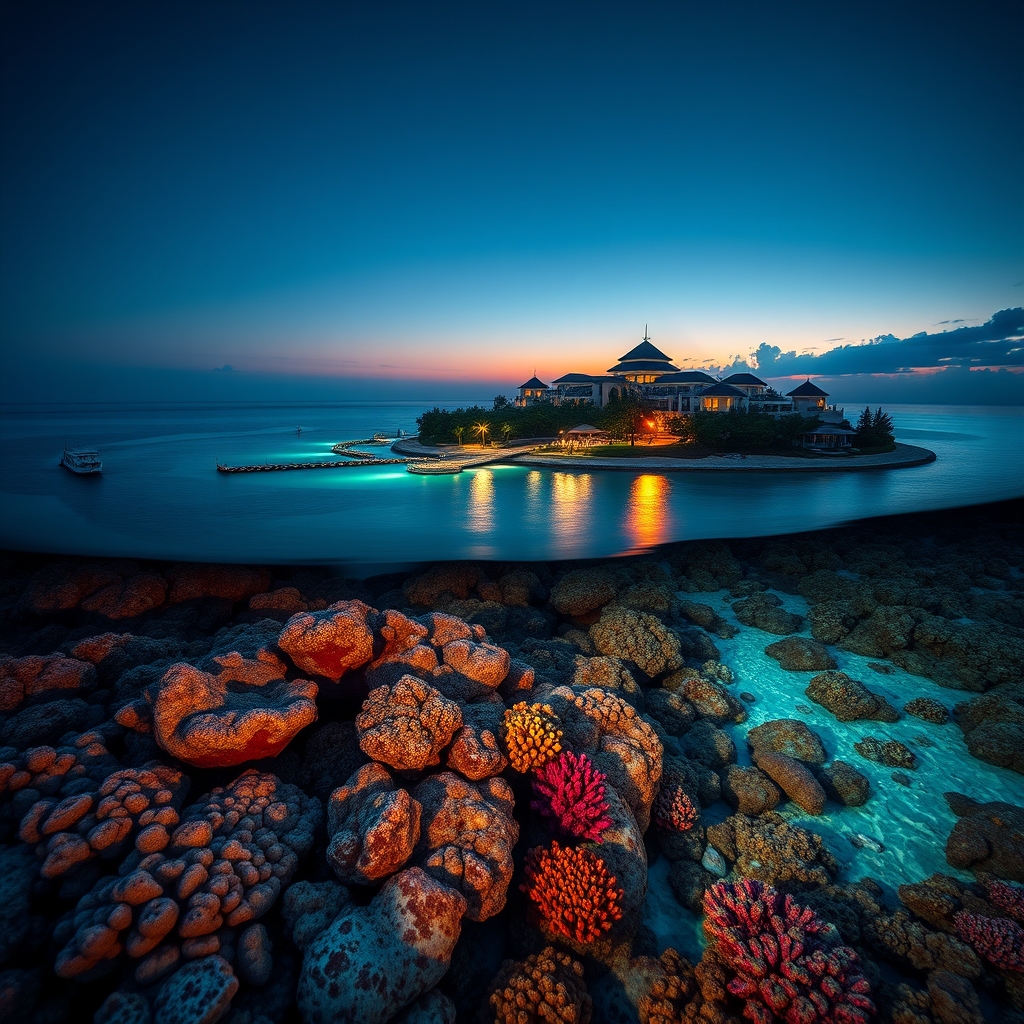
Luxury island resorts are, by definition, exclusive. They cater to a privileged few while often displacing or marginalizing local communities. This exclusivity extends beyond their guest lists and into their environmental and economic impacts. The construction of these resorts frequently involves dredging, land reclamation, and the disruption of marine ecosystems, all of which have far-reaching consequences for coastal resilience. In the Maldives, for example, the development of artificial islands for high-end tourism has led to the destruction of coral reefs, which act as natural barriers against erosion and storm surges. The irony is stark: the very projects designed to attract wealth and prestige are eroding the natural defenses that protect the broader region from the impacts of climate change.
The Myth of Sustainability
Sustainability is a buzzword often bandied about in the marketing of luxury island resorts. Developers tout eco-friendly designs, renewable energy sources, and carbon-neutral operations as proof of their commitment to the environment. Yet, these claims are frequently superficial, masking the deeper, systemic issues that plague such projects. The carbon footprint of constructing an artificial island—from the extraction of materials to the transportation of labor and equipment—is enormous. Moreover, the long-term maintenance of these resorts, including desalination plants, waste management systems, and coastal defenses, often relies on energy-intensive processes that further strain local resources. The result is a paradox: resorts that market themselves as sustainable are, in many cases, accelerating the environmental degradation they claim to mitigate.
The Blue Economy’s Blind Spot
The blue economy, a concept that envisions sustainable economic growth through the responsible use of ocean resources, has gained significant traction in recent years. However, luxury island resorts highlight a critical blind spot in this framework: the prioritization of short-term economic gains over long-term ecological and social resilience. These projects are often justified on the grounds of job creation and tourism revenue, yet the benefits are rarely distributed equitably. Local communities, who bear the brunt of environmental degradation, are often left with little more than low-wage service jobs and a degraded coastline. Meanwhile, the profits flow to distant investors and multinational corporations, perpetuating a cycle of exploitation that undermines the very principles of the blue economy.
Rethinking Maritime Urban Planning
The challenges posed by luxury island resorts are not insurmountable, but they require a fundamental shift in how we approach maritime urban planning. Rather than viewing the ocean as a blank canvas for human ambition, we must recognize it as a dynamic and interconnected system that demands respect and humility. This means prioritizing coastal resilience over short-term profits, investing in eco-friendly reclamation techniques, and ensuring that local communities have a meaningful stake in the development process. Projects like the Netherlands’ Sand Motor, which uses natural sediment deposition to reinforce coastlines, offer a glimpse of what this approach could look like. By working with, rather than against, the forces of nature, we can create waterfront developments that are both sustainable and equitable.
The Unseen Foundations
Beneath the surface of every luxury island resort lies a web of deep-sea foundations, legal frameworks, and economic dependencies that are rarely scrutinized. Submerged land rights, for instance, are a contentious issue in many regions, with governments and developers often clashing over ownership and usage rights. In the South China Sea, the construction of artificial islands has sparked geopolitical tensions, with nations staking competing claims to newly created land. These disputes highlight the need for clearer international regulations governing land augmentation and marine infrastructure, particularly as climate change intensifies competition for coastal resources.
The narrative of luxury island resorts as symbols of human achievement is a seductive one, but it is also a dangerous oversimplification. These projects expose the flaws in our approach to blue economy infrastructure, revealing a world where ambition frequently outpaces responsibility. The ocean is not a frontier to be conquered but a partner to be collaborated with, and our future on its shores depends on our ability to recognize this distinction. The choices we make today—whether in the design of a single resort or the planning of an entire archipelago—will determine whether we build a legacy of resilience or one of regret.