The Eco-Conscious Blueprint: Integrating Smart Technology and Sustainable Methods in Modern Construction
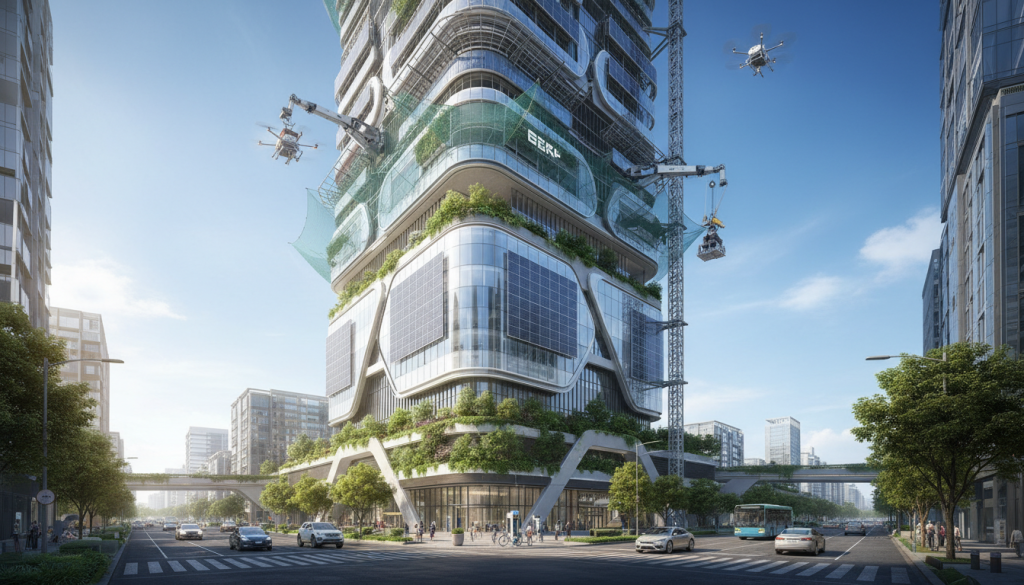
The construction industry, long a significant contributor to global resource consumption and carbon emissions, is undergoing a profound transformation. Driven by escalating environmental concerns, evolving regulatory landscapes, and a growing demand for healthier, more efficient living and working spaces, the focus is shifting decisively towards sustainable construction methods and the integration of smart building technology. This paradigm shift is not merely about adopting new materials; it’s a holistic reimagining of how we design, build, and operate our built environment, aiming for a future where ecological responsibility and technological innovation go hand in hand.
Embracing Green Building Certification and Energy Efficient Design
At the forefront of this movement are green building certification systems like LEED (Leadership in Energy and Environmental Design), BREEAM (Building Research Establishment Environmental Assessment Method), and Green Globes. These frameworks provide a standardized, third-party verification of a building’s environmental performance, encouraging developers and architects to prioritize energy efficiency, water conservation, responsible material sourcing, and improved indoor environmental quality. Energy efficient design is no longer a niche consideration but a core principle, encompassing strategies such as high-performance insulation, advanced window technologies (including smart glass), efficient HVAC systems, and the strategic use of natural light. The goal is to minimize the building’s operational carbon footprint, reducing energy consumption and utility costs over its lifespan, a critical step towards achieving zero carbon buildings.
Smart Building Technology: The Brains Behind the Brawn
Complementing sustainable design principles is the rapid advancement of smart building technology. Building Information Modeling (BIM) has revolutionized the design and construction process, enabling detailed 3D modeling that facilitates clash detection, improves project planning, and enhances collaboration among stakeholders. Beyond design, BIM models can be integrated with Building Management Systems (BMS) to create truly intelligent structures. IoT sensors embedded throughout a building can monitor everything from occupancy levels and air quality to energy usage and structural integrity. This data allows for dynamic adjustments to lighting, heating, and cooling, optimizing comfort while minimizing waste. Smart glass, for instance, can automatically adjust its tint based on sunlight intensity, reducing glare and heat gain, thereby decreasing reliance on artificial lighting and air conditioning. These technologies not only enhance occupant comfort and productivity but also provide invaluable data for ongoing building performance optimization and predictive maintenance, contributing to the efficiency of commercial property construction and residential building contractor operations.
Modular Construction Trends and Precast Concrete Solutions
The drive for efficiency and reduced waste is also fueling the rise of modular construction trends and precast concrete solutions. Modular construction involves fabricating building components or entire modules off-site in a controlled factory environment. This approach offers significant advantages, including faster construction times, improved quality control, reduced on-site disruption, and less material waste. Prefabricated home systems built using this methodology can be assembled rapidly on-site, offering a viable solution for low cost housing technology initiatives without compromising on quality or sustainability. Similarly, precast concrete elements, manufactured in a factory setting, provide consistent quality, durability, and can incorporate recycled materials. Their use in high rise construction and industrial property development allows for quicker erection times and greater design flexibility. These off-site construction methods are crucial for streamlining urban infrastructure projects and ensuring timely delivery.
Advanced Building Materials and Construction Site Safety
The innovation extends to the very materials used in construction. Advanced building materials are emerging that offer enhanced performance, reduced environmental impact, and improved durability. This includes self-healing concrete, recycled steel and plastics, sustainable timber, and advanced insulation materials. The development and adoption of these materials are intrinsically linked to construction site safety. Modern steel structures, for example, can be designed for rapid assembly, reducing the need for extensive on-site fabrication and the associated risks. Furthermore, the increased use of prefabricated elements in both modular and traditional construction minimizes the time workers spend in potentially hazardous on-site conditions. Technologies like drones and sensors are also being deployed for site monitoring, improving safety protocols and enabling proactive risk management, a key concern for any residential building contractor or commercial property construction firm.
The convergence of these trends – green building certifications, energy-efficient design, smart building technologies, modular construction, and advanced materials – paints a compelling picture of the future of construction. It’s a future where buildings are not just structures, but intelligent, responsive, and environmentally responsible ecosystems. This evolution is essential for addressing the urgent challenges of climate change and resource scarcity, while simultaneously creating healthier, more comfortable, and more cost-effective spaces for people to live and work. The ongoing commitment to innovation in eco friendly architecture and the meticulous planning inherent in Building Information Modeling will continue to shape skylines and communities for generations to come, ensuring that progress is measured not just by height or scale, but by its positive impact on our planet and its inhabitants.