Architecting Tomorrow: The Convergence of Smart Technology and Sustainable Construction
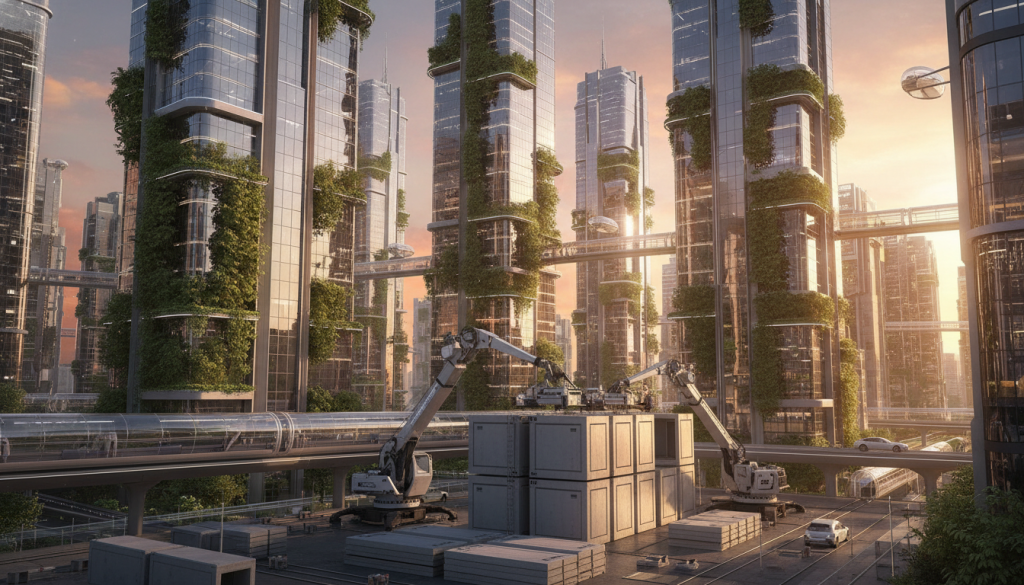
The urban skyline is undergoing a profound metamorphosis, shifting from a concrete jungle of passive structures into a dynamic, living ecosystem. For decades, the construction industry relied on traditional methods that, while effective for their time, often neglected long-term environmental impacts. Today, a new era is dawning, driven by an urgent need to address climate change and rapid urbanization. This transformation is not merely aesthetic; it is deeply rooted in how we conceptualize, design, and assemble the spaces where we live and work. By merging sustainable construction methods with cutting-edge digital innovations, architects and engineers are rewriting the rules of urban development, proving that ecological responsibility and architectural grandeur can seamlessly coexist.
At the heart of this architectural revolution is a fundamental shift in priorities. Developers are no longer solely focused on the immediate bottom line; they are increasingly considering the entire lifecycle of a structure. This holistic approach is essential as our cities expand and the demand for both commercial property construction and residential housing skyrockets. The integration of smart building technology and eco friendly architecture is setting a new baseline for the industry, transforming passive shelters into active participants in global energy conservation.
The Imperative of Zero Carbon Buildings
The push toward zero carbon buildings represents one of the most ambitious and necessary shifts in modern urban infrastructure projects. These structures are meticulously designed to generate as much renewable energy as they consume over a year, effectively neutralizing their carbon footprint. Achieving this monumental feat requires a symphony of energy efficient design principles, from maximizing natural light and optimizing thermal insulation to integrating solar panels directly into the building’s facade.
Navigating this transition is heavily guided by rigorous green building certification programs. These frameworks provide a vital roadmap for a residential building contractor or an industrial property developer to follow, ensuring that sustainability metrics are met at every phase. By adhering to these strict standards, developers not only contribute to a healthier planet but also significantly reduce long-term operational costs, making zero-carbon initiatives both an environmental and economic triumph.
Harnessing Advanced Building Materials
The foundation of any sustainable project relies heavily on the physical elements used to bring it to life. The adoption of advanced building materials is rapidly replacing resource-heavy traditional options. For instance, modern steel structure frameworks are now being fabricated using recycled materials, offering unparalleled strength and flexibility while minimizing environmental degradation. Similarly, precast concrete solutions are revolutionizing high rise construction. By casting concrete in a controlled factory environment, builders can drastically reduce material waste, ensure higher quality control, and expedite the on-site assembly process.
Another groundbreaking innovation transforming both aesthetics and functionality is smart glass installation. This dynamic glazing technology can automatically adjust its tint based on the sun’s intensity, significantly reducing the need for artificial lighting and heavy air conditioning. When combined with eco friendly architecture, these intelligent materials create interior environments that actively respond to external climatic conditions, maximizing occupant comfort while minimizing energy consumption.
Redefining Efficiency with Modular Construction Trends
Time is a critical resource in development, and modular construction trends are proving that speed does not have to come at the expense of sustainability or quality. By shifting the bulk of the building process to off-site manufacturing facilities, developers can construct entire rooms or sections—complete with plumbing and electrical wiring—before transporting them to the final location. This method drastically reduces noise pollution, site disruption, and material waste, making it a cornerstone of sustainable construction methods.
These prefabricated home systems are particularly transformative in the realm of low cost housing technology. As urban populations swell, the demand for affordable, high-quality living spaces has never been greater. Modular techniques allow for the rapid deployment of residential units without compromising structural integrity or energy efficiency. Whether applied to sprawling suburban developments or dense urban infill projects, off-site construction is democratizing access to modern, sustainable housing.
The Digital Backbone: Building Information Modeling
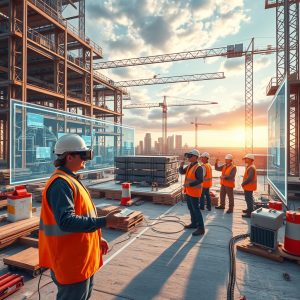
None of these physical advancements would reach their full potential without the digital frameworks orchestrating them. Building Information Modeling (BIM) has emerged as the central nervous system of modern construction. Unlike traditional two-dimensional blueprints, BIM offers a highly detailed, interactive three-dimensional representation of a building’s physical and functional characteristics. This technology allows architects, engineers, and contractors to collaborate in real-time, identifying potential clashes and optimizing resource allocation long before the first shovel hits the dirt.
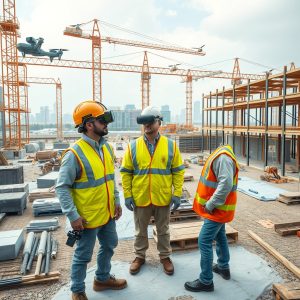
Beyond design optimization, BIM plays a crucial role in construction site safety. By simulating the construction process virtually, project managers can anticipate hazardous scenarios and implement preventative measures, ensuring the well-being of the workforce. Furthermore, once the building is operational, the BIM model transitions into a comprehensive facility management tool, seamlessly integrating with smart building technology to monitor energy usage, schedule predictive maintenance, and ensure the structure operates at peak efficiency throughout its lifespan.
As we look toward the horizon, the silhouettes of our cities will increasingly reflect our commitment to innovation and environmental stewardship. The fusion of intelligent digital systems, off-site manufacturing, and regenerative materials is forging a built environment that actively heals rather than harms. Every new high-rise, residential complex, and industrial facility stands as an opportunity to push the boundaries of what is possible. By embracing these transformative practices, the architecture of tomorrow will not only shelter its inhabitants but also sustain the very planet they call home.