The Future of Urban Living: Sustainable Land Reclamation and Marine Infrastructure
In the face of rising sea levels and the ever-increasing demand for urban space, sustainable land reclamation and marine infrastructure have emerged as critical strategies for coastal resilience and urban expansion. This article delves into the complexities and innovations of these practices, exploring their potential to shape the future of urban living.
Understanding Sustainable Land Reclamation
Sustainable land reclamation involves the creation of new land from the sea or other bodies of water in an environmentally responsible manner. Unlike traditional reclamation methods that often result in significant ecological damage, sustainable approaches prioritize the preservation of marine ecosystems and the long-term viability of the reclaimed land.
Eco-Friendly Reclamation Techniques
One of the key aspects of sustainable land reclamation is the use of eco-friendly techniques. These include the use of natural materials for land augmentation, such as sand and soil, and the implementation of deep sea foundations that minimize disruption to the seabed. Additionally, the integration of green spaces and the preservation of natural habitats are essential components of these projects.
Coastal Engineering and Smart Marine Cities
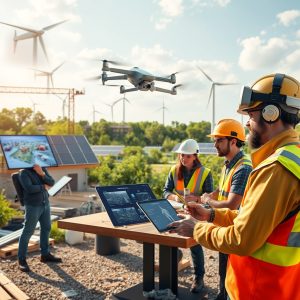
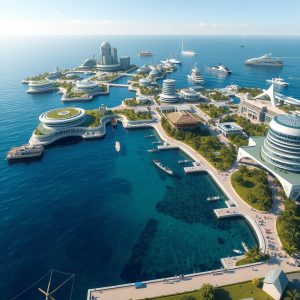
Coastal engineering plays a pivotal role in the development of smart marine cities. These cities are designed to be resilient to the impacts of climate change, including sea level rise and storm surges. By employing advanced technologies and innovative design principles, coastal engineers can create urban environments that are both sustainable and livable.
Artificial Archipelagos and Luxury Island Resorts
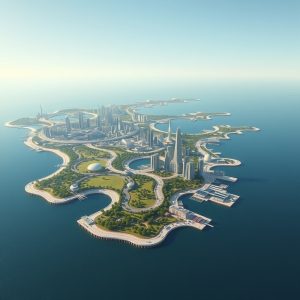
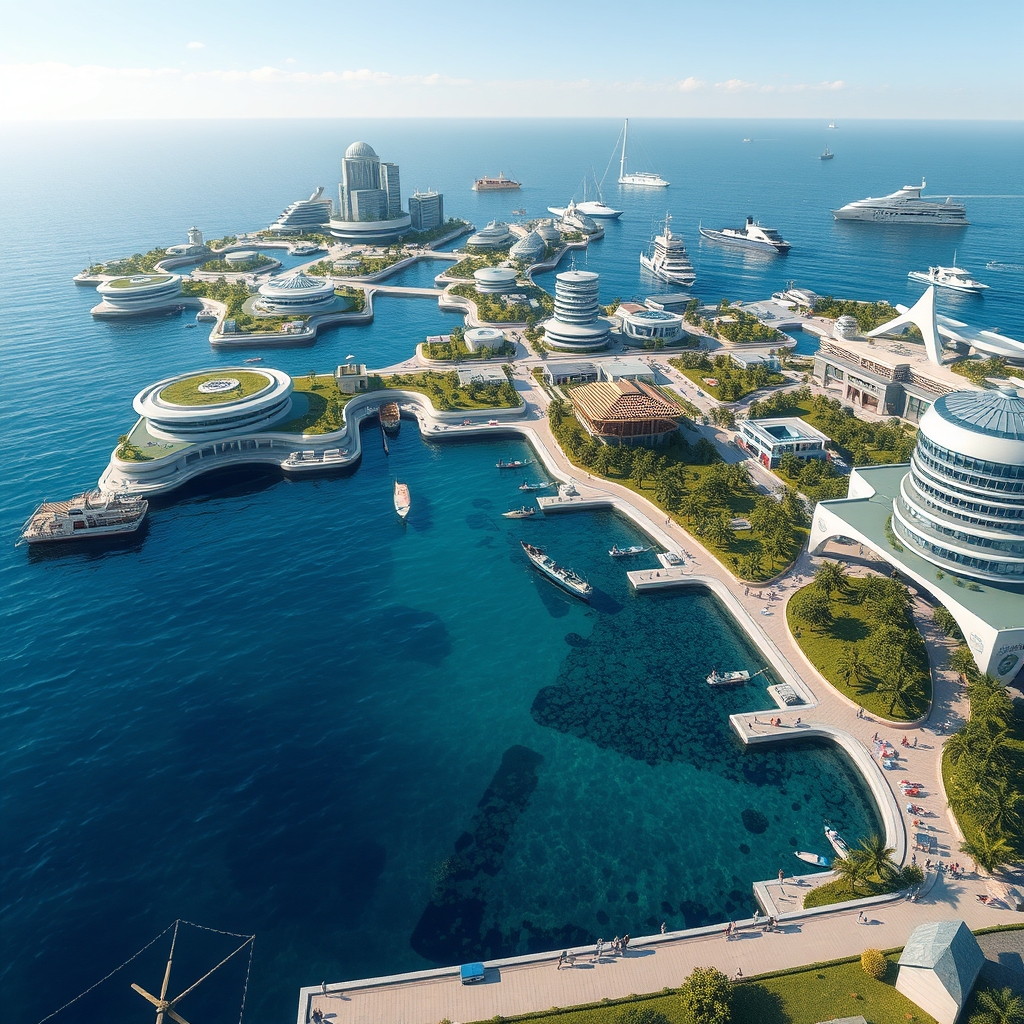
Artificial archipelagos and luxury island resorts represent some of the most ambitious and high-profile examples of sustainable land reclamation. These projects often involve the creation of man-made islands that serve as exclusive residential and tourist destinations. While these developments can be controversial due to their environmental impact, they also offer opportunities for economic growth and the preservation of coastal ecosystems.
Floating Real Estate and Urban Expansion
Floating real estate is another innovative approach to urban expansion. By building on floating platforms, developers can create new living and working spaces that are not constrained by the limitations of traditional land-based construction. This approach is particularly useful in areas where land is scarce or where the risk of flooding is high.
Maritime Urban Planning and Coastal Resilience
Maritime urban planning is essential for ensuring the resilience of coastal communities. This involves the integration of marine infrastructure, such as seawalls and breakwaters, with urban design principles that prioritize sustainability and adaptability. By taking a holistic approach to coastal development, planners can create cities that are better equipped to withstand the challenges of a changing climate.
In conclusion, sustainable land reclamation and marine infrastructure offer promising solutions to the challenges of urban expansion and coastal resilience. By embracing eco-friendly techniques, advanced technologies, and innovative design principles, we can create urban environments that are both sustainable and livable. As we continue to grapple with the impacts of climate change, it is crucial that we invest in these strategies to ensure the long-term viability of our coastal communities.