Revolutionizing Construction: The Power of Lean Practices and Digital Twins
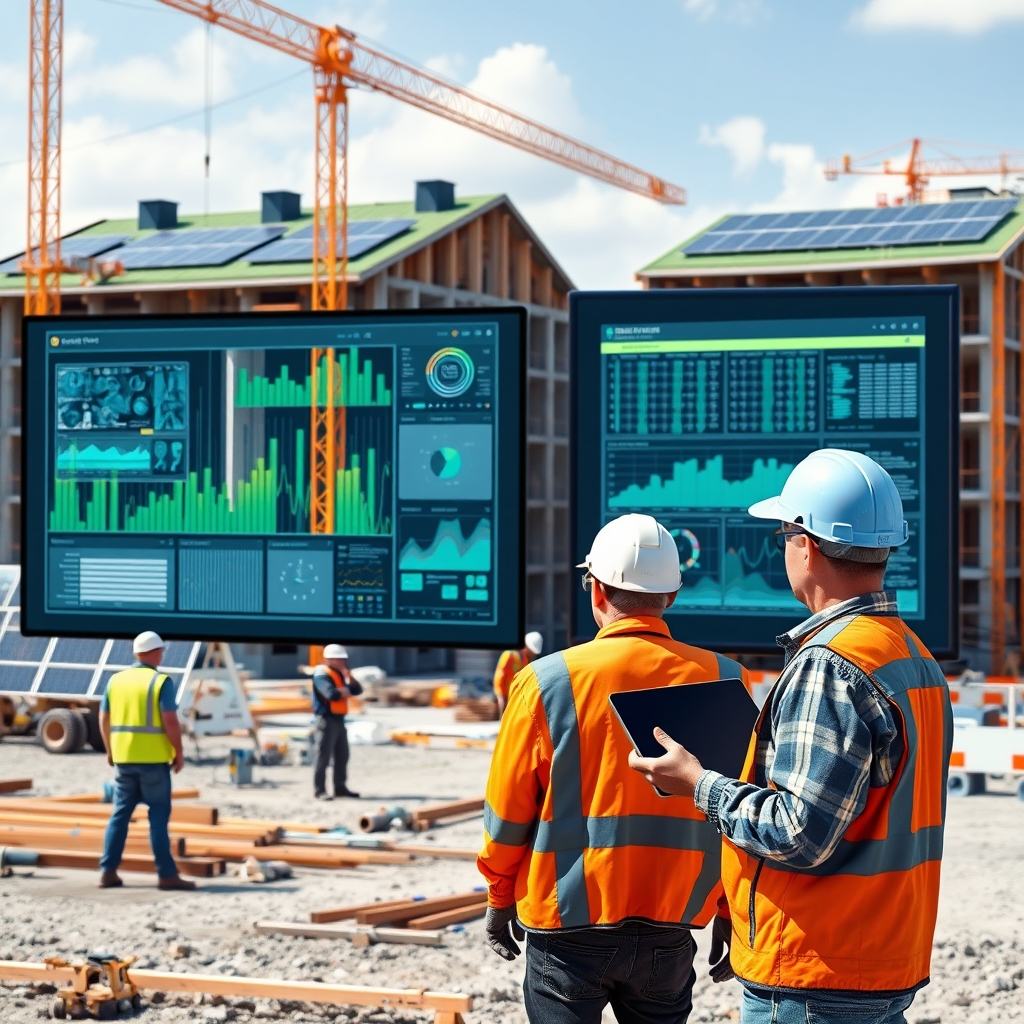
The construction industry is on the cusp of a transformative era, driven by the integration of lean practices and digital twin technology. These innovations are not just enhancing efficiency and sustainability but are also redefining the very essence of construction workflows.
Lean Construction Practices
Lean construction is a methodology that focuses on maximizing value and minimizing waste. By streamlining processes and eliminating unnecessary steps, lean practices ensure that resources are used efficiently. This approach not only reduces costs but also accelerates project timelines, making it a win-win for both contractors and clients.
Improving Efficiency
One of the core principles of lean construction is the elimination of waste. This includes waste of time, materials, and effort. By adopting lean practices, construction companies can significantly improve their operational efficiency. For instance, just-in-time delivery of materials ensures that resources are available exactly when needed, reducing storage costs and the risk of material degradation.
Enhancing Quality
Lean construction also emphasizes the importance of quality. By focusing on continuous improvement and error-proofing, construction teams can deliver projects that meet or exceed client expectations. This commitment to quality not only enhances the reputation of the construction company but also ensures client satisfaction and repeat business.
Digital Twin Technology
Digital twin technology is another game-changer in the construction industry. A digital twin is a virtual replica of a physical asset, process, or system. By creating a digital twin of a construction site, project managers can monitor and optimize operations in real-time, leading to better decision-making and improved outcomes.
Real-Time Monitoring
One of the key benefits of digital twin technology is real-time monitoring. By integrating sensors and IoT devices into the construction site, project managers can gather data on various parameters such as temperature, humidity, and structural integrity. This data can be analyzed in real-time to identify potential issues and take corrective actions before they escalate.
Predictive Maintenance
Digital twins also enable predictive maintenance. By analyzing historical data and current conditions, project managers can predict when equipment is likely to fail and schedule maintenance accordingly. This proactive approach not only reduces downtime but also extends the lifespan of equipment, leading to cost savings.
Integrating Lean Practices and Digital Twins
The integration of lean practices and digital twin technology is creating a new paradigm in construction. By combining the efficiency of lean practices with the real-time monitoring capabilities of digital twins, construction companies can achieve unprecedented levels of productivity and sustainability.
For example, lean practices can help optimize the supply chain, ensuring that materials are delivered just in time. Digital twins can then monitor the delivery process, providing real-time updates on the status of materials and alerting project managers to any delays or issues. This seamless integration ensures that projects are completed on time and within budget, while also minimizing waste and environmental impact.
In conclusion, the future of construction lies in the integration of lean practices and digital twin technology. By embracing these innovations, construction companies can revolutionize their operations, delivering projects that are not only efficient and sustainable but also meet the highest standards of quality and client satisfaction. The construction industry is poised for a transformative era, and those who embrace these changes will be at the forefront of this revolution.