
The Rise of Co-Living Spaces: A New Trend in Urban Living
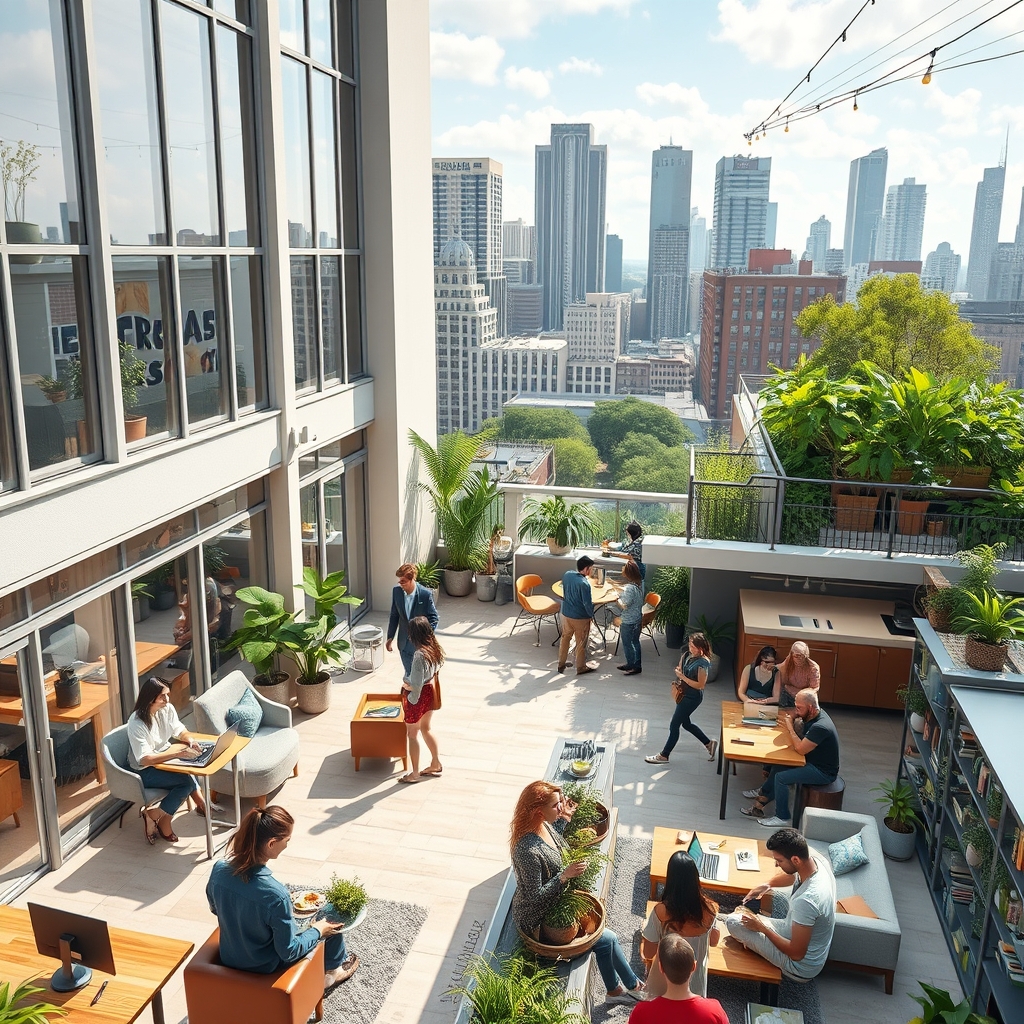
In the heart of bustling metropolises, where the cost of living continues to soar and personal spaces shrink, a new residential trend is taking root. Co-living spaces, once a niche concept, are now emerging as a mainstream solution for urban dwellers seeking affordability, community, and convenience. This shift is not just a fleeting trend but a response to the evolving needs of modern city life, particularly among young professionals, digital nomads, and students who prioritize flexibility and social connections over traditional homeownership.
The Co-Living Phenomenon: More Than Just Shared Housing
Co-living spaces are designed to offer more than just a roof over one’s head. They are thoughtfully curated environments that blend private living quarters with shared communal areas, fostering a sense of community and collaboration. Unlike traditional roommate situations, co-living spaces are professionally managed, often including amenities such as high-speed internet, cleaning services, and social events. This model appeals to those who value experiences and connections as much as they do their personal space.
At its core, co-living is about redefining the concept of home. It challenges the notion that living alone or with family is the only path to comfort and stability. Instead, it offers an alternative where residents can enjoy the benefits of a supportive community without sacrificing their independence. This balance is particularly attractive in cities where isolation and loneliness can be as pervasive as the urban sprawl itself.
Why Co-Living is Gaining Traction
The rise of co-living can be attributed to several key factors. First and foremost is the affordability crisis in major cities. With housing prices and rents reaching unprecedented levels, many urban residents are priced out of the traditional housing market. Co-living provides a more cost-effective alternative, allowing individuals to live in desirable neighborhoods without the financial burden of a full-sized apartment.
Second, the modern workforce is increasingly mobile and remote. Digital nomads, freelancers, and young professionals often move frequently for work or personal growth. Co-living spaces cater to this transient lifestyle by offering flexible lease terms, often on a month-to-month basis, which is a stark contrast to the rigid, long-term commitments required by conventional leases.
Lastly, the desire for community and social interaction is a driving force behind the co-living movement. In an era where digital connections often replace face-to-face interactions, co-living spaces provide an antidote to loneliness. They create opportunities for residents to bond over shared interests, whether through organized events, communal kitchens, or co-working spaces within the building. This sense of belonging is a powerful draw for those who feel disconnected in the fast-paced urban environment.
Target Demographics: Who is Embracing Co-Living?
While co-living appeals to a broad audience, certain demographics are particularly drawn to this lifestyle. Young professionals in their 20s and 30s, often referred to as millennials and Gen Z, form the largest segment of co-living residents. These groups prioritize experiences over possessions and value the flexibility and social aspects of co-living. They are also more likely to embrace minimalism, making the smaller private spaces in co-living units less of a compromise and more of a conscious choice.
Digital nomads, who work remotely while traveling, are another key demographic. For them, co-living spaces offer a ready-made community and a home base in new cities. The ability to connect with like-minded individuals and access reliable amenities makes co-living an ideal solution for those who are constantly on the move.
Students, particularly those studying abroad or in expensive urban areas, are also turning to co-living as a practical housing option. The affordability and built-in social network provide a supportive environment that can ease the transition to a new city or country. Additionally, older adults, including retirees, are beginning to explore co-living as a way to downsize while maintaining an active social life.
The Impact on Urban Development
The growing popularity of co-living is reshaping the residential property development landscape in major cities. Developers are increasingly recognizing the potential of co-living as a lucrative investment, leading to a surge in purpose-built co-living buildings. These developments are often located in prime urban areas, close to public transportation, cultural hubs, and business districts, making them highly desirable for residents.
Architects and designers are also rethinking how living spaces are structured. Co-living buildings prioritize communal areas, such as lounges, rooftop gardens, and co-working spaces, over large private units. This shift reflects a broader cultural movement toward shared economies and sustainable living. By maximizing the use of space and resources, co-living developments can reduce the environmental footprint of urban housing, aligning with the values of eco-conscious residents.
Moreover, co-living is influencing the way cities approach housing policy. As demand for affordable and flexible housing options grows, local governments are beginning to explore regulatory frameworks that support co-living developments. This includes zoning changes, tax incentives, and partnerships with private developers to create more inclusive housing solutions. The goal is to ensure that co-living remains accessible to a diverse range of residents, not just the affluent.
Challenges and Considerations
Despite its many benefits, co-living is not without its challenges. Privacy concerns are often at the forefront, as residents must balance their need for personal space with the communal nature of the living arrangement. Noise, shared responsibilities, and differing lifestyles can also lead to conflicts if not managed properly. To address these issues, co-living operators invest in thoughtful design, clear house rules, and community managers who facilitate harmonious living.
Another consideration is the potential for co-living to exacerbate gentrification in urban neighborhoods. As co-living developments attract higher-income residents, there is a risk of displacing long-term, lower-income residents. To mitigate this, some co-living operators are partnering with affordable housing initiatives to ensure their developments serve a broader demographic.
Finally, the long-term sustainability of co-living remains a question. While the model has proven successful in major cities, its viability in smaller towns or less densely populated areas is still uncertain. As the trend continues to evolve, it will be important to monitor its impact on housing markets and urban communities.
As cities continue to grow and evolve, so too will the ways in which we live within them. Co-living spaces represent a bold reimagining of urban living, one that prioritizes community, flexibility, and sustainability. Whether this trend becomes a permanent fixture or a stepping stone to even more innovative housing solutions, it undeniably reflects a shift in how we define home in the 21st century. The walls between us may be shrinking, but the connections we forge within them are growing stronger than ever.