Revolutionizing Construction: The Intersection of Technology and Sustainability
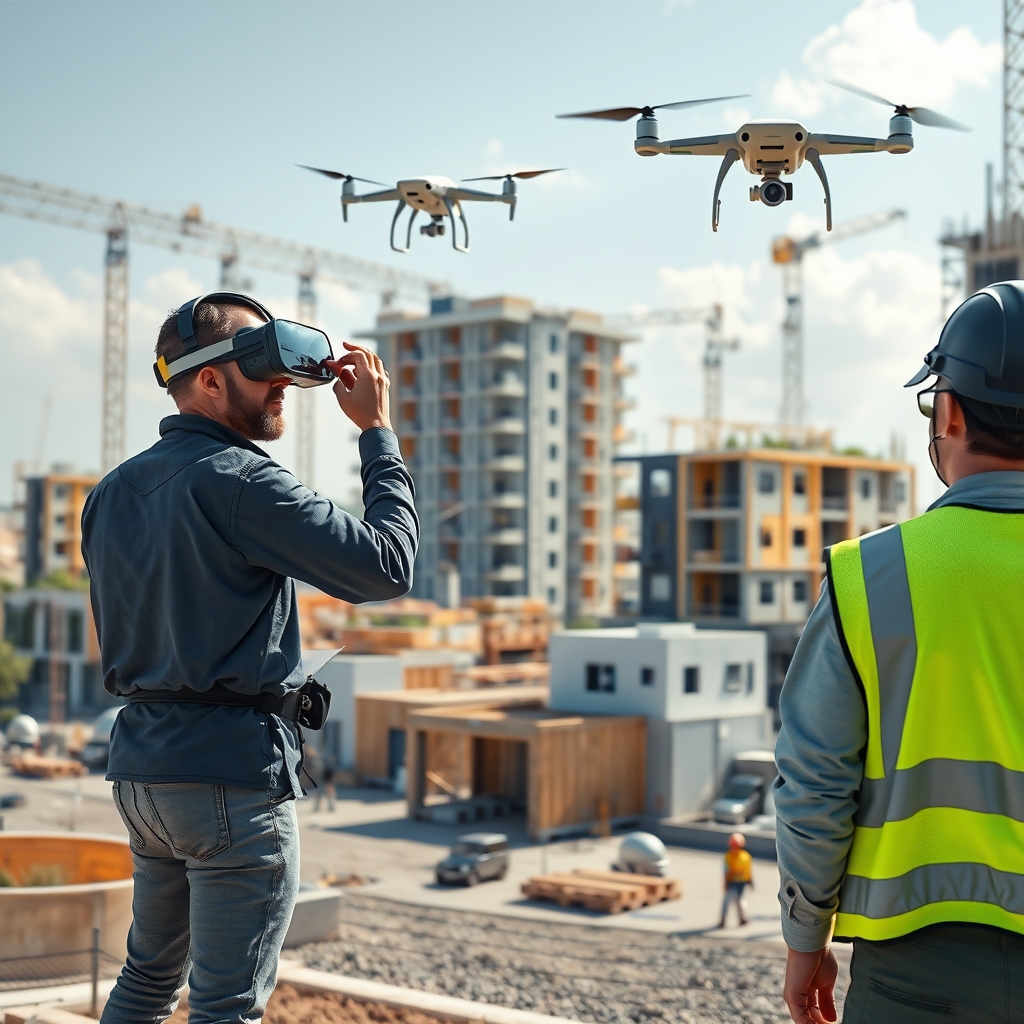
In the ever-evolving world of construction, the integration of technology and sustainability has become a game-changer. This intersection is not just about building structures; it’s about creating smart, eco-friendly spaces that prioritize human well-being. By adopting immersive construction planning, digital twin site management, and lean construction practices, the industry is witnessing a transformative shift.
Immersive Construction Planning
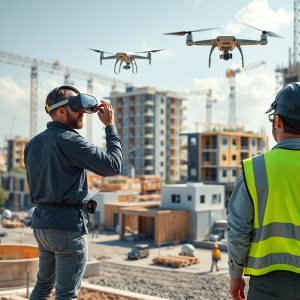
Immersive construction planning leverages virtual reality (VR) and augmented reality (AR) to provide a detailed, interactive model of the construction site. This technology allows stakeholders to visualize the project in a 3D environment, identifying potential issues before they arise. By immersing themselves in the virtual site, architects, engineers, and clients can make informed decisions, reducing errors and enhancing efficiency.
Digital Twin Site Management
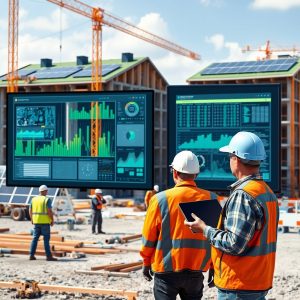
Digital twin technology creates a virtual replica of the physical construction site. This twin is updated in real-time, reflecting any changes or developments on the site. By monitoring the digital twin, project managers can track progress, manage resources, and ensure that the project stays on schedule and within budget. This real-time transparency fosters better communication and collaboration among team members.
Lean Construction Practices
Lean construction practices focus on eliminating waste and maximizing value. By streamlining processes and optimizing resource allocation, lean practices ensure that every aspect of the construction project is efficient and cost-effective. This approach not only reduces waste but also enhances the quality of the final product, making it more sustainable and durable.
Collaborative Building Design
Collaborative building design involves the active participation of all stakeholders in the design process. By fostering a collaborative environment, the design team can incorporate diverse perspectives and expertise, leading to more innovative and sustainable solutions. This collaborative approach ensures that the final design meets the needs and expectations of all parties involved.
Experiential Construction Workflow
Experiential construction workflows prioritize the human element in the construction process. By focusing on the experiences of workers, clients, and end-users, these workflows create a more humane and efficient construction environment. This approach not only improves the quality of the final product but also enhances the overall well-being of those involved in the project.
Smart Site Monitoring
Smart site monitoring uses IoT (Internet of Things) devices to collect data from the construction site. This data is then analyzed to provide insights into various aspects of the project, such as resource usage, worker productivity, and environmental impact. By leveraging smart monitoring, project managers can make data-driven decisions, optimizing the construction process and reducing waste.
Human-Centric Structural Design
Human-centric structural design focuses on creating spaces that prioritize the well-being and comfort of the people who will use them. By incorporating elements such as natural light, ventilation, and ergonomic design, these structures enhance the quality of life for their occupants. This approach not only creates more livable spaces but also contributes to the overall sustainability of the project.
Eco-Friendly Material Selection
Eco-friendly material selection is a crucial aspect of sustainable construction. By choosing materials that are renewable, recyclable, and non-toxic, construction projects can significantly reduce their environmental impact. This approach not only benefits the environment but also enhances the durability and quality of the final product.
Real-Time Project Transparency
Real-time project transparency ensures that all stakeholders are kept informed about the progress and status of the construction project. By providing up-to-date information, project managers can foster better communication and collaboration, reducing the risk of delays and cost overruns. This transparency also builds trust and confidence among stakeholders, ensuring a smoother and more efficient construction process.
Automated Building Processes
Automated building processes use robotics and AI (Artificial Intelligence) to streamline various aspects of the construction project. By automating tasks such as material handling, site preparation, and quality control, these processes enhance efficiency and reduce the risk of human error. This automation not only speeds up the construction process but also improves the quality and sustainability of the final product.
Adaptive Construction Solutions
Adaptive construction solutions focus on creating flexible and resilient structures that can adapt to changing needs and conditions. By incorporating elements such as modular design and smart technology, these solutions ensure that the final product is durable and adaptable. This approach not only enhances the longevity of the structure but also contributes to its overall sustainability.
Tech-Integrated Site Supervision
Tech-integrated site supervision uses advanced technology to monitor and manage the construction site. By leveraging tools such as drones, sensors, and AI, site supervisors can ensure that the project stays on track and meets quality standards. This integration not only enhances efficiency but also improves the overall safety and sustainability of the construction process.
Precision Engineering Methods
Precision engineering methods focus on creating accurate and detailed designs that can be easily replicated on the construction site. By using advanced software and tools, engineers can ensure that every aspect of the project is precise and efficient. This precision not only enhances the quality of the final product but also contributes to its overall sustainability.
Efficient Resource Allocation
Efficient resource allocation ensures that all resources, including materials, labor, and equipment, are used optimally. By carefully planning and managing these resources, construction projects can reduce waste and enhance efficiency. This approach not only saves costs but also contributes to the overall sustainability of the project.
Modular Building Techniques
Modular building techniques involve constructing buildings using prefabricated modules that are assembled on-site. This approach not only speeds up the construction process but also reduces waste and enhances efficiency. By using modular techniques, construction projects can create more sustainable and durable structures.
Quality-Focused Construction
Quality-focused construction prioritizes the quality of the final product above all else. By implementing rigorous quality control measures, construction projects can ensure that every aspect of the structure meets the highest standards. This focus on quality not only enhances the durability and sustainability of the final product but also contributes to its overall value.
Client Participatory Building
Client participatory building involves the active participation of clients in the construction process. By involving clients in decision-making and design, construction projects can ensure that the final product meets their needs and expectations. This participatory approach not only enhances the quality of the final product but also contributes to its overall sustainability.
The future of construction lies at the intersection of technology and sustainability. By embracing immersive construction planning, digital twin site management, and lean construction practices, the industry is crafting smarter, greener, and more human-centric sites. These advancements not only enhance the efficiency and quality of construction projects but also contribute to a more sustainable and resilient built environment. As we continue to innovate and adapt, the possibilities for creating better, more livable spaces are endless.