The Blue Economy’s Double-Edged Sword: Balancing Growth and Sustainability in Marine Infrastructure
In the relentless pursuit of urban expansion and economic growth, the concept of sustainable land reclamation has emerged as a double-edged sword. While it promises to alleviate land scarcity and drive economic development, it also poses significant environmental and ethical challenges. This article delves into the intricacies of sustainable land reclamation, exploring how it intersects with the blue economy, coastal resilience, and urban expansion.
Understanding Sustainable Land Reclamation
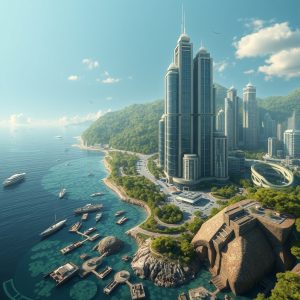
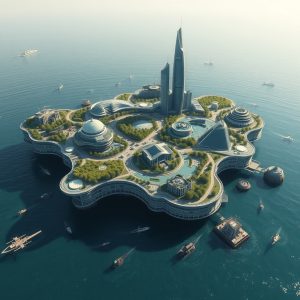
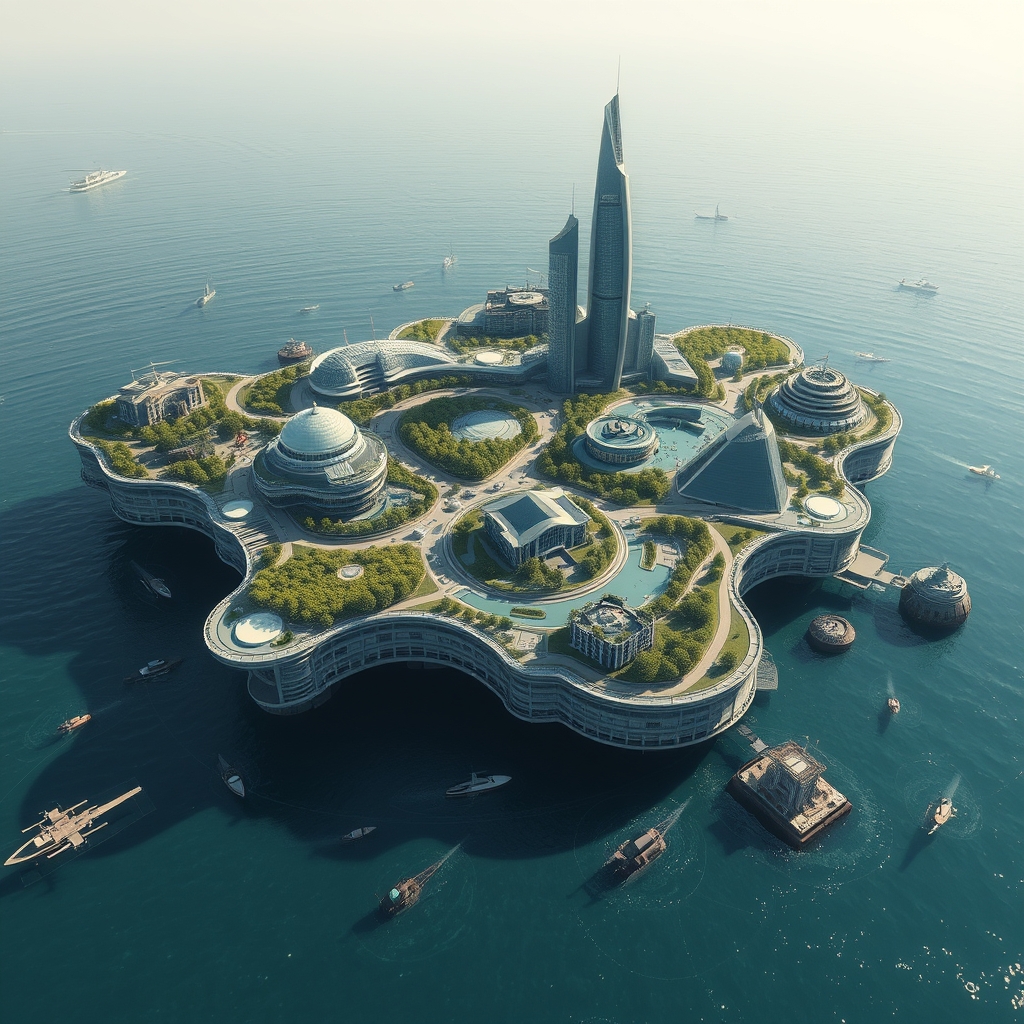
Sustainable land reclamation involves the creation of new land from bodies of water, typically through the deposition of sediment or the construction of artificial structures. This process is often driven by the need for urban expansion, the development of luxury island resorts, and the creation of smart marine cities. However, the environmental impact of such projects cannot be overlooked.
Environmental Impacts
The environmental consequences of land reclamation are multifaceted. One of the primary concerns is the disruption of marine ecosystems. The deposition of sediment can smother coral reefs and other sensitive habitats, leading to a loss of biodiversity. Additionally, the construction of artificial structures can alter water currents and sediment transport, further exacerbating ecological damage.
Another critical issue is the impact on coastal resilience. Land reclamation can weaken natural defenses against storms and sea-level rise, making coastal communities more vulnerable to natural disasters. This is particularly concerning in the context of climate change, where the frequency and intensity of extreme weather events are expected to increase.
Economic and Social Considerations
From an economic perspective, land reclamation can be a lucrative venture. The development of luxury island resorts and floating real estate can generate significant revenue and create jobs. However, these benefits must be weighed against the long-term environmental costs. Moreover, the social implications of land reclamation are often overlooked. Displacement of local communities, changes in traditional livelihoods, and the potential for social unrest are all factors that must be considered.
The Blue Economy and Land Reclamation
The blue economy, which encompasses all economic activities related to the oceans and seas, is closely linked to land reclamation. The development of marine infrastructure, such as ports, offshore wind farms, and underwater data centers, often relies on reclaimed land. However, the blue economy’s potential for sustainable growth is contingent on balancing economic development with environmental stewardship.
One of the key challenges is ensuring that land reclamation projects are designed and implemented in an eco-friendly manner. This includes using sustainable materials, minimizing sediment disturbance, and incorporating green spaces into the design. Additionally, it is crucial to engage with local communities and stakeholders to ensure that their needs and concerns are addressed.
Coastal Resilience and Urban Expansion
Coastal resilience is a critical consideration in the context of land reclamation and urban expansion. As sea levels rise and storms become more frequent, coastal cities must adapt to these changing conditions. Land reclamation can play a role in this adaptation, but it must be done in a way that enhances, rather than compromises, coastal resilience.
One approach is to integrate natural infrastructure, such as mangroves and wetlands, into reclamation projects. These natural systems can provide valuable ecosystem services, such as storm protection and water purification, while also supporting biodiversity. Additionally, the use of innovative engineering techniques, such as floating structures and submerged land rights, can help to mitigate the environmental impact of land reclamation.
In conclusion, sustainable land reclamation is a complex and multifaceted issue that requires careful consideration of environmental, economic, and social factors. While it offers potential benefits in terms of urban expansion and economic growth, it also poses significant challenges that must be addressed. By adopting an integrated and holistic approach, it is possible to balance the needs of development with the imperative of environmental stewardship. This will ensure that land reclamation projects contribute to the creation of resilient, sustainable, and equitable coastal cities.